
Skin Cancer Prevention: Expert Skincare Advice from Dr. Naomi Mackle
Skin cancer is one of the most common—and preventable—forms of cancer worldwide. Yet despite growing awareness, rates continue to rise, particularly in fair-skinned populations and those with significant UV exposure histories.
Prevention is not a single action; it is a consistent, lifelong approach that combines skincare, behavioral habits, and medical vigilance.
From Personal Experience to Professional Expertise
Few understand this more deeply than Dr. Naomi Mackle, a dermatology specialist practicing at the Adare Clinics in Ireland and Adare Dermatology Clinic in London.

With an MSc in dermatology–preventive oncology from the University of Graz and membership in the International Dermoscopy Society, she has dedicated her career to the early detection and prevention of skin cancer.
But her commitment is also deeply personal.
Having lived in Queensland—often called the "melanoma capital of the world"—and worked in a tanning salon during her youth, Dr. Mackle experienced firsthand the cultural normalization of UV exposure. After developing skin cancer herself, her perspective shifted entirely. Today, she focuses on more than just treatment; she focuses on prevention for herself, her patients, and the wider public.
Understanding the Real Risk
Skin cancer, particularly melanoma, is strongly linked to ultraviolet (UV) radiation exposure. This includes both UVA and UVB rays, which contribute to DNA damage, premature aging, and carcinogenesis.
Who is at Higher Risk?
While everyone should be cautious, certain individuals face significantly higher risks:
-
Fitzpatrick Skin Type I: Very fair skin that burns easily and rarely tans.
-
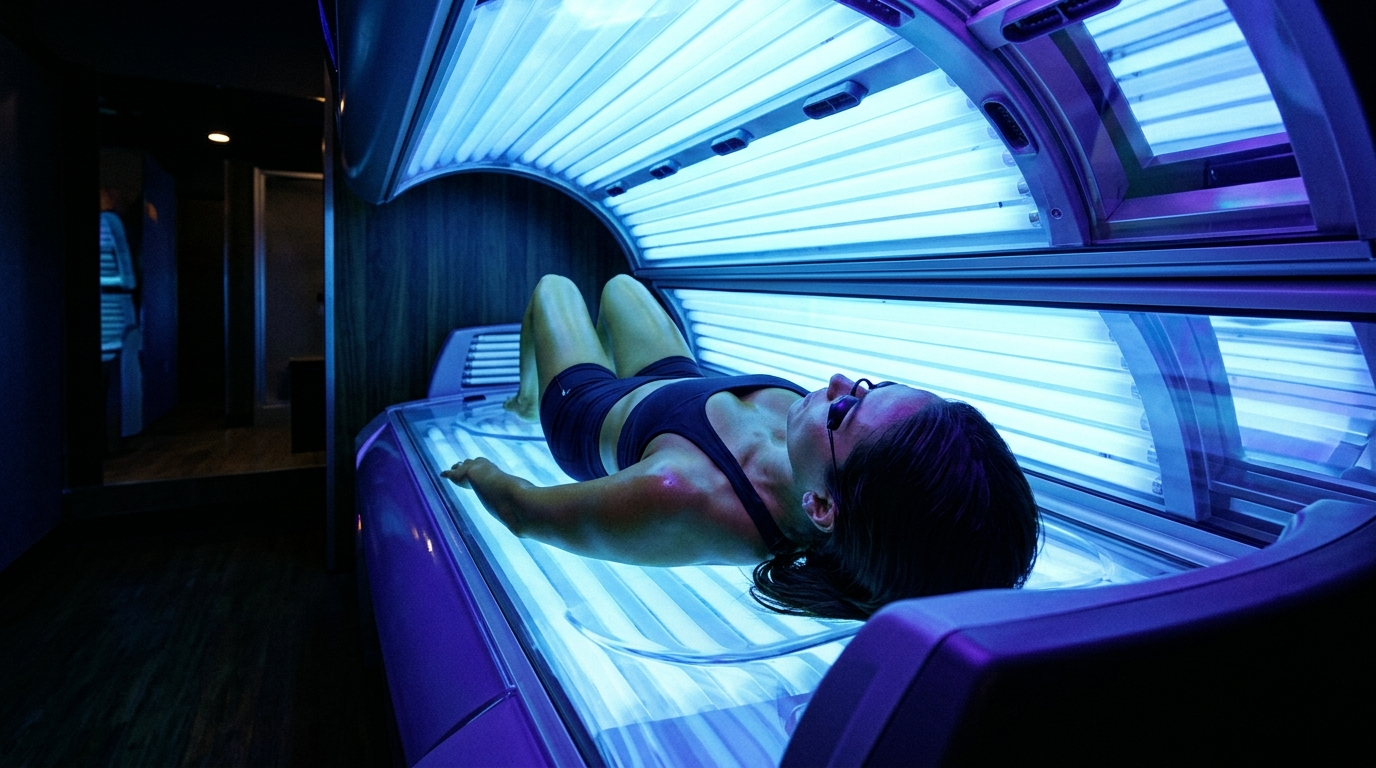
Tanning History: Individuals with a history of tanning bed use.
-
Immunocompromised Patients: Those with weakened immune systems.
-
History: Anyone with a personal or family history of skin cancer.
-
Mole Count: Individuals with numerous or atypical (dysplastic) moles.
Sunscreen: Your First Line of Defense
Daily sunscreen use is the cornerstone of skin cancer prevention. However, not all sunscreens are created equal.
Dr. Mackle advocates for high-quality formulations, specifically highlighting REFORM Skincare SPF 50+.

What sets this apart is its critical wavelength of 380 nm, which indicates superior protection against UVA rays—the rays responsible for long-term skin damage and aging.
How to Use Sunscreen Effectively:
-
Apply Generously: Most people use only a fraction of the required amount.
-
Reapply Every 2 Hours: Sunscreen breaks down and rubs off over time.
-
Post-Activity: Reapply immediately after swimming or sweating.
-
Check the Gaps: Don't forget often-missed areas like the ears, back of the neck, and tops of the feet.
Beyond Sunscreen: A Preventive Routine
While SPF is the "star" of the show, a holistic skincare routine provides secondary layers of protection and repair.
Behavioral Habits
Skincare is only half the battle. To truly protect yourself, you must:
-
Seek Shade: Especially during peak hours.
-
Avoid Midday Sun: Stay indoors or under cover between 11:00 AM and 3:00 PM.
-
Wear Protective Gear: Invest in wide-brimmed hats, UV-rated sunglasses, and UPF clothing.
The Importance of Skin Surveillance
Early detection remains the most effective way to ensure a positive outcome. Dr. Mackle recommends a three-pronged approach to surveillance:
-
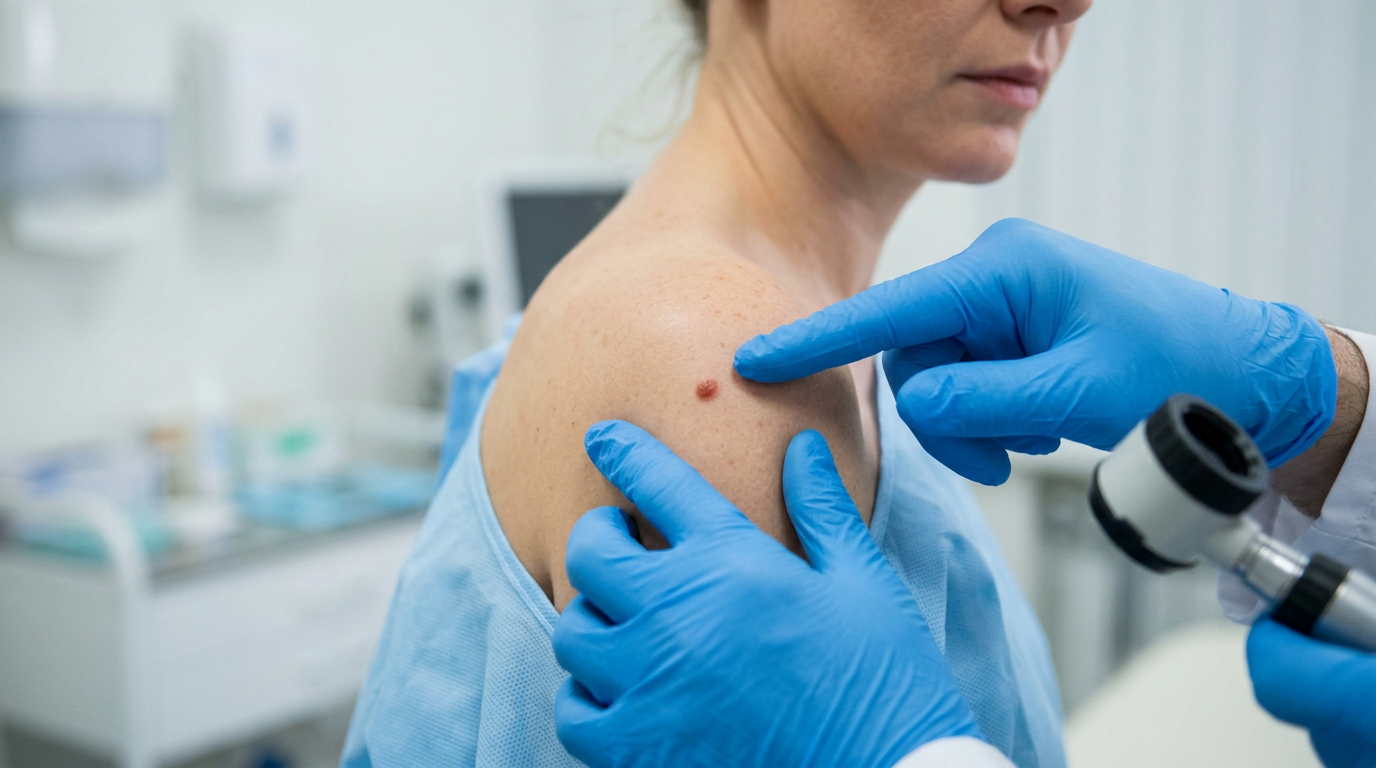
Professional Mole Checks: Schedule an annual exam with a dermatology expert.
-
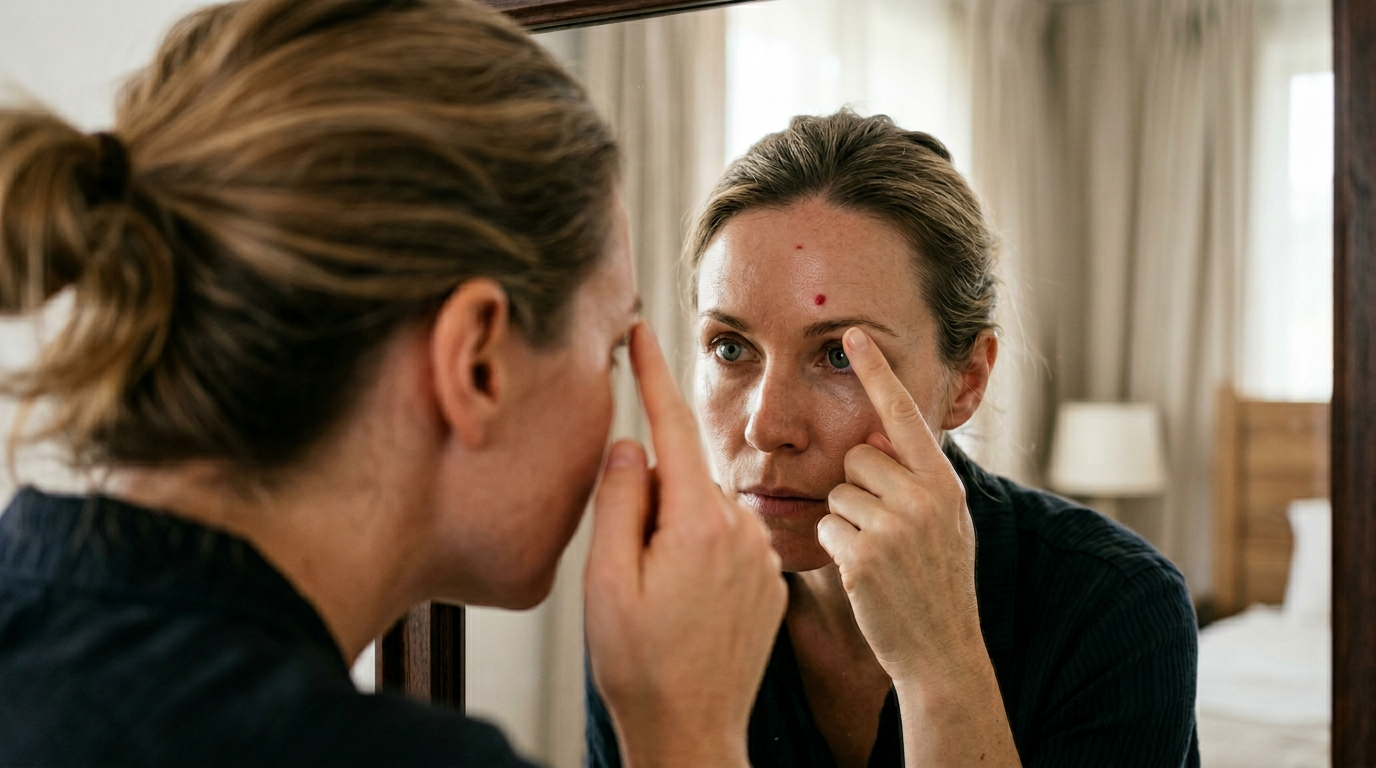
Self-Monitoring: Regularly check your skin for any new or changing lesions (the "ABCDE" rule).
- Advocate for Yourself: If you are unsure about a spot, seek a second opinion.
Final Thoughts
Skin cancer prevention is about consistent action. Early detection saves lives, and persistence matters. Your skin—and your life—are worth it."

Leave a comment
This site is protected by hCaptcha and the hCaptcha Privacy Policy and Terms of Service apply.