
Article: Why You Should Try a Virtual Consultation
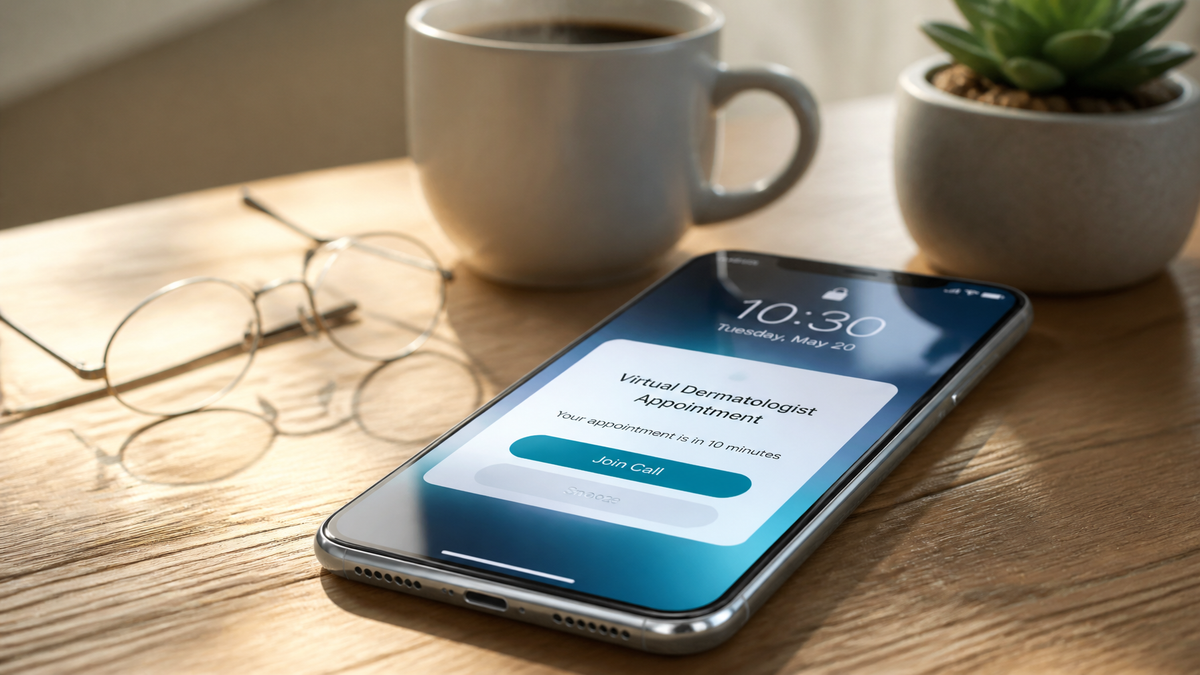
Why You Should Try a Virtual Consultation
The way we access healthcare has quietly undergone a revolution. What was once a novelty — speaking to a doctor through a screen — has become an ordinary part of daily life for millions of people. Virtual consultations, also called telehealth or remote appointments, allow you to consult a GP, specialist, therapist or pharmacist without travelling to a clinic. Whether you live in a bustling city or a remote village, the option to seek medical advice from your sofa is proving transformative. If you have not yet tried one, there are compelling reasons to consider it.
Convenience That Fits Around Real Life
The most immediate benefit is convenience. Traditional appointments demand that you take time off work, arrange childcare, battle traffic and sit in a waiting room surrounded by other people's germs — often for a consultation that lasts barely ten minutes. A virtual consultation collapses all of that into a brief window of your day. You can book an appointment during a lunch break, speak to a clinician from your kitchen table and return to your tasks immediately afterwards. For parents juggling young children, for shift workers with irregular hours, and for anyone caring for a dependent relative, this flexibility is not a luxury. It is frequently the difference between seeking help and simply enduring a problem.
Access for Those Who Struggle to Travel
Distance remains a stubborn barrier to care. In rural areas, patients may travel hours to reach a specialist, and those without reliable transport — the elderly, the disabled, the economically disadvantaged — are disproportionately affected. Virtual consultations shrink geography to nothing. A farmer in a remote valley can consult a cardiologist in the capital without leaving the farm. A person with mobility difficulties avoids an exhausting journey. A student studying abroad can still speak to their family doctor at home. Telehealth does not solve every access problem, but it removes one of the most persistent ones.
Reduced Waiting Times
Waiting lists have become the defining frustration of modern healthcare in many countries. Virtual appointments ease pressure on the system in several ways. Clinicians can see more patients per day when they are not confined to a single room, and simple queries — repeat prescriptions, test results, minor ailments — can be dealt with swiftly, freeing in-person slots for those who genuinely need a physical examination. Many telehealth providers also offer same-day or next-day appointments, which is invaluable when you are worried and do not wish to wait a fortnight to be told your symptoms are harmless.
Comfort and Confidentiality
Some conversations are easier to have from a familiar, private space. Discussing mental health struggles, embarrassing symptoms or sensitive personal matters can feel daunting in a clinical setting. Speaking from your own home, with a clinician who is focused entirely on you, can encourage honesty — and honesty leads to better care. Virtual consultations also suit patients with anxiety around hospitals, those with weakened immune systems who wish to avoid crowded waiting rooms, and anyone who simply feels more at ease in their own environment.
Continuity and Follow-Up Care
Chronic conditions demand regular monitoring: diabetes, hypertension, asthma and heart disease all require ongoing dialogue between patient and clinician. Virtual consultations make that dialogue considerably easier to maintain. Routine check-ins, medication adjustments and reviews of home-monitored readings — blood pressure, blood glucose, weight — can be handled remotely, with in-person visits reserved for occasions when something changes. This rhythm of frequent, low-friction contact often catches problems earlier than a rushed annual appointment ever could.
Cost Savings Without Compromise
Remote appointments are frequently cheaper for both patients and providers. You save on travel, parking, time away from work and, in some systems, the consultation fee itself. Providers save on room hire and administrative overhead. These savings matter most to those with the least to spare. Where insurance or national health services cover telehealth, the financial argument is straightforward; where they do not, the reduced ancillary costs still add up over a year of regular care.
Not a Replacement, but a Powerful Complement
It would be dishonest to pretend virtual care suits every situation. Emergencies, injuries, procedures requiring physical intervention, and examinations that need touch, imaging or equipment demand in-person attention. A good telehealth service will tell you plainly when you need to be seen face to face, and you should never delay urgent care because a video call feels simpler. The sensible framing is this: virtual consultations are a complement to traditional medicine, not a replacement for it. Used well, they extend the reach of a system that is often stretched beyond capacity.
Practical Tips for a Good Appointment
Preparation makes a notable difference. Find a quiet, well-lit room with a stable internet connection, and test your camera and microphone beforehand. Have your medication list, allergy details and any relevant readings to hand. Write down your symptoms and your questions in advance, because a short appointment passes quickly. Be specific about what worries you most. If you are unsure whether your issue is suitable for a remote consultation, mention it when booking — the service will advise you honestly.
Getting Started
Most health systems now offer telehealth through a dedicated app, a website or your existing GP surgery. Check what your provider offers, set up your account, and try a low-stakes appointment first — a repeat prescription review, perhaps — to become familiar with the process. Once you have experienced the convenience for yourself, the hesitation tends to evaporate.
Looking Ahead
Technology will continue to reshape how we receive care. Remote monitoring devices, secure messaging and increasingly sophisticated video platforms are already making virtual consultations smoother and more clinically useful. The question is no longer whether telehealth belongs in modern medicine, but how comfortably each of us can incorporate it into our own health routines. Trying a virtual consultation is a small experiment with a potentially large payoff: better access, less stress and more control over your own wellbeing. For most people, it is worth the attempt.

Leave a comment
This site is protected by hCaptcha and the hCaptcha Privacy Policy and Terms of Service apply.