
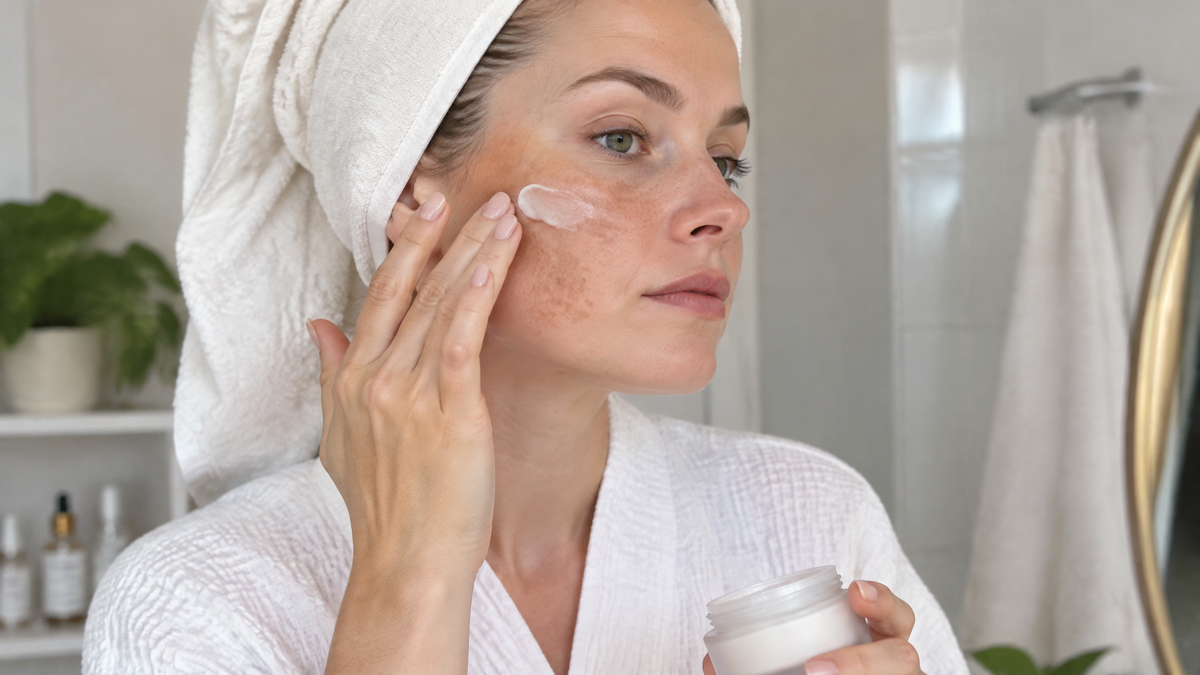
Why a Multi-Step Protocol is Key to Transforming Stubborn Uneven Skin Tone
Uneven skin tone is one of the most common complaints in dermatology clinics and beauty counters alike — and one of the most stubborn. It rarely has a single cause, which is precisely why a single product rarely fixes it. Pigmentation that has built up over years of sun exposure, post-inflammatory marks from old breakouts, melasma triggered by hormones, and the general dullness that comes with a compromised barrier all look similar in the mirror but behave very differently on the skin. A multi-step protocol works because it addresses these distinct pathways at the same time, in the right order, at the right strength — rather than hoping one hero serum will somehow do everything.
This guide explains why layering matters, how to build a routine that actually holds up over months, and where targeted formulas — such as those from REFORM Skincare — fit into a wider strategy.
Understanding Why Skin Tone Becomes Uneven in the First Place
Before choosing products, it helps to understand the mechanisms at play. Uneven tone generally falls into a handful of overlapping categories.
Sun-induced pigmentation. Ultraviolet light stimulates melanocytes — the cells that produce melanin — to ramp up production as a defence mechanism. Over time, this manifests as freckles, solar lentigines (sun spots) and a mottled, patchy appearance across the cheekbones, forehead and hands. This type accumulates slowly and is the single biggest driver of uneven tone worldwide.
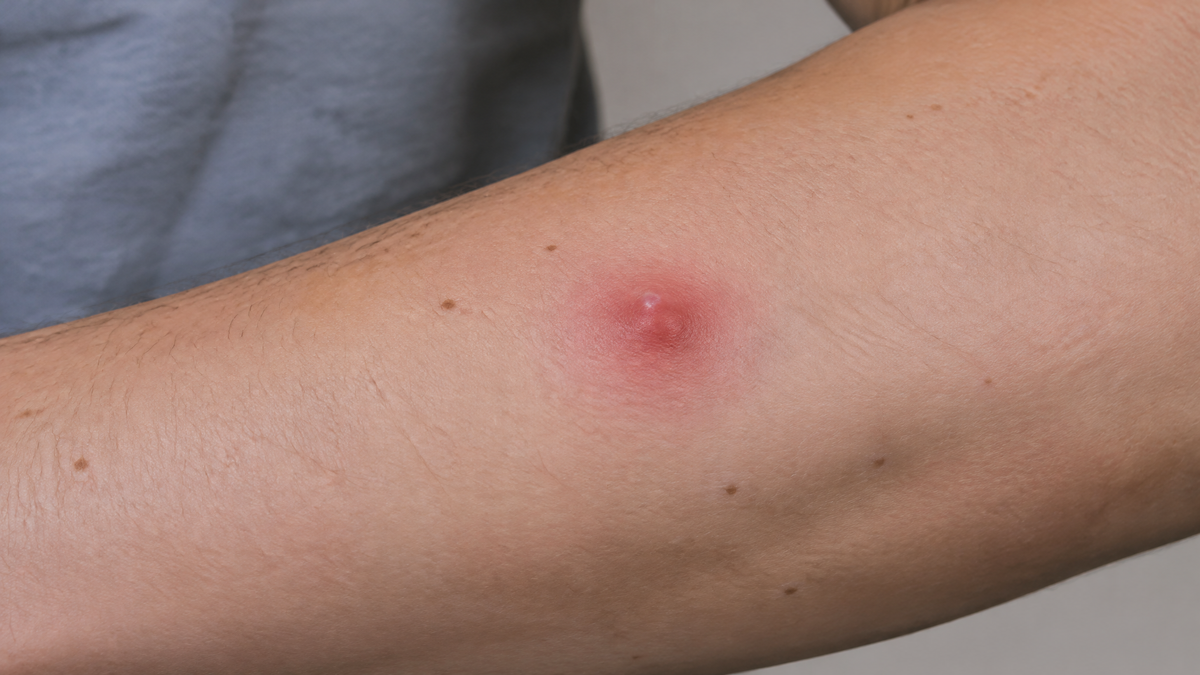
Post-inflammatory hyperpigmentation (PIH). Any injury to the skin — a spot, a scratch, a waxing mishap, an insect bite — can leave behind a dark mark as the healing process deposits excess melanin. PIH is especially common and especially persistent in medium to deep skin tones, and it is one of the reasons aggressive scrubbing makes things worse rather than better.
Melasma. Driven by hormones, heat and UV exposure together, melasma produces broad, symmetrical, muddy patches, most often on the cheeks, upper lip and forehead. It is notoriously treatment-resistant and prone to rebounding when provoked by heat, friction or harsh actives.
Vascular and redness-driven unevenness. Broken capillaries, rosacea and general flushing create red or purple discolouration that reads as "uneven" even though melanin is not involved at all. Treating this with pigment-focused acids alone tends to irritate rather than improve it.
Texture and surface dullness. Dead cells that accumulate on the surface don't reflect light evenly, so the skin looks grey or patchy regardless of actual pigmentation. Dehydration and a compromised barrier amplify this effect dramatically.
The practical takeaway: most people are dealing with two or three of these at once, which is why a single-ingredient approach fails so consistently.
Why One Product Cannot Fix a Multi-Cause Problem
Imagine trying to fix a leaking roof, a cracked window and blocked guttering with a single tool. That's the situation most people are in when they buy a brightening serum and hope it solves everything.
A single product typically does one of the following:
- Suppresses melanin production (for example, vitamin C, tranexamic acid, niacinamide, arbutin)
- Accelerates cell turnover to shed existing pigment (retinoids, exfoliating acids)
- Reduces inflammation that perpetuates pigmentation (centella, azelaic acid, green tea)
- Restores barrier function so the skin can tolerate the above (ceramides, humectants, occlusives)
- Protects against further damage (sunscreen, antioxidants)
No single formula does all five well. A vitamin C serum won't resurface texture. A retinol won't protect you from tomorrow's UV. An exfoliating toner won't rebuild a barrier you've stripped. And critically, several of these steps only behave properly when they are sequenced correctly — applying a strong acid before a barrier cream versus after changes the outcome entirely.
The Architecture of a Multi-Step Protocol
A well-constructed protocol isn't simply "more steps." It's a structured sequence in which each stage does a specific job and prepares the skin for the next. Think of it in five functional layers.

1. Cleanse — Remove Without Stripping
Everything downstream depends on a clean, calm canvas. But over-cleansing is one of the most common self-inflicted causes of dullness and rebound pigmentation. Harsh foaming cleansers, hot water, and multiple cleansing passes strip the lipid barrier, triggering inflammation and leaving the skin tight, reactive and prone to further discolouration.
The goal here is efficient removal of sunscreen, sebum, pollution and makeup without disturbing the acid mantle. A gentle, low-pH cleanser used morning and evening — plus a dedicated oil or balm cleanser in the evening if you wear heavy sunscreen or makeup — sets the tone for the whole routine.
2. Treat — The Active Layer
This is where pigment correction actually happens, and it is the stage that benefits most from multiple agents working in parallel. Because melanin production involves several enzymatic steps, different actives interrupt it at different points. Combining, say, a tyrosinase inhibitor with a melanosome-transfer inhibitor and a mild exfoliant produces a broader effect than pushing any one of them harder.
This is also the stage where irritation risk peaks. The rule is: introduce one new active at a time, at a frequency you can sustain, and build tolerance over weeks rather than days.
3. Hydrate and Repair — The Tolerance Layer
Actives create results by creating controlled stress. Without a repair layer, that stress becomes damage, and damaged skin produces more pigment. Humectants (glycerin, hyaluronic acid, panthenol), barrier lipids (ceramides, cholesterol, fatty acids) and soothing botanicals are not "filler" steps — they are what makes the active steps sustainable over the months required for visible change.
4. Protect — The Non-Negotiable Step
Nothing undoes a brightening routine faster than unprotected sun exposure. Broad-spectrum SPF 30 or higher, applied generously and reapplied through the day, is the foundation on which every other step rests. Without it, you are effectively bailing water out of a boat while leaving the hole open. Antioxidants used in the morning add a second line of defence against UV-generated free radicals.
5. Support From Within
Sleep, hydration, dietary antioxidants and stress management all influence skin repair and inflammation. This isn't a product step, but it materially affects how quickly the rest of the protocol works.
Why Sequence and Timing Change Everything
Two people can use identical products and get completely different results based on order and timing. A few principles matter more than any specific brand.
Thinnest to thickest. Water-based formulas go on before oil-based ones, otherwise the lighter product cannot penetrate.
pH-sensitive actives first. Vitamin C and exfoliating acids need a low-pH environment to work. Applying them over a rich cream neutralises them and wastes the product.
Separate conflicting actives. Retinoids and strong acids used in the same sitting at full strength is a recipe for a compromised barrier. Splitting them across mornings and evenings, or across alternate nights, preserves both efficacy and tolerance.
Give each stage time. A brief pause between layers — thirty to sixty seconds — prevents pilling and lets each formula absorb.
Consistency beats intensity. Daily moderate use for twelve weeks outperforms sporadic aggressive use nearly every time. Pigment cycles are slow; the skin you see today was built by the last six to eight weeks of behaviour.
Matching Ingredients to the Type of Unevenness
Rather than chasing whatever is trending, match the active to the mechanism.
| Concern | Useful actives | Notes |
|---|---|---|
| Sun spots, mottled tone | Vitamin C, niacinamide, alpha arbutin, tranexamic acid | Pair with daily SPF or results stall |
| Post-acne marks | Azelaic acid, retinoids, niacinamide, gentle AHAs | Avoid picking and harsh scrubs |
| Melasma | Tranexamic acid, azelaic acid, retinoids, rigorous photoprotection | Heat and friction are triggers too |
| Redness, flushing | Centella, panthenol, niacinamide, azelaic acid | Skip strong acids until calm |
| Dullness, rough texture | AHAs, PHAs, retinoids | Introduce slowly, moisturise well |
Notice that several actives appear in more than one row, which is exactly why a smart protocol can address multiple issues with a small, efficient set of products rather than a crowded shelf.
Where REFORM Skincare Fits
A multi-step protocol needs products that are formulated to sit in a routine — meaning textures that layer without pilling, concentrations that are meaningful but tolerable, and packaging that protects unstable actives from light and air. This is where a focused range such as REFORM Skincare becomes genuinely useful.
Rather than treating any single product as a miracle, the sensible approach is to slot specific REFORM Skincare formulas into the functional layers described above — a treatment step here, a repair step there — and let the protocol do the work. When selecting from any range, check three things: what the active actually is, what concentration it sits at, and whether the texture suits the position it will occupy in your routine. A treatment serum needs to be light enough to sit under moisturiser and sunscreen without balling up; a night repair product needs to be occlusive enough to limit water loss overnight.
If you are building a routine around pigment correction, the most valuable roles for a dedicated skincare line are the treatment layer and the repair layer, because those are the two stages that most determine whether a protocol succeeds or collapses into irritation. Everything else — cleansing, protection — can be handled by any well-formulated, boring, reliable product.
Building Your Own Protocol: A Practical Twelve-Week Plan
Weeks 1–2: Stabilise. Gentle cleanser, moisturiser, sunscreen. Nothing else. This establishes a baseline and reveals whether your barrier is compromised.
Weeks 3–4: Introduce one active. Choose the one that matches your dominant concern and use it two or three nights a week. Expect nothing dramatic yet.
Weeks 5–8: Build frequency and add a second active. Increase to nightly if comfortable. Add a complementary active — for example, a morning antioxidant alongside an evening retinoid — rather than doubling up on the same mechanism.
Weeks 9–12: Refine. Assess honestly. Photograph your skin in consistent lighting. Adjust strength, not the number of products. If irritation appears, step back one stage rather than abandoning the routine.
Ongoing: Maintain. Once tone evens, most people can reduce frequency of the strongest actives while keeping sunscreen, antioxidants and moisturiser daily.
Common Mistakes That Sabotage Progress
- Adding too much at once. Three new actives in one week makes it impossible to identify what's working and what's causing irritation.
- Skipping sunscreen on cloudy days. UVA penetrates cloud cover and glass; pigmentation does not take days off.
- Over-exfoliating. More acids do not mean faster results — they mean a damaged barrier and often darker marks.
- Judging too early. Twelve weeks is the realistic minimum for meaningful change in pigmentation.
- Ignoring heat and friction. For melasma especially, saunas, hot yoga and aggressive facial massage can trigger relapse.
- Abandoning the protocol the moment it works. Pigmentation returns quickly without maintenance.
The Long View
Transforming stubborn uneven skin tone is not about finding a stronger product. It's about building a system: cleanse without stripping, treat with complementary actives in the right sequence, repair so the treatment remains tolerable, protect relentlessly, and repeat for long enough that the skin's own renewal cycle can catch up. Products matter — a well-chosen range such as REFORM Skincare can supply the treatment and repair layers that do the heaviest lifting — but they matter as components of a protocol, not as standalone saviours.
The people who see the most dramatic change are rarely the ones with the biggest product collection. They are the ones who picked a sensible sequence, kept it boringly consistent for three months, and protected their results every single day. That is the whole secret, and it is genuinely within reach for almost anyone willing to be patient with it.


Leave a comment
This site is protected by hCaptcha and the hCaptcha Privacy Policy and Terms of Service apply.