
Understanding Leg Veins: A Guide to Anatomy, Conditions, and Care
Our legs work tirelessly, carrying us through life, and their intricate network of veins plays a crucial role in this daily performance. These vessels are responsible for returning deoxygenated blood from our lower extremities back to the heart. While often overlooked, leg veins can sometimes develop issues that range from cosmetic concerns to more serious health conditions. Understanding how they work, common problems that can arise, and ways to maintain their health is essential for overall well-being.
The Anatomy of Leg Veins: A Deep Dive

To appreciate leg vein health, it's helpful to understand their basic anatomy. There are three main types of veins in the legs:
- Superficial veins: These are located just beneath the skin and are visible to the naked eye. The great saphenous vein (GSV) and small saphenous vein (SSV) are the most prominent superficial veins.
- Deep veins: Situated within the muscle tissue, these veins run alongside arteries. They are responsible for carrying the majority of the blood back to the heart.
- Perforator veins: These short veins connect the superficial and deep venous systems, allowing blood to flow from the superficial veins into the deep veins.
The primary mechanism that propels blood upwards against gravity is a combination of muscle contractions and a series of one-way valves. When leg muscles contract, they squeeze the deep veins, pushing blood towards the heart. The valves then close to prevent blood from flowing backward. This efficient system ensures a continuous, upward flow of blood.
Common Leg Vein Conditions
Several conditions can affect leg veins, impacting their function and appearance.
Varicose Veins
Varicose veins are perhaps the most well-known leg vein issue. These are enlarged, twisted veins that often appear blue or dark purple and can bulge from beneath the skin. They develop when the one-way valves within the veins weaken or become damaged. This allows blood to flow backward, pooling in the vein and causing it to stretch and swell.
Symptoms of varicose veins can include:
- Aching or heavy feeling in the legs
- Burning, throbbing, muscle cramping, and swelling in the lower legs
- Worsened pain after sitting or standing for a long time
- Itching around one or more veins
- Skin discoloration around the varicose vein
While often considered a cosmetic concern, varicose veins can lead to more serious complications if left untreated, such as skin ulcers, phlebitis, and even blood clots.
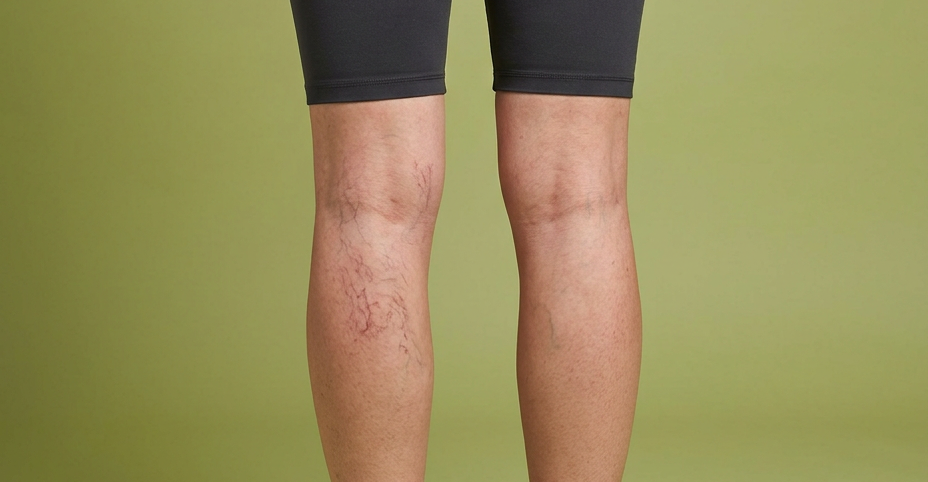
Spider Veins (Telangiectasias)
Spider veins are smaller, finer versions of varicose veins. They are typically red, blue, or purple and resemble a spiderweb or tree branches. Unlike varicose veins, they usually don't bulge from the skin and are primarily a cosmetic concern, though they can sometimes cause minor itching or burning. They are caused by damaged capillaries close to the skin's surface.
Chronic Venous Insufficiency (CVI)
Chronic venous insufficiency is a more severe condition characterized by impaired blood flow in the leg veins. It occurs when the leg veins are unable to pump enough blood back to the heart, leading to blood pooling in the legs. This condition is often (but not always) associated with varicose veins.
Symptoms of CVI include:
- Swelling in the legs and ankles
- Pain, aching, or tiredness in the legs
- Leg cramps
- Itching
- Skin discoloration (e.g., brownish pigmentation)
- Thickening and hardening of the skin around the ankles and shins (lipodermatosclerosis)
- Venous ulcers (open sores), especially around the ankles
CVI can significantly impact quality of life and, if untreated, can lead to serious skin and tissue damage.
Deep Vein Thrombosis (DVT)
Deep vein thrombosis is a serious medical condition where a blood clot forms in one of the deep veins, usually in the leg. This can be life-threatening if the clot breaks loose and travels to the lungs (pulmonary embolism).
Symptoms of DVT can include:
- Swelling in the affected leg
- Pain or tenderness, often starting in the calf
- Warmth in the affected area
- Red or discolored skin
DVT often presents with few or no symptoms, making it particularly dangerous. Risk factors include prolonged immobility, surgery, certain medical conditions, and inherited clotting disorders.
Risk Factors for Leg Vein Problems
While some individuals are predisposed to leg vein issues, several risk factors can increase the likelihood of developing these conditions:
- Age: The risk of vein problems increases with age as valves can naturally weaken over time.
- Genetics: A family history of varicose veins or other venous conditions significantly increases your risk.
- Gender: Women are more prone to varicose veins due to hormonal changes, especially during pregnancy and menopause, as well as the effects of estrogen and progesterone.
- Pregnancy: Increased blood volume and pressure on pelvic veins during pregnancy can contribute to vein issues.
- Obesity: Excess weight puts added pressure on leg veins, making it harder for blood to flow upward.
- Prolonged standing or sitting: Occupations that involve long periods of standing or sitting can hinder blood circulation in the legs.
- Lack of physical activity: Regular movement helps pump blood through the veins.
- Injury or trauma to the leg: Damage to a vein can impair its function.
Maintaining Healthy Leg Veins: Prevention and Care
Fortunately, there are many steps you can take to prevent leg vein problems and manage existing conditions.
Lifestyle Modifications
- Regular Exercise: Engage in activities that promote leg circulation, such as walking, cycling, or swimming. These exercises help strengthen calf muscles, which are crucial for venous blood return.
- Maintain a Healthy Weight: Losing excess weight can significantly reduce the pressure on your leg veins.
- Avoid Prolonged Standing or Sitting: If your job requires it, take frequent breaks to walk around, stretch your legs, or elevate them. When sitting, avoid crossing your legs, as it can restrict blood flow.
- Elevate Your Legs: Raising your legs above heart level for 15 minutes a few times a day can help reduce swelling and improve circulation.
- Wear Compression Stockings: These specialized stockings apply gentle pressure to the legs, helping to improve blood flow and reduce swelling. They are often recommended for individuals with varicose veins or CVI.
- Choose Comfortable Footwear: Avoid high heels, which can alter calf muscle function. Opt for low-heeled shoes that support natural foot movement.
- Avoid Tight Clothing: Restrictive clothing around the waist, groin, and legs can hinder blood flow.
- Stay Hydrated: Drinking plenty of water helps maintain blood viscosity, making it easier for blood to flow.
- Quit Smoking: Smoking damages blood vessels and can worsen venous health.
When to Seek Medical Advice
If you experience persistent leg pain, swelling, skin changes, or notice signs of blood clots, it's crucial to consult a healthcare professional. A doctor can diagnose the underlying cause of your leg vein issues and recommend appropriate treatment options.
Modern Treatment Options
For more severe leg vein conditions, a range of modern treatment options are available:
- Sclerotherapy: This involves injecting a solution directly into the vein, causing it to scar and close. It's often used for spider veins and smaller varicose veins.
- Laser and Radiofrequency Ablation: These minimally invasive procedures use heat to close off damaged veins.
- Phlebectomy: A surgical procedure to remove varicose veins through small incisions.
- Vein Stripping and Ligation: A more traditional surgical approach to remove larger varicose veins.
- Medications: For DVT, blood-thinning medications are prescribed to prevent clot growth and formation of new clots.
Conclusion
Our leg veins are vital components of our circulatory system, working tirelessly to keep blood flowing efficiently. By understanding their anatomy, recognizing common conditions, and adopting preventive measures, we can significantly contribute to their long-term health. Prioritizing healthy habits and seeking professional medical advice when needed can help ensure your legs remain strong and your veins function optimally, allowing you to move through life with comfort and confidence.

1 comment
Informative read. Electrolyte balance is definitely key. We cover more health topics at https://bzpharmacy.com/
Benzo Pharma
Leave a comment
This site is protected by hCaptcha and the hCaptcha Privacy Policy and Terms of Service apply.