
LimeLight IPL Treatment: Clear Sun Damage & Redness | The Adare Clinic
The world of aesthetic treatments is constantly evolving, with new technologies emerging to address a wide range of skin concerns. Among these advancements, laser and light-based therapies have carved out a significant niche, offering effective solutions for everything from unwanted hair to signs of aging. One such popular and versatile treatment is the LimeLight laser. While often referred to as a "laser," the LimeLight actually falls into the category of Intense Pulsed Light (IPL) devices. This distinction is important, but for the sake of common terminology and clarity, we'll often use "LimeLight laser" as it's frequently searched and understood by the general public.
What is LimeLight?
The LimeLight system is a non-invasive light-based procedure designed to improve skin tone and surface imperfections associated with aging and photodamage. It's particularly effective for treating conditions on the face, neck, décolletage, hands, and other areas commonly exposed to the sun. Unlike traditional lasers that use a single, focused wavelength of light, LimeLight (like other IPL devices) emits a broad spectrum of light. This light is absorbed by specific targets in the skin, such as melanin (for brown spots and freckles) and hemoglobin (for redness and tiny veins).
The key to LimeLight's effectiveness lies in its customizable settings. It offers three distinct programs, allowing practitioners to tailor the treatment to individual skin types and concerns. These different programs essentially filter the broad-spectrum light to target specific chromophores (light-absorbing molecules) more effectively, making it a highly adaptable solution.
How Does it Work?
At its core, LimeLight treatment works through a process called photothermolysis. When the intense pulsed light is emitted, it penetrates the epidermis (the outermost layer of skin) and is selectively absorbed by melanin in pigmented lesions (like sunspots) and hemoglobin in blood vessels (like those causing redness).
When light energy is absorbed by these chromophores, it is converted into heat. This heat causes controlled thermal damage to the target cells, without harming the surrounding healthy tissue.
- For brown spots and freckles: The heat causes the melanin-containing cells to break down. These treated pigmented lesions will typically darken over the next few days, then slowly flake off the skin, revealing a clearer, more even skin tone beneath.
- For redness and small veins: The heat coagulates the blood within the tiny vessels. The treated vessels then collapse and are eventually reabsorbed by the body, reducing the appearance of redness and vascular concerns.
This controlled damage stimulates the skin's natural healing process, leading to improved texture, reduced discoloration, and an overall more youthful appearance.
What Can LimeLight Treat?
The versatility of the LimeLight system makes it suitable for addressing a variety of common skin concerns, primarily those related to sun damage and aging:
- Sunspots and Age Spots (Lentigines): These flat, brown spots are a direct result of sun exposure and can appear on the face, hands, décolletage, and other exposed areas. LimeLight effectively targets and reduces their appearance.
- Freckles: Similar to sunspots, freckles are concentrations of melanin that can be lightened or removed with LimeLight.
- Redness and Rosacea: Diffuse redness, flushing, and the visible blood vessels associated with rosacea can be significantly improved.
- Telangiectasias (Spider Veins): Those tiny, broken capillaries, especially around the nose and cheeks, respond well to LimeLight treatment.
- Uneven Skin Tone: By targeting pigmented and vascular imperfections, LimeLight helps to create a more uniform and radiant complexion.
-
Mild Skin Texture Issues: While not its primary function, the thermal effect of LimeLight can also offer some improvement in overall skin texture and pore size.

The Treatment Experience
A typical LimeLight treatment session is relatively quick, often lasting only 15 to 30 minutes, depending on the size of the area being treated.
Before the Treatment
- Consultation: A thorough consultation with a qualified practitioner is essential. They will assess your skin type, concerns, and medical history to determine if LimeLight is the right treatment for you. They will also discuss realistic expectations and the number of sessions required.
- Preparation: You may be advised to avoid direct sun exposure, tanning beds, and certain topical products (like retinoids) for a period before your treatment. It's crucial to arrive with clean skin, free of makeup or lotions.
During the Treatment
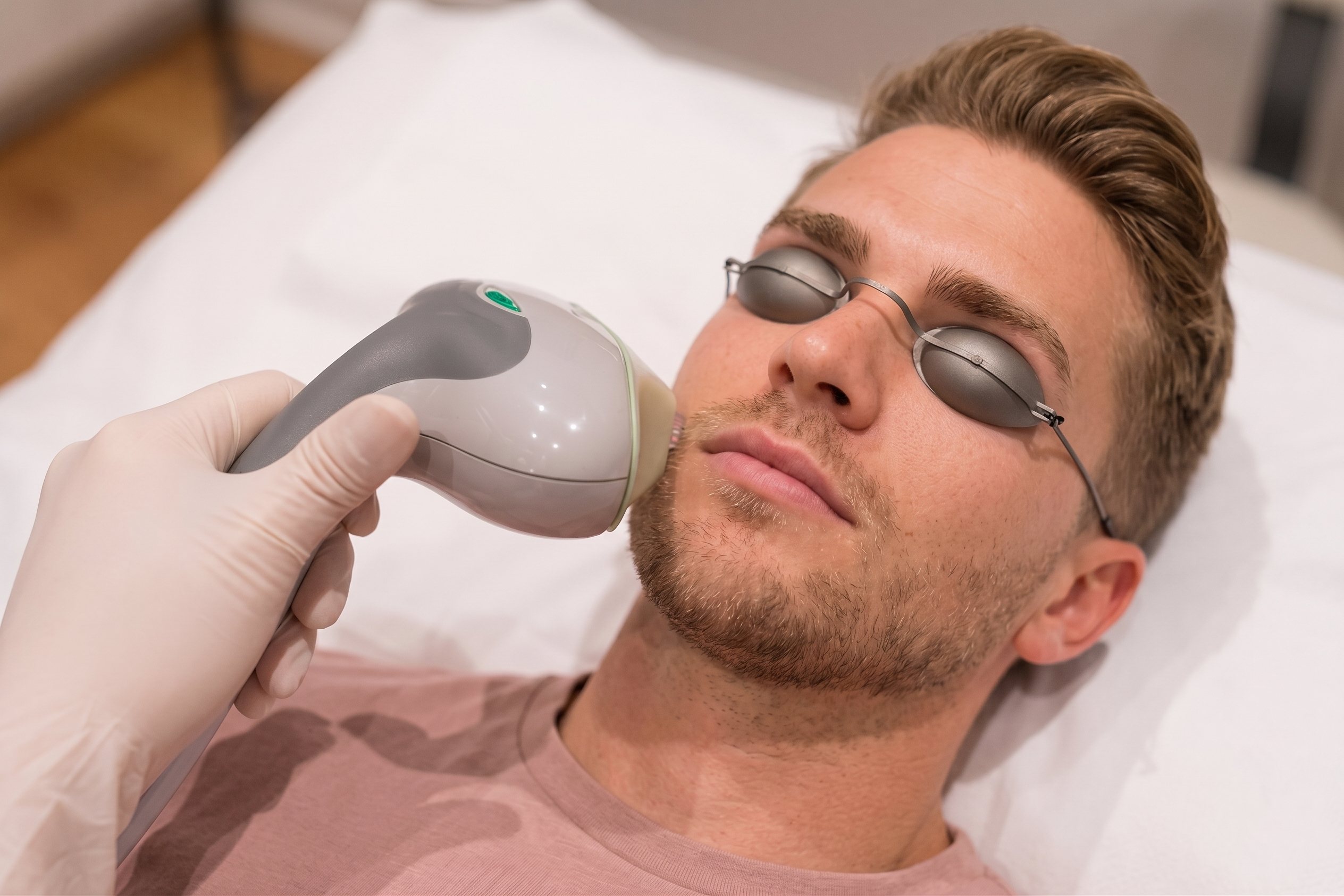
- Protective Eyewear: You will be given protective eyewear to shield your eyes from the intense light.
- Cooling Gel: A thin layer of cooling gel is typically applied to the treatment area. This enhances light penetration and helps to cool the skin, improving comfort.
- Light Pulses: The practitioner will then place the LimeLight handpiece on your skin and deliver a series of light pulses. Each pulse feels like a brief, hot snap or the flick of a rubber band. Most patients tolerate the procedure well, though some areas may be more sensitive than others. The integrated cooling system in the handpiece helps to minimize discomfort.
After the Treatment
- Immediately After: You may experience some mild redness and swelling, similar to a sunburn, which usually subsides within a few hours to a day.
- Pigmented Lesions: Treated brown spots will typically darken over the next 24-48 hours. This is a good sign that the treatment was effective. They will then begin to flake off over the next 1 to 2 weeks, revealing clearer skin. Do not pick or scrub these areas.
- Vascular Lesions: Redness or tiny vessels may initially appear slightly more prominent before fading. Bruising is rare but can occur in some cases.
- Skincare: Your practitioner will provide specific aftercare instructions, which usually include keeping the skin hydrated, avoiding harsh exfoliants, and meticulous sun protection with a broad-spectrum SPF 30+ sunscreen.
- Makeup: You can typically apply makeup immediately after the treatment if desired.
- Results: Visible improvements are often seen after the first treatment, but a series of 3 to 5 sessions, spaced about 3-4 weeks apart, is usually recommended for optimal and long-lasting results.
Who is a Good Candidate for LimeLight?
LimeLight is most effective for individuals with fair to medium skin tones (Fitzpatrick skin types I-IV) who have concerns about sun damage, brown spots, redness, and fine capillaries. It is generally not recommended for very dark skin tones due to the higher risk of pigmentation changes (hyper- or hypopigmentation) because darker skin contains more melanin, which could absorb too much of the light energy, leading to adverse effects.
Ideal candidates are those who:
- Are looking to improve overall skin tone and clarity.
- Have discrete brown spots, freckles, or age spots.
- Suffer from diffuse redness or visible small blood vessels.
- Are committed to sun protection before and after treatment to maintain results.
- Have realistic expectations about the outcomes.
Potential Side Effects and Risks
LimeLight is considered a safe procedure when performed by a trained and experienced professional. However, as with any aesthetic treatment, there are potential side effects:
- Common (Temporary): Redness, swelling, mild discomfort, darkening of pigmented spots, and mild crusting. These typically resolve within a few days to a week.
- Rare (More Serious): Blistering, burns, changes in pigmentation (darkening or lightening of the skin), and scarring. These risks are significantly reduced when treated by a qualified practitioner who correctly assesses skin type and sets appropriate parameters.
It's crucial to follow all pre- and post-treatment instructions provided by your clinician to minimize risks and ensure the best possible results.
Maintaining Your Results
While LimeLight can dramatically improve your skin's appearance, it's not a permanent solution for preventing future sun damage or the natural aging process. To maintain your newly radiant complexion, ongoing skincare is essential:
- Sun Protection is Key: This is arguably the most important step. Consistent daily use of a broad-spectrum sunscreen with an SPF of 30 or higher, along with protective clothing and seeking shade, will prevent new sunspots and redness from forming.
- Medical-Grade Skincare: A good at-home skincare regimen, including antioxidants (like Vitamin C), retinoids (if suitable for your skin), and moisturizers, can further enhance and prolong your results.
- Maintenance Treatments: Many individuals opt for periodic touch-up LimeLight treatments (e.g., once a year) to address any new concerns that may arise and keep their skin looking its best.
Conclusion
The LimeLight system offers a powerful and effective solution for combating the visible signs of sun damage and aging. By harnessing the power of intense pulsed light, it can significantly reduce brown spots, redness, and improve overall skin clarity and tone, revealing a younger, more revitalized complexion. If you're considering this treatment, remember that a thorough consultation with a qualified aesthetic practitioner is your first and most important step to determine if LimeLight is the right choice to achieve your skin goals. With proper treatment and diligent aftercare, you can enjoy brighter, more even-toned skin for years to come.


Leave a comment
This site is protected by hCaptcha and the hCaptcha Privacy Policy and Terms of Service apply.