
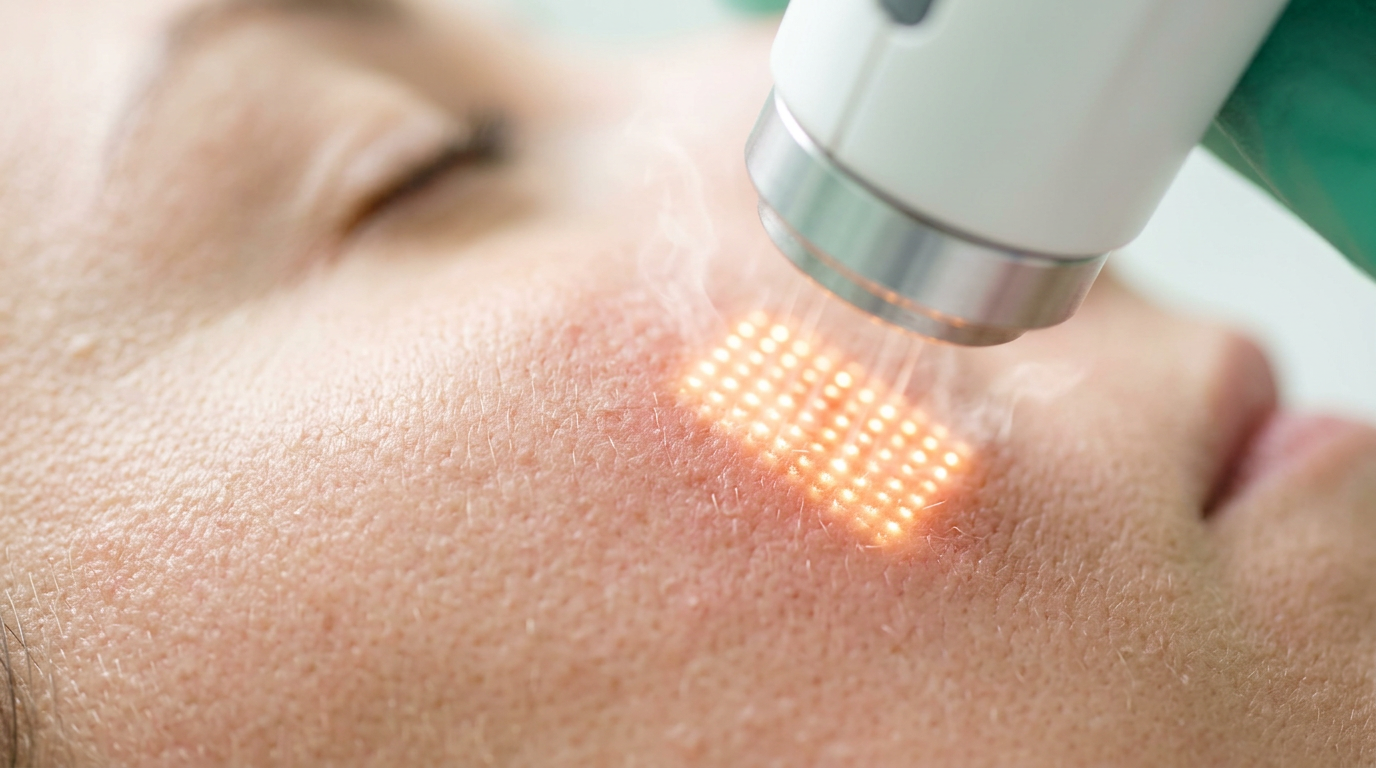
The Ultimate CO2 Laser Recovery Guide: Day-by-Day Aftercare Tips
CO2 laser resurfacing can improve wrinkles, acne scars, uneven texture and sun damage by removing controlled layers of skin and stimulating collagen renewal. The results can be transformative, but recovery requires patience and careful aftercare.
Healing time varies according to the treatment's intensity, the area treated and your individual response. Fractional CO2 procedures may involve around one to two weeks of visible recovery, while more intensive resurfacing can take longer. Always follow your clinician's instructions, even when they differ from general guidance.
Before You Begin: Your Recovery Essentials
Prepare your recovery space before treatment. Useful items may include:
- Your clinician-approved cleanser, ointment and moisturiser
- Clean gauze, cotton pads and soft face cloths
- Cool compresses or gel packs
- Fresh pillowcases and towels
- A broad-spectrum sunscreen for use once your clinician permits it
- Any prescribed antiviral, antibiotic or pain-relief medication
Avoid experimenting with new products during recovery. Freshly treated skin is unusually vulnerable, so even products you normally tolerate may sting or trigger irritation.
Day 0: Immediately After Treatment
Your skin may feel hot, tight and sore, similar to a strong sunburn. Redness, swelling and pinpoint bleeding or oozing can be normal, depending on the depth of treatment.
Follow the wound-care routine provided by your clinic. This may involve applying a prescribed ointment or bland occlusive dressing to prevent the skin from drying out. Use cool compresses for short intervals, but never place ice directly on the treated area.
For the first night:
- Sleep with your head elevated to help reduce swelling.
- Keep your hands away from the treated skin unless cleansing or applying aftercare.
- Avoid heat, exercise, alcohol and hot showers.
- Take prescribed medication exactly as directed.
Do not apply active skincare ingredients, make-up, perfume or essential oils.
Days 1-2: Swelling and Oozing
Swelling often peaks during the first 48 hours, particularly around the eyes. The skin may remain bright red and begin releasing clear or yellowish fluid. This can be part of normal wound healing, but thick discharge, worsening pain or an unpleasant smell requires medical advice.
Cleanse exactly as instructed, using lukewarm water and very gentle movements. Pat rather than rub the skin, then reapply the recommended ointment or dressing. Do not allow the surface to become dry or cracked unless your clinician has specifically advised a different protocol.
During this stage:
- Use only clinician-approved products.
- Keep hair away from your face.
- Avoid pets touching or licking the treated area.
- Change your pillowcase daily.
- Stay away from direct sunlight, dust, smoke and excessive heat.
This is not the time to introduce REFORM Skincare or any other cosmetic skincare range unless your treating professional has approved a specific product for immediate post-procedure use.
Days 3-4: Crusting, Bronzing and Tightness
The skin may darken or develop a bronze appearance. Fine crusting, flaking and a rough, grid-like texture are common after fractional treatment. Itching may also increase as the skin begins to repair itself.
Do not scratch, peel or scrub. Removing flakes prematurely can delay healing and increase the risk of infection, scarring or post-inflammatory hyperpigmentation. Continue cleansing and moisturising according to your clinician's instructions.
Avoid:
- Exfoliating acids and facial brushes
- Retinoids and strong vitamin C treatments
- Saunas, steam rooms and swimming pools
- Strenuous exercise
- Shaving directly over broken or crusted skin
If itching becomes difficult to manage, contact your clinic rather than treating it yourself.
Days 5-7: Peeling and Early Renewal
Flaking often becomes more noticeable before it improves. As the old surface sheds naturally, new skin may appear pink, tender and highly sensitive.
Once the skin has fully closed and your clinician confirms that you can move away from wound care, you may begin a minimal routine:
- Cleanse gently with lukewarm water and a mild, non-exfoliating cleanser.
- Apply a simple hydrating or barrier-supporting product.
- Use sunscreen if your clinician has authorised it.

REFORM Skincare's Skin Barrier Repair Cream is designed to moisturise and support a compromised skin barrier, while its Vitamin B5 Gel is positioned as a hydrating, barrier-supporting gel. Either may be relevant during the later recovery phase, but only after the skin has re-epithelialised and your clinician has approved the formula. Never apply an unfamiliar product to open, weeping or crusted skin. REFORM Skincare
Days 8-14: Redness and Sensitivity
By the second week, much of the crusting and peeling should have settled, although pinkness can remain. Your skin may feel dry, reactive and more sensitive than usual.
Keep your routine deliberately simple:
- Use a gentle cleanser without exfoliating acids.
- Apply a bland moisturiser as often as needed.
- Protect the skin from sunlight.
- Avoid picking at any remaining flakes.
- Delay make-up until the surface is completely healed and your clinician approves it.
Sun protection is essential because recently treated skin is highly susceptible to pigmentation changes. Once permitted, use a broad-spectrum sunscreen and reapply it regularly. REFORM Skincare offers SPF 30 Mineral Sunscreen and SPF 50+ Antioxidant Sunscreen, but suitability after CO2 laser treatment depends on the ingredients, your skin's condition and your clinician's protocol. If sunscreen stings, remove it gently and ask your clinic for an alternative rather than forcing continued use. REFORM Skincare
A wide-brimmed hat and shade provide useful additional protection. Sunscreen should not be your only defence.
Weeks 3-4: Gradual Return to Normal Skincare
Your skin may look healed while still rebuilding beneath the surface. Redness, dryness or occasional sensitivity can continue, particularly after deeper treatment.
Do not restart every product at once. Introduce one product at a time, several days apart, so you can identify irritation. Continue prioritising moisturisation and sun protection.
Potent actives should remain paused until your clinician clears them, including:
- Retinol and prescription retinoids
- Glycolic, lactic and salicylic acids
- Strong vitamin C serums
- Benzoyl peroxide
- Physical exfoliants and cleansing brushes
Although REFORM Skincare carries products such as Retinol 1% Creme, Vitamin C 20% Serum and Glycolic Acid Foaming Cleanser, these are not early-recovery products. Restarting strong actives too soon may cause burning, prolonged redness or barrier disruption. REFORM Skincare
Months 1-3: Protecting Your Results
Collagen remodelling continues for weeks or months, so results may improve gradually. Persistent pinkness can be normal after deeper resurfacing, but it should generally trend towards improvement.
Maintain a consistent routine built around:
- Gentle cleansing
- Adequate moisturisation
- Daily broad-spectrum sun protection
- Gradual reintroduction of approved active ingredients
- Follow-up appointments with your treatment provider
Avoid tanning and unnecessary sun exposure. Pigmentation can develop long after the initial peeling has resolved, particularly in people with deeper skin tones or a history of melasma.
What Is Normal - and What Is Not?
Expected symptoms may include redness, swelling, warmth, tightness, itching, flaking and temporary darkening. The severity and duration depend on the treatment.
Contact your clinician promptly if you experience:
- Pain that is worsening rather than improving
- Spreading redness, marked heat or increasing swelling
- Pus, foul-smelling discharge or yellow crusts that appear infected
- Fever or feeling generally unwell
- Clusters of blisters or cold-sore symptoms
- Grey, black or unusually pale areas of skin
- Sudden swelling of the lips, tongue or throat
- Eye pain or visual changes
- Bleeding that does not stop with gentle pressure
Do not wait for a routine follow-up if something feels significantly wrong.
The Golden Rules of CO2 Laser Recovery
Successful healing depends less on using numerous products and more on doing a few things consistently: follow your clinician's protocol, keep the area clean and appropriately moisturised, avoid picking, pause active ingredients and protect your skin from sunlight.
The most common mistake is treating newly resurfaced skin as though it simply needs an upgraded skincare routine. It does not. During the first phase, it needs careful wound management. Later, it needs hydration, barrier support and protection. Products such as REFORM Skincare's Skin Barrier Repair Cream, Vitamin B5 Gel or sunscreen may have a place only when the skin has closed and your clinician considers them appropriate.
Give your skin time. A cautious recovery may feel slow, but it is one of the best ways to support smoother healing and protect the results of your CO2 laser treatment.

Leave a comment
This site is protected by hCaptcha and the hCaptcha Privacy Policy and Terms of Service apply.