
From Laser to Healing: What to Expect During Your Scar Revision Journey
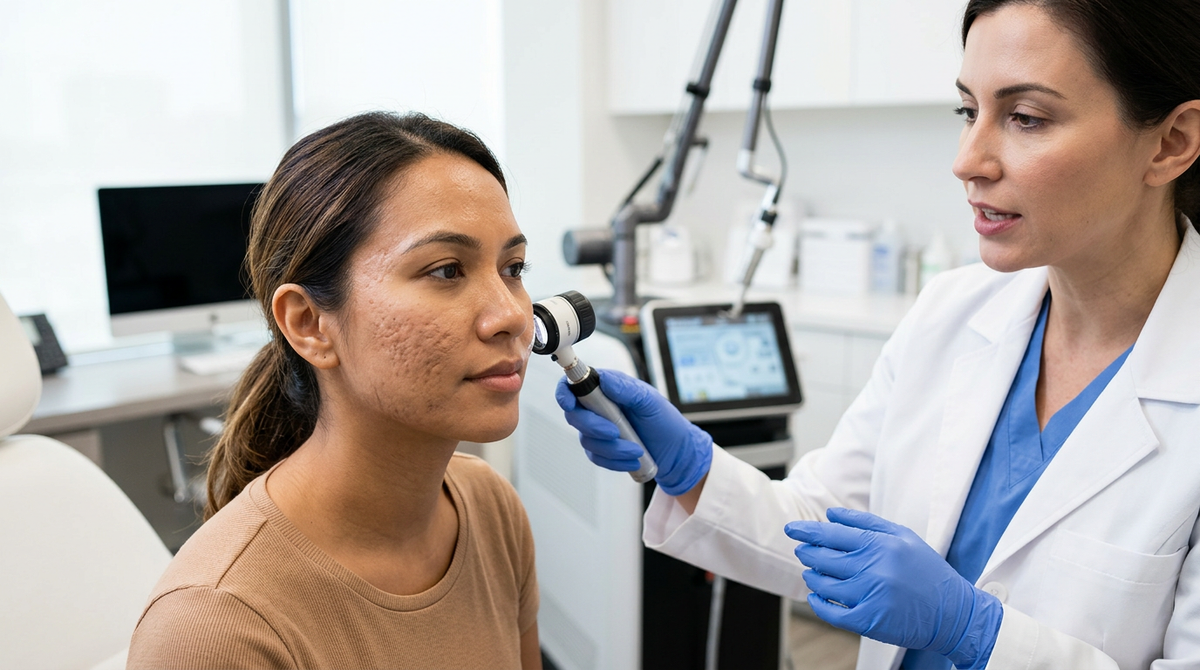
Scars are a natural part of healing, but they can sometimes remain raised, indented, discoloured or uncomfortable long after an injury has closed. Scar revision aims to make a scar less noticeable and improve its colour, texture or flexibility. It may involve laser treatment alone or a combination of approaches, depending on the type of scar and your skin.
Although the word “revision” may suggest that a scar can be erased, no treatment can remove one completely. The realistic goal is a scar that blends more closely with the surrounding skin and causes fewer symptoms. Understanding the journey - from consultation to recovery - can help you approach treatment with confidence and sensible expectations.
Your initial consultation
Every scar behaves differently. During your consultation, a qualified practitioner will assess factors such as:
- Scar type: This may include a flat, raised, sunken, stretched, pigmented or red scar.
- Cause and location: Surgical scars, acne scars, burns and traumatic injuries may respond differently.
- Age of the scar: Some newer scars continue to change naturally, while mature scars may require a different strategy.
- Skin tone and sensitivity: These can influence laser selection, treatment settings and the risk of pigmentation changes.
- Symptoms: Pain, itching, tightness and restricted movement are important considerations.
- Medical history: Certain medicines, skin conditions and previous reactions may affect whether treatment is suitable.
Your practitioner should explain the likely benefits, limitations, risks, number of sessions and expected recovery. In some cases, they may recommend allowing more time for natural healing before beginning treatment.
How laser scar revision works
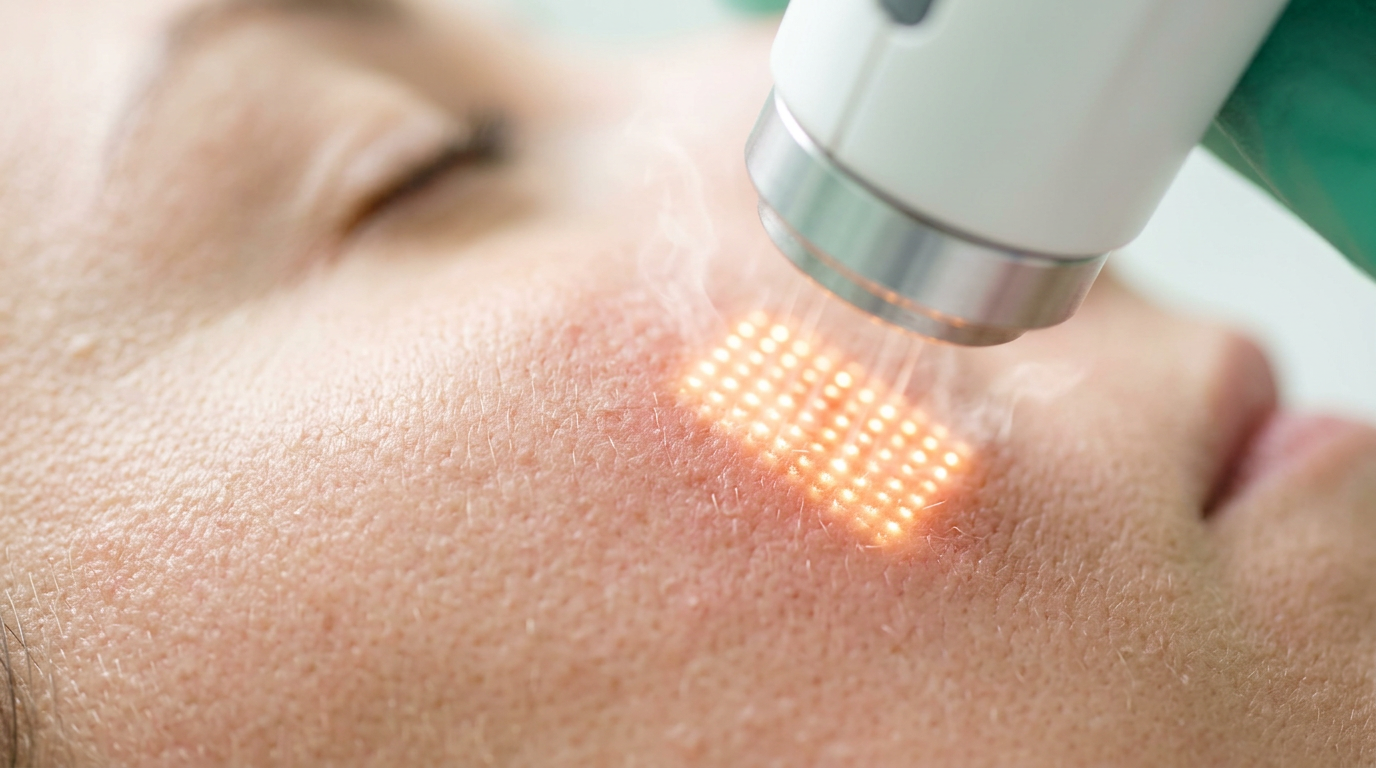
Lasers use controlled light energy to target particular features of a scar. The most suitable technology depends on the concern being treated.
Vascular lasers may help reduce persistent redness by targeting small blood vessels. Pigment-focused devices may be used for certain colour irregularities, while fractional lasers create microscopic treatment zones that stimulate controlled renewal and collagen remodelling. Fractional treatment may be ablative, which removes tiny columns of tissue, or non-ablative, which works beneath the surface with less disruption.

Laser treatment is not appropriate for every scar. Raised scars may also need silicone therapy, steroid injections or other medical treatment. Indented acne scars can require microneedling, subcision, peels or fillers, while scars that restrict movement may need surgical revision. A personalised plan is usually more effective than relying on one procedure for every concern.
Preparing for treatment
Good preparation can reduce avoidable irritation and complications. Follow the instructions provided by your clinic, as these should take priority over general skincare advice.
You may be asked to:
- Avoid tanning and excessive sun exposure. Recently tanned skin can increase the likelihood of burns or pigmentation changes.
- Pause selected active ingredients. Retinoids, exfoliating acids and other potentially irritating products may need to be stopped temporarily.
- Disclose medicines and supplements. This includes anything that affects healing, bleeding or sensitivity to light.
- Avoid picking or treating active irritation. Broken skin, infection or an inflammatory flare may mean postponing the session.
- Arrive with clean skin. Your practitioner may ask you not to apply make-up, fragrance or skincare products on the treatment area.
Do not begin a new “scar-fading” routine immediately before treatment. Calm, intact skin is generally a better starting point than skin irritated by over-exfoliation.
What happens during the procedure?
Before treatment, the area will be cleansed and photographed so progress can be monitored. Protective eyewear is essential. Depending on the laser and treatment depth, a topical anaesthetic may be applied in advance.
During the procedure, you may feel warmth, prickling or a snapping sensation. Some devices use cooling to improve comfort. Sessions may take only a few minutes for a small scar, although larger areas or deeper treatments can take longer.
Immediately afterwards, the scar may look redder or more swollen than before. This is expected and does not mean the final result will resemble the treated area on day one.
The first few days of healing
Recovery varies considerably. A gentle non-ablative treatment may cause redness and mild swelling for a few days. More intensive resurfacing may produce pronounced redness, warmth, flaking, crusting or temporary oozing, with a longer period of visible healing.
Your clinic may recommend cool compresses, a prescribed ointment or a simple moisturiser. Keep the area clean, avoid scratching and allow any flaking or crusting to separate naturally. Picking can delay healing and increase the risk of infection, pigmentation changes or additional scarring.
For the early healing phase, simplicity matters. A barrier-supporting product may be appropriate once your practitioner permits it. REFORM Skincare’s Skin Barrier Repair Cream is formulated to support a compromised skin barrier, but it should only be introduced after professional approval - particularly following ablative treatment or while the skin remains open. REFORM Skincare
Seek medical advice promptly if you notice worsening pain, spreading redness, pus, blisters, fever or swelling that is increasing rather than settling.
Sun protection is essential
Recently treated skin can be especially vulnerable to ultraviolet exposure. Sunlight may prolong redness and increase the risk of post-inflammatory hyperpigmentation, particularly in deeper skin tones.

Once the skin has healed sufficiently for sunscreen, apply broad-spectrum protection every day and reapply as directed. REFORM Skincare offers SPF 50+ Antioxidant Sunscreen and SPF 30 Mineral Sunscreen; your practitioner can advise which texture or formulation is suitable for your skin and stage of recovery. REFORM Skincare
Sunscreen should be combined with shade, hats and sensible sun avoidance. It is part of protecting the treatment result, not merely an optional addition.
When will you see results?
Scar revision is gradual. Early swelling can temporarily blur texture, while redness may initially make the scar look more prominent. As healing progresses, collagen remodelling continues beneath the surface.
Some people notice improvement after one session, but a course of treatments may be recommended. Sessions are normally spaced far enough apart to allow healing and assessment. The final outcome can take several months to become apparent, especially after deeper procedures.
Progress is rarely perfectly linear. A scar may look calmer one week and redder the next because of heat, exercise, hormonal changes or sun exposure. Comparing standardised photographs taken over time is more useful than checking the mirror several times a day.
Caring for your skin between sessions
Between appointments, focus on protecting the skin rather than trying to accelerate the process. Use mild cleansing, adequate moisturisation and consistent sun protection. Avoid scrubs, picking and unapproved active ingredients.
Products containing retinol, strong vitamin C or exfoliating acids may have a role in a broader skincare routine, but they are not automatically suitable during laser recovery. Even familiar products can sting or irritate newly treated skin. Resume active skincare only when your practitioner confirms that the barrier has recovered.
Healthy habits also support healing: avoid smoking, eat a balanced diet, stay hydrated and follow any instructions regarding exercise, swimming, saunas or make-up.
Setting realistic expectations
Successful scar revision usually means improvement, not disappearance. The degree of change depends on the scar’s depth, age, location and biology, as well as your skin’s response and adherence to aftercare.
Choose a suitably qualified, experienced practitioner who can diagnose the scar correctly and explain alternative treatments. Be cautious of promises of instant, permanent or complete removal.
The scar revision journey requires patience, but each stage serves a purpose: consultation creates a safe plan, laser treatment initiates controlled renewal, and careful aftercare protects the healing skin. With realistic expectations and consistent professional guidance, the result can be a scar that feels more comfortable, appears less conspicuous and becomes a smaller part of your everyday life.

Leave a comment
This site is protected by hCaptcha and the hCaptcha Privacy Policy and Terms of Service apply.