
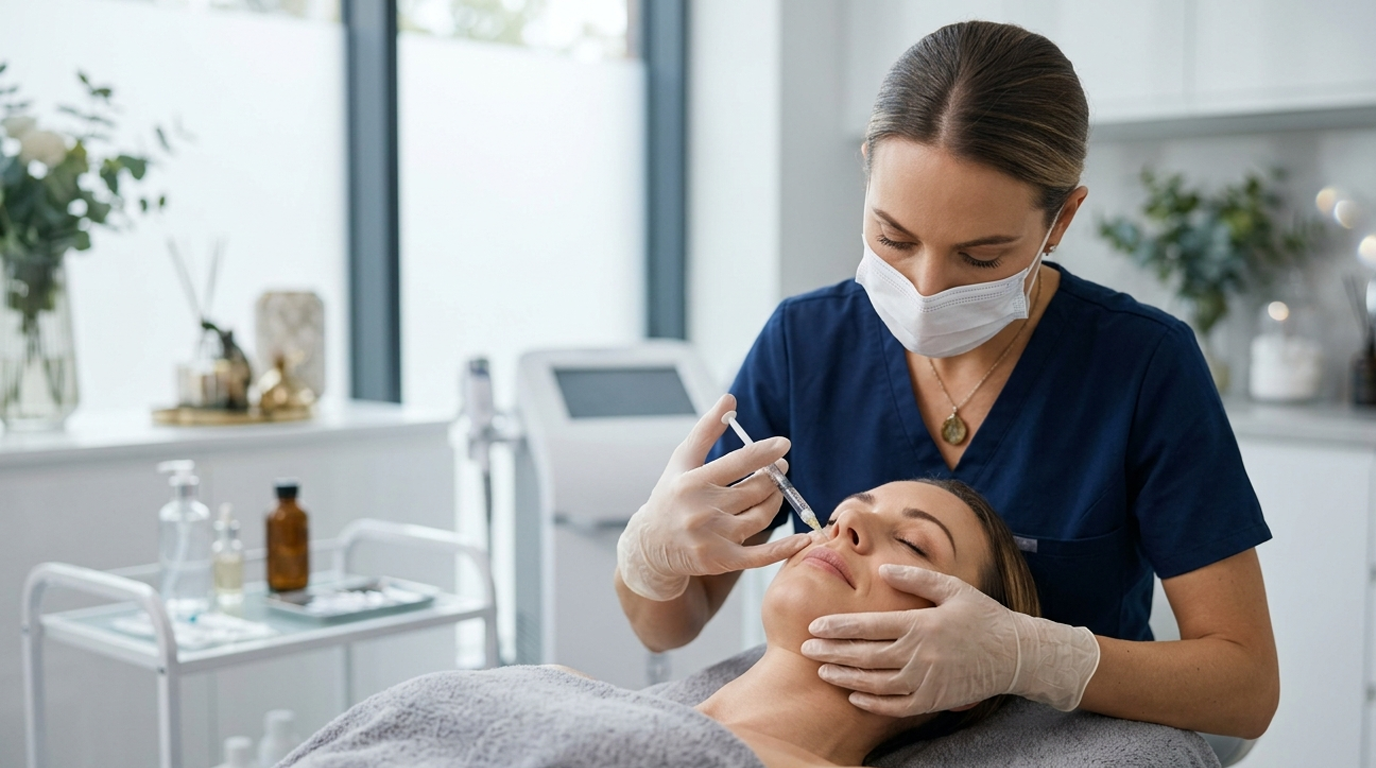
The Secret to Safe Aesthetics: Why Your Choice of Injector Matters
The rise of non-surgical cosmetic procedures has transformed the beauty and wellness industry. Dermal fillers, Botox, thread lifts, and other injectables have become as routine as a visit to the dentist for millions of people worldwide. What used to require a scalpel and weeks of recovery can now be achieved during a lunch break — a "lunchtime procedure," as the industry likes to call it.
But here's the uncomfortable truth hiding behind the glamour: not all injectors are created equal, and the consequences of choosing the wrong one can be devastating. From botched filler migrations to nerve damage and even blindness, the risks of poorly administered injectables are real, serious, and entirely preventable.
The secret to safe aesthetics isn't just the product. It's the person holding the syringe.
The Boom of Injectables — and Its Shadow Side
The global market for aesthetic injectables has exploded over the past decade. Social media has played a massive role in normalizing procedures like lip fillers, jawline contouring, and "baby Botox." Celebrities and influencers openly discuss their treatments, and the stigma that once surrounded cosmetic enhancements has largely faded.
This normalization is, in many ways, a positive thing. People should feel empowered to make choices about their appearance without shame. But the boom has also created a dangerous parallel market: underqualified practitioners offering cut-rate treatments in unregulated settings. Salons, spas, hotel rooms, and even private homes have become makeshift clinics, staffed by individuals whose training may amount to little more than a weekend workshop.
The result? A growing number of complications — some minor, like bruising and asymmetry, and others catastrophic, like tissue necrosis (where skin tissue dies due to blocked blood vessels) or vision loss caused by filler inadvertently entering the retinal artery.
These aren't scare tactics. They are documented medical events, and nearly every one of them traces back to the same root cause: an unqualified or inadequately trained injector.
Anatomy Is Everything
The human face is an extraordinarily complex landscape. Beneath the skin lies a dense, interwoven network of arteries, veins, nerves, muscles, and fat pads — all of which vary from person to person. A safe injection in one patient can be a dangerous one in another, depending on their unique vascular anatomy.

A qualified injectables doctor doesn't just know where to inject. They understand why they're injecting there, what lies beneath the injection site, and what to do if something goes wrong. This depth of knowledge comes from years of medical education, hands-on anatomical training, and ongoing professional development — not from a certificate earned over a single weekend.
Consider the so-called "danger zones" of the face: the glabella (between the eyebrows), the nasolabial folds, and the temples, among others. These areas carry higher risks because of the proximity of critical blood vessels. A skilled physician approaches these zones with precision, appropriate technique, and a thorough understanding of the patient's anatomy. An untrained injector may not even know the danger exists.
Medical Training vs. Cosmetic Certification
One of the biggest misconceptions in the aesthetics world is that anyone who offers injectable treatments must be a doctor. In many countries, regulations are alarmingly lax. Nurses, beauticians, and even individuals with no medical background at all may legally — or illegally — perform injectable procedures, depending on the jurisdiction.
This is where consumers need to be vigilant. There is a world of difference between:
- A board-certified dermatologist or plastic surgeon with years of residency training in skin, tissue, and facial anatomy.
- A general practitioner who has completed accredited advanced training in aesthetic medicine.
- A non-medical professional who attended a short certification course and purchased supplies online.
All three may market themselves as "aesthetic practitioners." Only the first two have the foundational medical knowledge to manage complications, recognize adverse reactions in real-time, and intervene effectively when something goes wrong.
And things do go wrong — even in the best hands. The difference is that a trained physician can manage a vascular occlusion with hyaluronidase, recognize an allergic reaction and administer the right medication, or refer a patient for emergency care without delay. An untrained injector may not even recognize the early signs of a complication, let alone treat one.
What to Look for in an Injectables Doctor
Choosing the right injector is the single most important decision you'll make in your aesthetics journey. Here's what to prioritize:
1. Verified Medical Credentials
Your injector should be a licensed physician — ideally one who specializes in dermatology, plastic surgery, or aesthetic medicine. Don't be afraid to ask about their qualifications. A reputable doctor will be happy to share them.
2. Specialized Training in Injectables
Beyond their medical degree, look for doctors who have completed accredited training programs specifically in injectable treatments. This includes understanding product pharmacology, injection techniques, facial anatomy, and complication management.
3. Experience and Volume
How many procedures has this doctor performed? Experience matters. A physician who administers injectables regularly will have a refined eye for facial proportions, a steady hand, and the ability to tailor treatments to your unique features.
4. A Thorough Consultation Process
A good doctor will never rush you into a procedure. They'll assess your facial anatomy, discuss your goals and expectations, explain the risks and benefits, and create a personalized treatment plan. If a practitioner is willing to inject you on the spot without a proper consultation, consider it a red flag.
5. A Clean, Clinical Environment
Injectables should be administered in a sterile, clinical setting — not a living room, a salon backroom, or a pop-up event. The environment should meet medical-grade hygiene standards, and the products used should be authentic, properly stored, and sourced from authorized distributors.
6. Transparent Before-and-After Portfolio
Ask to see photos of previous patients (with their consent, of course). Consistent, natural-looking results across different patients are a strong indicator of skill and artistry.
The Art Behind the Science
Safe aesthetics isn't purely a medical matter — it's also an art. The best injectables doctors possess an aesthetic sensibility that goes beyond textbook anatomy. They understand facial harmony, proportions, and the subtle differences that make each face unique.
This is why two doctors using the exact same product can produce vastly different results. One may create a refreshed, natural look that enhances the patient's existing features. The other may produce an overdone, "frozen" appearance that looks anything but natural.
A skilled aesthetic physician knows when to say "less is more." They'll guide you away from trends that won't suit your facial structure, and they'll prioritize long-term results over instant gratification. They see themselves not just as technicians, but as artists working with a living canvas — and they treat that responsibility with the gravity it deserves.
The Real Cost of Cutting Corners
It's tempting to chase bargains. When one clinic offers lip fillers for half the price of another, the cheaper option can seem appealing. But in aesthetics, you are not paying for the syringe — you are paying for the skill, knowledge, and safety protocols of the person using it.
Cheap treatments often mean cheap products (sometimes counterfeit), inexperienced injectors, and corners cut on hygiene and aftercare. The cost of correcting a botched procedure — both financially and emotionally — almost always exceeds what you would have spent on a qualified doctor in the first place.
Worse, some complications are irreversible. No amount of money can undo permanent scarring, chronic pain, or vision loss.
Empowering Yourself as a Patient
The aesthetics industry thrives on trust, and that trust must be earned. As a patient, you have every right to:
- Ask questions about your doctor's qualifications and training.
- Request to see the product packaging and verify its authenticity.
- Walk away from any situation that feels rushed, pressured, or unprofessional.
- Seek a second opinion before committing to a treatment plan.
- Report unqualified practitioners to the appropriate medical regulatory body.
Your face is not a practice canvas. It deserves the care of someone who has invested years in learning how to treat it safely and beautifully.
The Bottom Line
The secret to safe aesthetics has never been a miracle product or a viral technique. It's the doctor. It's their training, their experience, their ethical standards, and their commitment to your safety above all else.
In a world where anyone with a syringe and a social media page can call themselves an "injector," your most powerful tool as a patient is discernment. Do your research. Verify credentials. Prioritize safety over savings.
Because when it comes to your face, the person behind the needle matters more than anything else.


Leave a comment
This site is protected by hCaptcha and the hCaptcha Privacy Policy and Terms of Service apply.