
The Hidden Cost of Sun Exposure | By Dr Naomi Mackle
Sunlight is essential for life, but chronic, unprotected exposure is one of the most significant contributors to skin damage I see in clinic every day. From early signs of ageing to the development of skin cancer, ultraviolet (UV) radiation has a profound and cumulative effect on the skin.
Understanding UV Damage
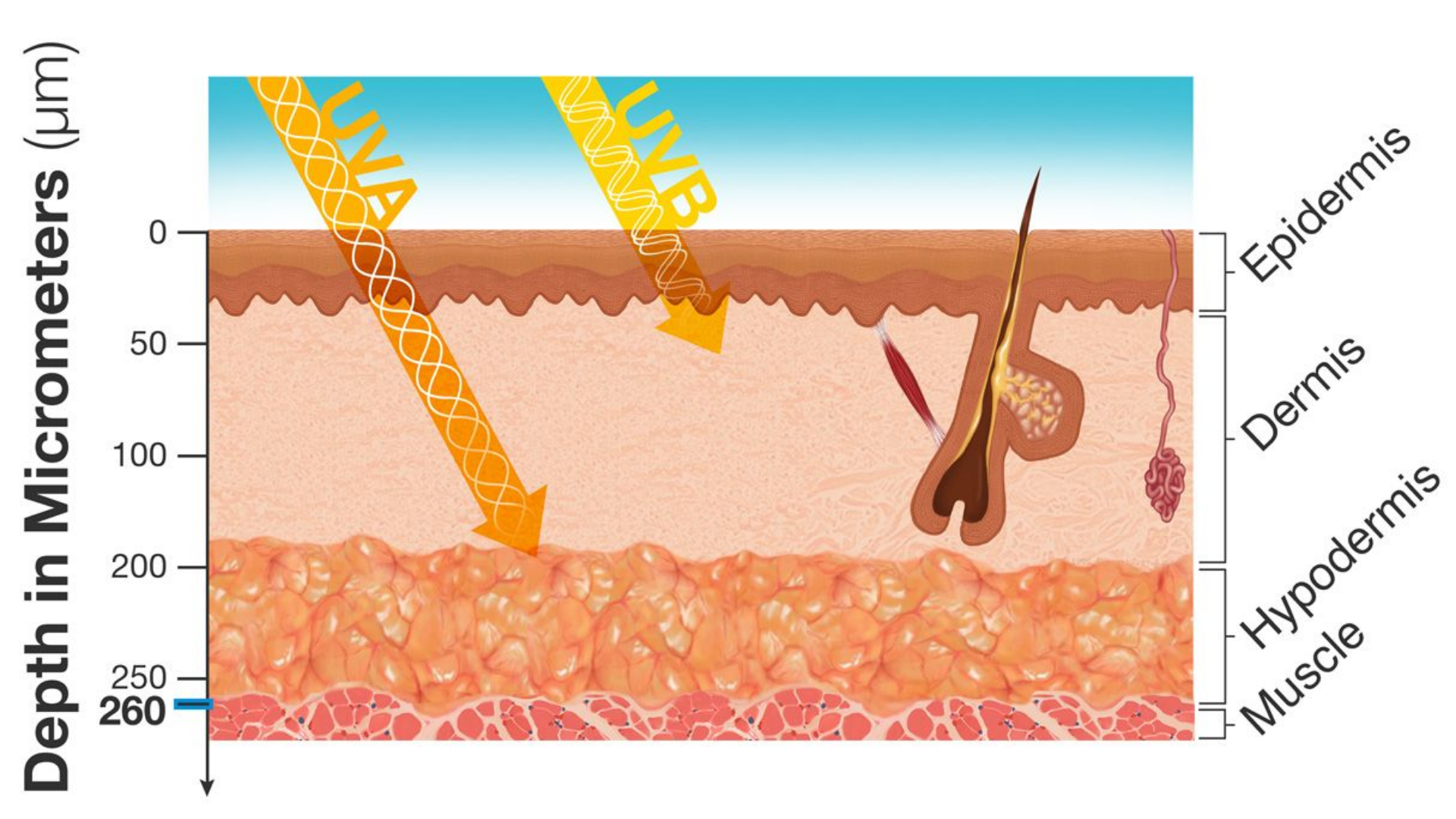
UV radiation is divided into two main types that affect the skin:
- UVA rays penetrate deeply into the dermis. They are present all year round, even on cloudy days, and are primarily responsible for premature ageing.
- UVB rays affect the outer layers of the skin and are the main cause of sunburn and direct DNA damage.
Both contribute to long-term skin changes and significantly increase your risk of skin cancer.
Premature Ageing: The Silent Impact
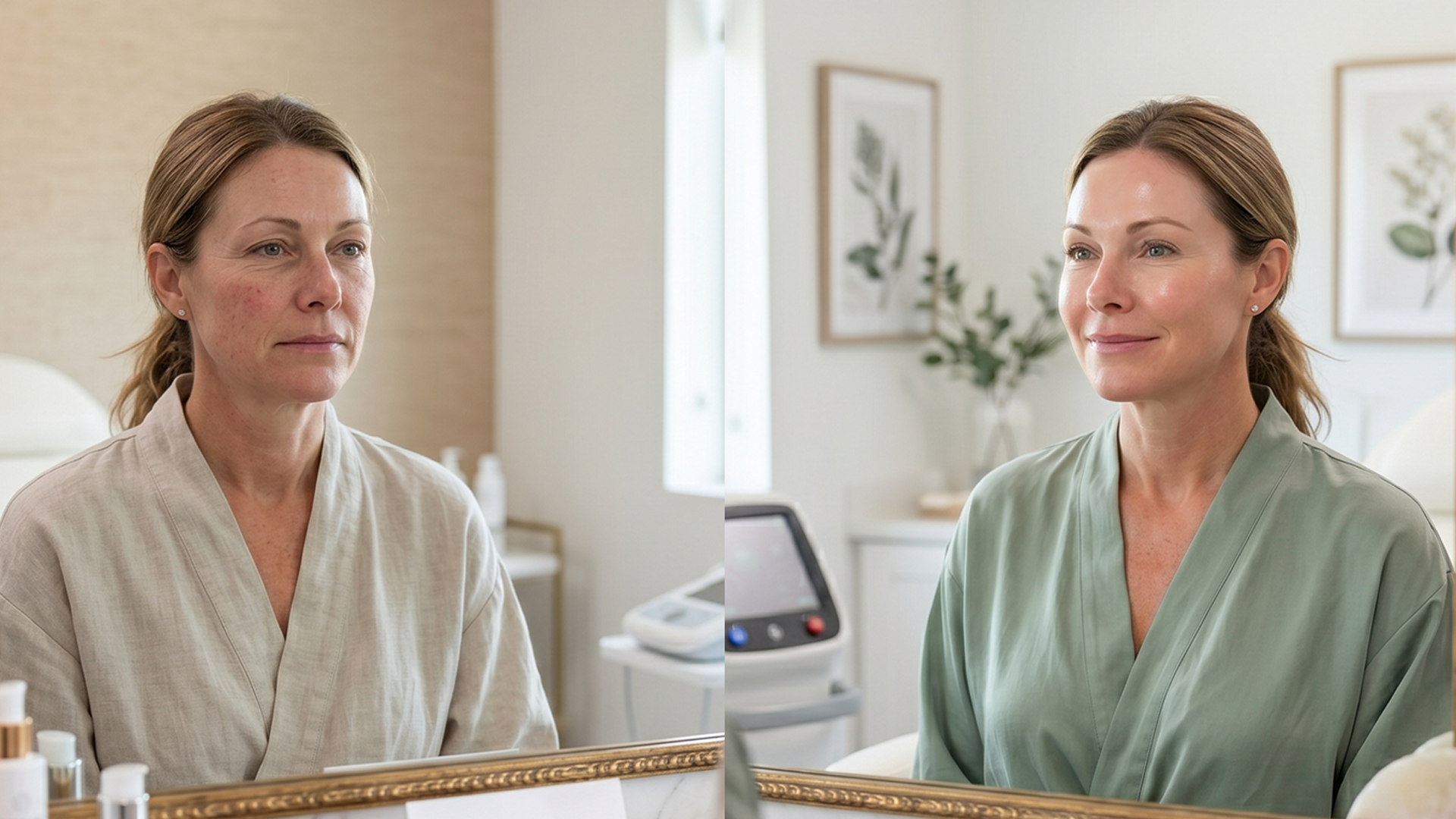
One of the most visible consequences of sun exposure is photoageing, a process driven largely by UVA radiation.
Over time, UV exposure breaks down collagen and elastin, the structural proteins that keep skin firm and resilient. This leads to:
- Fine lines and deeper wrinkles
- Loss of skin elasticity
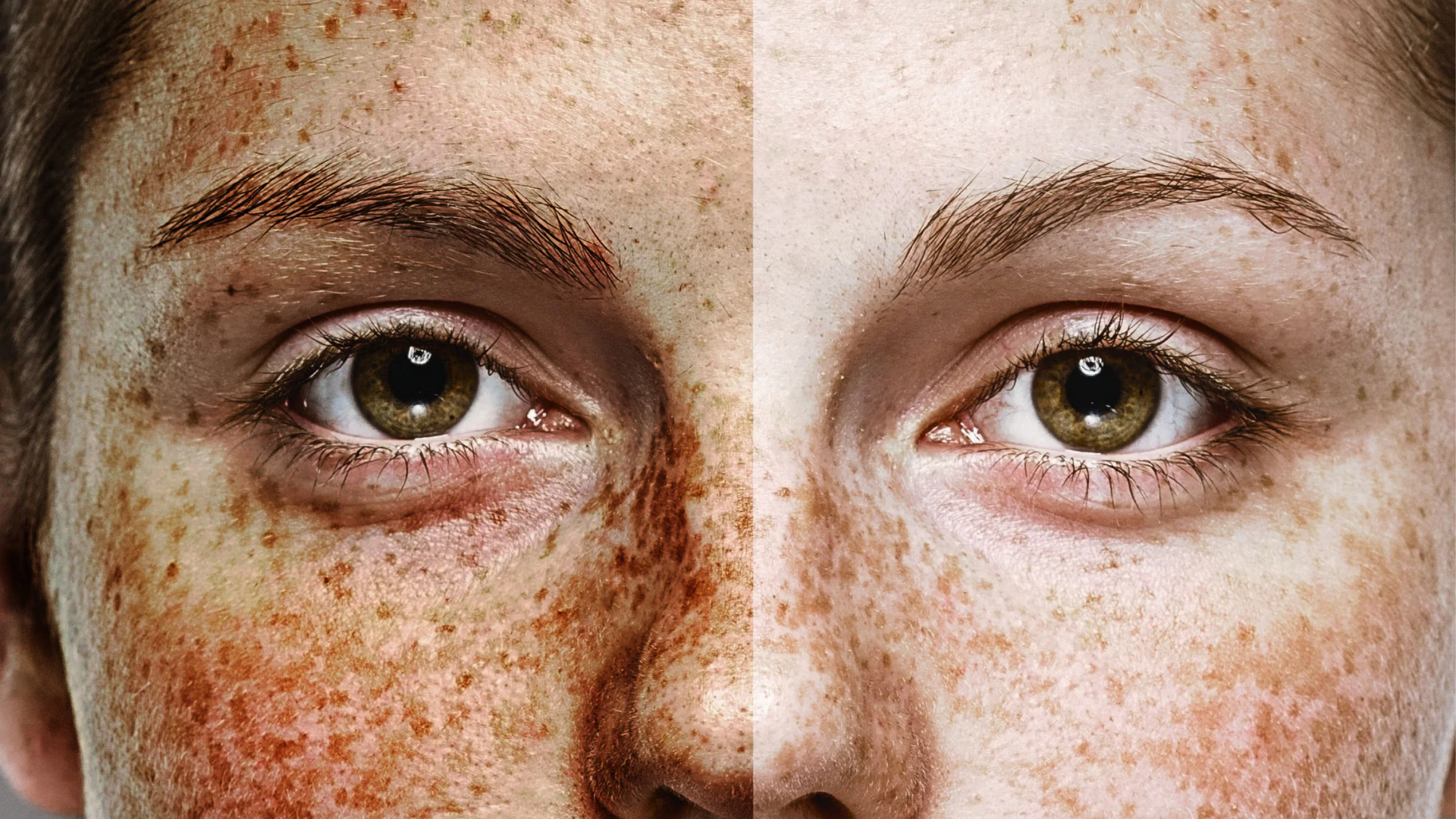
- Uneven skin tone and pigmentation
- Rough, leathery texture
In fact, up to 80–90% of visible facial ageing is attributed to sun exposure rather than natural ageing alone. This is why consistent photoprotection is one of the most effective anti-ageing strategies available.
Pigmentation and Uneven Skin Tone
UV exposure stimulates melanocytes, the cells responsible for pigment production. This can lead to:
- Sunspots (solar lentigines)
- Melasma
- Post-inflammatory hyperpigmentation
These changes are often stubborn and difficult to treat, particularly if ongoing sun exposure is not addressed.
Skin Cancer: The Most Serious Consequence
While cosmetic concerns are significant, the most important reason to protect your skin is the prevention of skin cancer.
The three most common types I diagnose are:
- Basal Cell Carcinoma (BCC): The most common, typically slow-growing but can cause local tissue damage if untreated
- Squamous Cell Carcinoma (SCC): More aggressive, can spread if not treated early
- Melanoma: The most serious form, with the potential to spread rapidly to other parts of the body
These cancers are strongly linked to cumulative UV exposure and, in the case of melanoma, intermittent intense sun exposure and sunburn.
Prevention: A Daily Clinical Priority
The majority of sun-related skin damage is preventable. In my clinical practice, I emphasise a few key principles:
- Daily broad-spectrum SPF 50+ on all exposed areas, including the face, neck, and hands
- Reapplication every 2 hours when outdoors
- Use of antioxidant skincare to help neutralise free radical damage
- Protective measures such as hats and seeking shade
- Regular skin checks and professional mole screening
Consistent sun protection is not just about avoiding sunburn on holidays, it is a year-round commitment, particularly in climates like Ireland where UVA exposure remains constant.
Final Thoughts
Sun damage is cumulative, often invisible in its early stages, but always progressing beneath the surface. The choices you make today will directly impact the health and appearance of your skin in the years to come.
From both a medical and aesthetic perspective, daily sun protection is one of the most important investments you can make in your skin.

Leave a comment
This site is protected by hCaptcha and the hCaptcha Privacy Policy and Terms of Service apply.