
UVA vs UVB: What Actually Matters for Skin Ageing?
Sun exposure is one of the primary causes of premature skin ageing. While many people associate UV damage with sunburn, the majority of long-term skin changes occur silently over time.
Understanding the difference between UVA and UVB radiation is essential for protecting the skin effectively.
What is UVB?
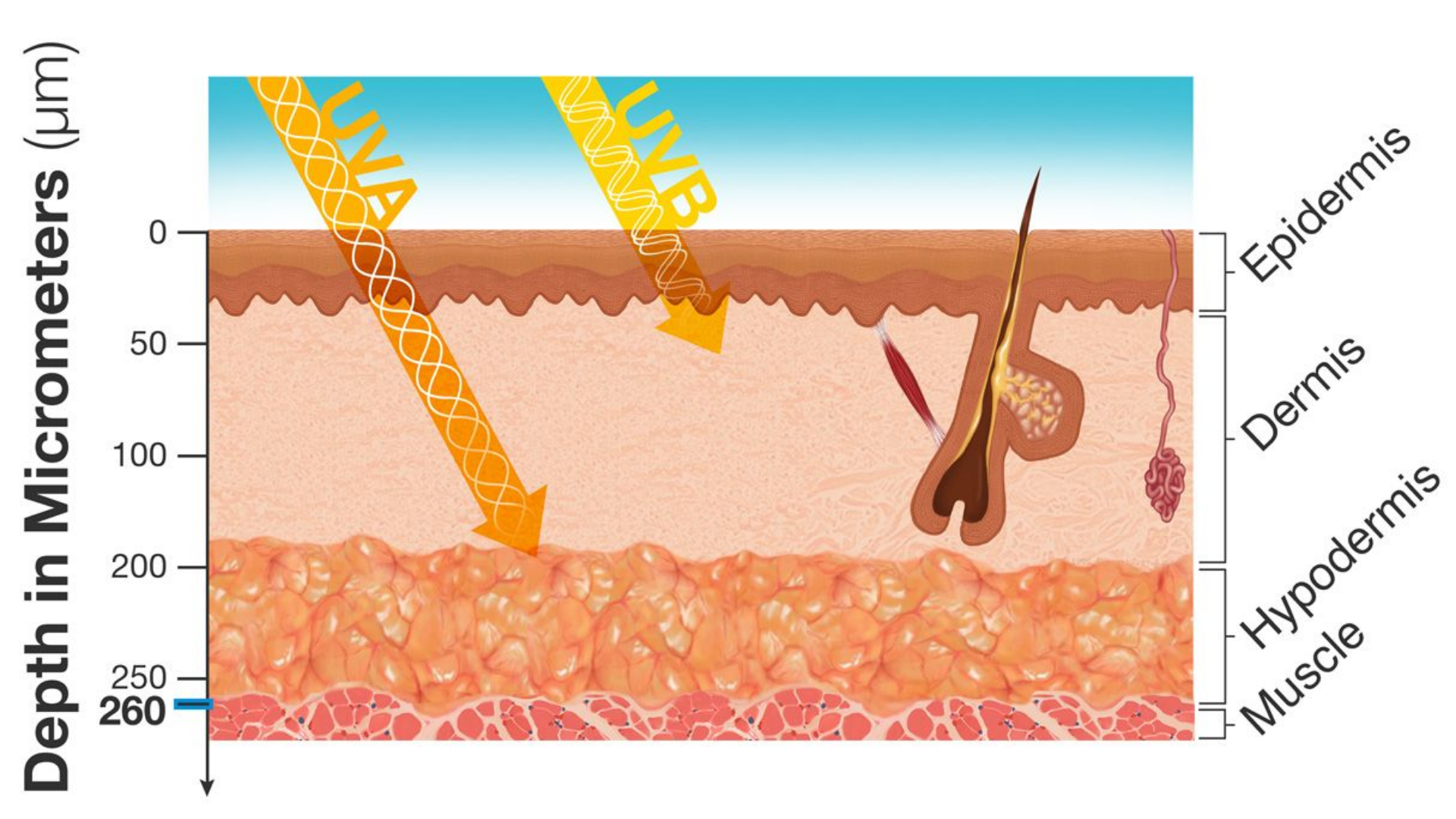
UVB radiation primarily affects the epidermis, the outermost layer of the skin.
It is responsible for:
- Sunburn
- Direct DNA damage
- A significant proportion of skin cancer risk
UVB intensity varies depending on the time of day and season, with higher exposure during sunnier months.
SPF ratings are based on protection against UVB radiation.
Clinical relevance: UVB causes acute, visible damage and plays a key role in carcinogenesis.
What is UVA?
UVA radiation penetrates more deeply into the skin, reaching the dermis.
It is associated with:
- Photoageing (fine lines, wrinkles, loss of elasticity)
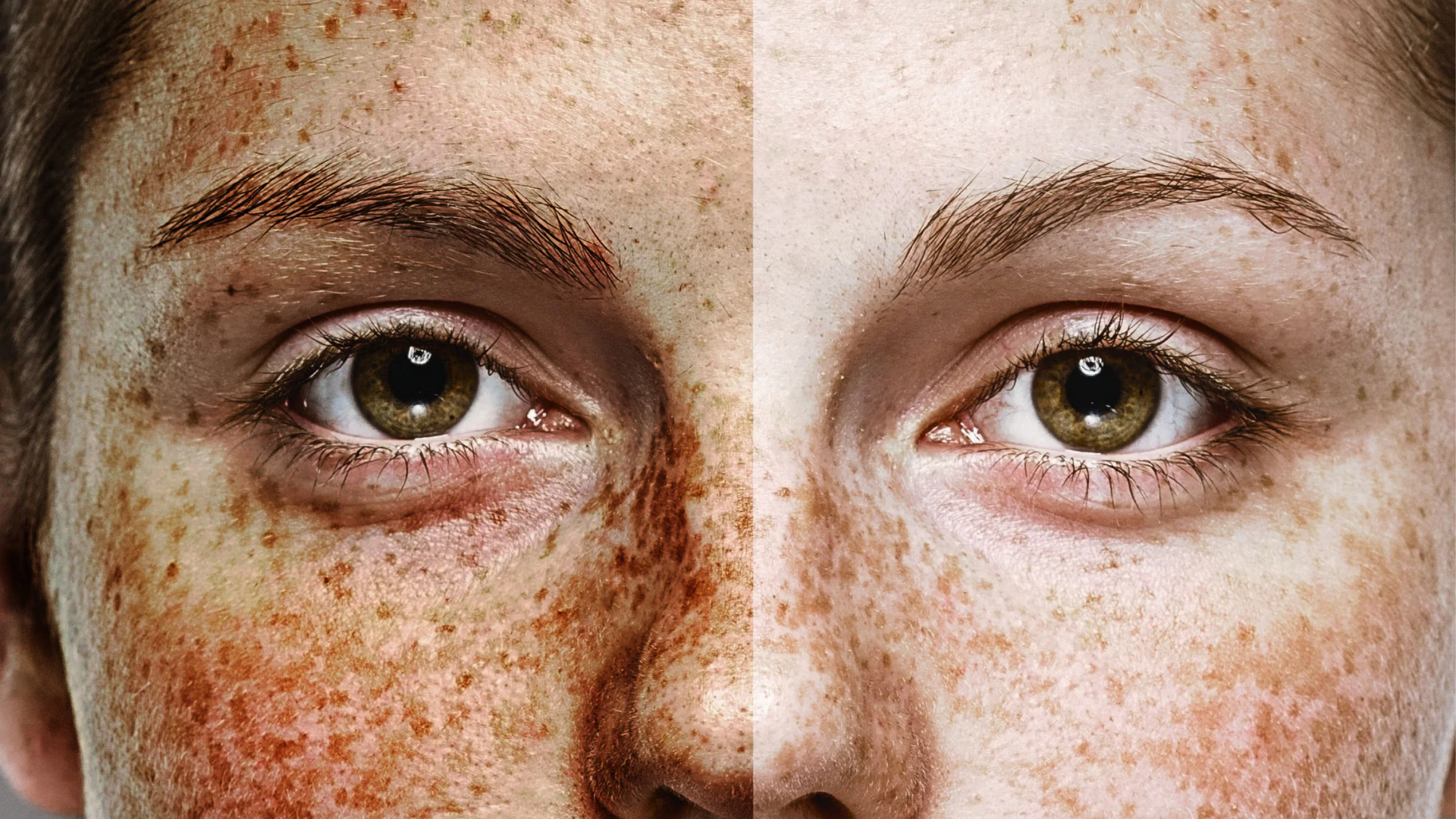
- Pigmentation disorders
- Breakdown of collagen and elastin
- Indirect DNA damage through oxidative stress
Unlike UVB, UVA is present consistently throughout the year, regardless of weather conditions, and can penetrate glass.
Clinical relevance: UVA is the dominant contributor to chronic skin ageing and cumulative photodamage.
Which matters more for ageing?
From a dermatological perspective, UVA exposure is the primary driver of premature skin ageing.
Chronic, low-level exposure leads to:
- Progressive collagen degradation
- Skin laxity
- Uneven pigmentation
- Accelerated visible ageing
Importantly, this damage occurs even in the absence of sunburn.
In countries like Ireland, where UVB levels are often lower, UVA exposure remains significant year-round and should not be overlooked.
Why SPF alone is not enough
SPF is a measure of protection against UVB only.
It does not provide a clear indication of the level of UVA protection offered by a product. As a result, individuals may be adequately protected against burning while still experiencing ongoing UVA-induced skin damage.
For comprehensive protection, a broad-spectrum sunscreen is required.
Best practice for daily photoprotection
Dermatology guidelines recommend:
- Daily use of broad-spectrum SPF 50+
- Reapplication every 2 hours with prolonged exposure
- Additional protection such as hats and shade when possible
- Year-round use, not limited to sunny weather
For patients concerned with ageing, pigmentation, or rosacea, consistent UVA protection is particularly important.
Clinic recommendation
In clinic, our doctors recommend medical-grade, broad-spectrum sunscreens as part of every routine.
We frequently recommend sunscreens from the REFORM Skincare range, including the SPF 50+ Antioxidant Sunscreen, due to its exceptional level of protection, including UVA coverage up to 380nm.
This level of protection helps to:
- Reduce cumulative photodamage
- Support collagen preservation
- Minimise pigmentation and premature ageing
The bottom line
- UVB causes sunburn and contributes to skin cancer
- UVA penetrates deeper and drives long-term skin ageing
- Both require consistent, daily protection
Effective photoprotection is one of the most important steps in maintaining healthy skin and preventing premature ageing.
Daily use of a high-quality, broad-spectrum sunscreen remains a cornerstone of dermatological care.


Leave a comment
This site is protected by hCaptcha and the hCaptcha Privacy Policy and Terms of Service apply.