
Managing Peri-Oral Dermatitis and Sensitive Skin: Less Is Often More
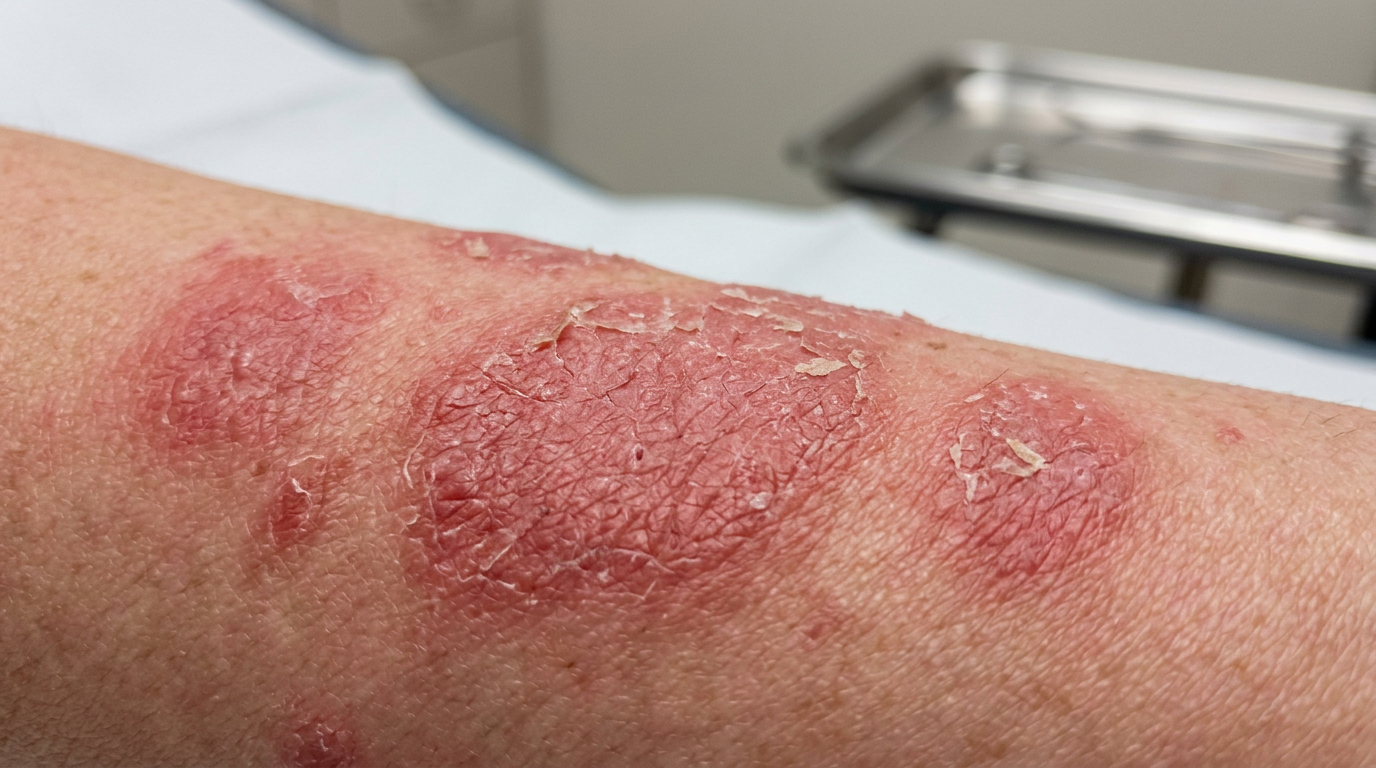
Peri-oral dermatitis is one of the most common presentations we see across our Dublin, Limerick and London clinics, and also one of the most frustrating for patients by the time they reach us. It typically shows up as a persistent, sometimes flaky, papular rash clustered around an orifice — an opening in the skin. Most often that means around the mouth, which is where the name comes from, but exactly the same rash can appear around the nostrils or around the eyes, since these are orifices too. Wherever it appears, the pattern, the cause and the fix are usually the same.
Why This Rash Is So Often Misdiagnosed
By the time patients see one of our dermatology specialists, most have already been to a GP, a pharmacist, or another healthcare professional, and often more than one. Peri-oral dermatitis is frequently mistaken for eczema, ordinary acne, or a simple irritation, and a range of over-the-counter and prescribed products have usually already been tried without success. This matters, because until it is treated correctly, this rash simply does not resolve on its own — it can persist for months or even years, gradually getting worse rather than better, while patients cycle through products that were never going to fix the underlying problem.

The single most common misstep we see is a topical steroid. It is an understandable choice from the outside — the rash is red and inflamed, and steroids reduce inflammation — but for peri-oral dermatitis specifically, a topical steroid acts like fertiliser. It may calm the redness briefly, but it makes the underlying condition considerably worse, and often triggers a rebound flare that is more extensive than the original rash once the steroid is stopped. If you've been using a steroid cream on facial redness around your mouth, nose or eyes and it keeps coming back worse, this is very likely why.
It Should Happen Once — Not Again and Again
Under normal circumstances, peri-oral dermatitis is something we would expect a patient to experience once, treat correctly, and not see again. What we are increasingly seeing in clinic, however, is patients presenting with repeat episodes, sometimes several times over a year or two. When this happens, it's a clear signal that something in the patient's daily skincare regime is irritating the skin and repeatedly triggering it, and it means we need to look much more closely at exactly what is being applied to the skin every day, not just treat the current flare in isolation.
Common Culprits We See in Clinic
Two ingredients come up again and again in patients with recurrent peri-oral dermatitis, particularly in our late-twenties and early-thirties patients who are actively building an anti-ageing or anti-acne skincare routine.

The first is topical tretinoin. It's an effective anti-ageing ingredient, but it is also genuinely irritating for a meaningful number of patients, and repeated irritation around the mouth and nose is a classic trigger for peri-oral dermatitis to recur. Rather than abandoning retinoids altogether, we generally recommend swapping to the REFORM Skincare Retinol 1%, a derivative of retinyl palmitate. It delivers the anti-ageing benefits patients are looking for — improved cell turnover and collagen support — without stripping the skin the way tretinoin often does.
The second common culprit is salicylic acid foaming cleansers, which are extremely popular for oily, acne-prone skin, and for good reason — they're genuinely effective at controlling oil and breakouts. But in a patient with repeat peri-oral dermatitis, this kind of cleanser is often exactly what's keeping the cycle going. In these cases, we recommend switching to either a glycolic acid foaming cleanser, which is gentler on the surrounding skin while still addressing oil and texture, or the REFORM Skincare Gentle Hydrating Cleanser for patients whose skin needs a real step back from active exfoliation altogether.
Rebuilding the Skin Barrier

Where the skin barrier itself has been compromised, whether by the rash, by previous steroid use, or by the irritating products that triggered it in the first place, cleansing and actives alone are not enough — the barrier needs active support. We often recommend a daily Phytobotanical Gel or a Vitamin B5 gel specifically for this, paired with an Intensive Moisturiser combining hyaluronic acid and niacinamide. This combination is genuinely very hydrating without being remotely greasy, which matters for patients who are already anxious about anything heavy or occlusive sitting on inflamed, sensitive skin.
This is really the core philosophy behind managing peri-oral dermatitis and sensitive skin generally: less is often more. A stripped-back regime, built around genuinely gentle, barrier-supporting products, resolves this condition far more reliably than adding another active ingredient to try to calm it down. Once the skin has settled and the barrier is genuinely restored, actives like retinol can usually be reintroduced carefully, in a gentler form and at a pace the skin can actually tolerate.
Getting the Right Diagnosis and the Right Plan
Peri-oral dermatitis is a clinical diagnosis, and correctly identifying it, rather than treating it as eczema, acne or general irritation, is what actually allows it to resolve rather than smoulder on for months or years. Just as importantly, if you've had it more than once, the real answer usually isn't a new cream to fight the current flare — it's a proper review of everything currently in your skincare routine, so we can identify and remove whatever is triggering it in the first place.
At Adare Dermatology Clinics, across Dublin, Limerick, or London, our dermatology specialists see this presentation regularly, and we know how disheartening it is to have tried multiple products and treatments without success. If you have persistent redness around your mouth, nose or eyes, particularly if it has come back more than once, book a consultation with one of our dermatologists. We'll identify what's actually driving it, simplify your regime to what your skin genuinely needs, and get you to a place where it doesn't come back.

Leave a comment
This site is protected by hCaptcha and the hCaptcha Privacy Policy and Terms of Service apply.