

Butt Crack Melanoma: What It Is, Why It Can Be Missed, and When to Get Checked
Melanoma is often thought of as a skin cancer linked to sun exposure: a changing mole on the back, a dark mark on the shoulder, or an unusual patch on the face or legs. But melanoma can appear in places that rarely, if ever, see the sun. One such area is the crease between the buttocks, commonly called the butt crack or intergluteal cleft.
Although melanoma in this area is uncommon, it matters because it can be difficult to notice. The location makes self-checking awkward, symptoms may be mistaken for piles, irritation, fungal infection, eczema, spots, ingrown hairs, or friction, and many people feel embarrassed to mention changes around the buttocks or anus. That delay can allow a dangerous skin cancer to grow before it is examined.
This article explains what butt crack melanoma is, what signs to look for, why it may occur, how it is diagnosed, and when to seek medical advice. It is not a substitute for a medical assessment, but it can help you understand why changes in hidden skin should never be ignored.
What Is Melanoma?
Melanoma is a type of skin cancer that starts in melanocytes, the cells that produce melanin, the pigment that gives skin its colour. Melanoma is less common than some other skin cancers, such as basal cell carcinoma and squamous cell carcinoma, but it is generally more serious because it can spread to other parts of the body if not found and treated early.
Most melanomas appear on the skin, but they can also develop in less visible areas, including:
- The scalp
- Under the nails
- The soles of the feet
- The genital area
- The anus or surrounding skin
- The buttocks and buttock crease
- Inside the mouth or eyes, though this is rarer
Melanoma in the butt crack may involve the skin of the intergluteal cleft, the perianal area around the anus, or, more rarely, the anal canal. These are sensitive areas where many different conditions can cause lumps, itching, bleeding, or soreness, which is why melanoma there may be overlooked.
Can You Really Get Melanoma in the Butt Crack?
Yes. Melanoma can develop anywhere melanocytes are present, including areas not usually exposed to sunlight. While ultraviolet radiation from the sun or sunbeds is a major risk factor for many melanomas, it is not the only factor involved.
Melanomas that appear in hidden or less sun-exposed areas may have different triggers or risk patterns. Some may arise from existing moles, while others appear as new marks. In the butt crack or perianal area, melanoma may present as a dark patch, an irregular mole, a lump, a sore that does not heal, or unexplained bleeding.
Because the area is hard to inspect, a person may not notice a visible change at first. Instead, they might notice discomfort, itching, staining on toilet paper, pain when sitting, or a small lump. These symptoms can overlap with much more common conditions, but that is exactly why persistent or unusual changes should be checked.
Why Butt Crack Melanoma Can Be Missed
There are several reasons melanoma in this area may be diagnosed later than melanoma on more visible skin.
First, the buttock crease is difficult to see without a mirror or help from another person. Many people do not routinely check the area during skin self-examinations.
Second, symptoms may seem ordinary. Itching, soreness, a rash, bleeding, or a spot near the anus may be blamed on haemorrhoids, sweating, chafing, skin tags, abscesses, or fungal infections. These are far more common than melanoma, but a common explanation is not always the correct one.
Third, embarrassment can delay medical attention. People may feel awkward discussing symptoms involving the buttocks, anus, or genitals. However, doctors examine intimate areas routinely and professionally. A short appointment can make the difference between early treatment and a delayed diagnosis.
Finally, not all melanomas look like the classic dark, uneven mole. Some are pink, red, skin-coloured, or lightly pigmented. These are called amelanotic melanomas and can be especially easy to mistake for benign irritation or a small wound.
Signs and Symptoms to Watch For

A melanoma in the butt crack may look or feel different from person to person. Warning signs can include:
- A new mole, freckle, dark patch, or coloured mark in the buttock crease
- A mole that changes in size, shape, colour, or texture
- A mark with uneven edges or several shades of brown, black, red, pink, blue, grey, or white
- A lump, nodule, or raised area that grows
- A sore, ulcer, or crack that does not heal
- Bleeding, oozing, crusting, or scabbing without a clear reason
- Persistent itching, burning, tenderness, or pain
- A patch that looks different from other marks on your skin
- A wart-like, skin-tag-like, or haemorrhoid-like growth that changes or bleeds
The well-known ABCDE rule can be helpful when assessing moles:
| Letter | Meaning | What to look for |
|---|---|---|
| A | Asymmetry | One half does not match the other |
| B | Border | Edges are irregular, blurred, jagged, or notched |
| C | Colour | The mark has multiple colours or an unusual shade |
| D | Diameter | It is larger than about 6 mm, or is growing |
| E | Evolving | It changes, bleeds, itches, crusts, or becomes painful |
However, the ABCDE rule is not perfect. Some melanomas are small. Some are pale. Some appear as firm lumps rather than flat moles. The most important warning sign is change, especially a change that persists or worsens.
Possible Risk Factors
Anyone can develop melanoma, including people with darker skin. It is less common in darker skin tones but may be diagnosed later because suspicious marks are not always expected or recognised.
Risk factors for melanoma can include:
- A personal or family history of melanoma
- Many moles or unusual-looking moles
- Fair skin, freckles, red or blond hair, or skin that burns easily
- Previous severe sunburns, especially in childhood
- Sunbed use
- A weakened immune system
- Increasing age
- Certain genetic factors
- A history of other skin cancers
For melanoma in less sun-exposed areas, ultraviolet exposure may not explain everything. Genetics, random cell changes, chronic irritation, immune factors, or existing pigmented lesions may play a role. Importantly, the absence of sun exposure in the buttock crease does not rule out melanoma.
Conditions It Can Be Mistaken For
Many harmless or less serious conditions can occur around the buttocks and anus. These include haemorrhoids, anal fissures, cysts, boils, abscesses, fungal infections, eczema, psoriasis, folliculitis, skin tags, warts, and irritation from sweating or friction.
Because these conditions are common, it is understandable to assume a sore or itchy patch is not serious. But there are clues that should prompt a medical check:
- The area does not improve with usual care
- Symptoms last more than a few weeks
- A mark is growing or changing
- There is unexplained bleeding
- A lump becomes firmer, darker, irregular, or painful
- You notice a new pigmented patch where there was none before
- Treatment for a presumed rash, fungal infection, or haemorrhoid does not work
A doctor may be able to reassure you quickly. If there is any concern, they can arrange further assessment.
How Doctors Diagnose It
Diagnosis usually begins with a physical examination. A GP, dermatologist, colorectal specialist, or another trained clinician may inspect the area with good lighting and may use a dermatoscope, a handheld tool that magnifies skin structures.
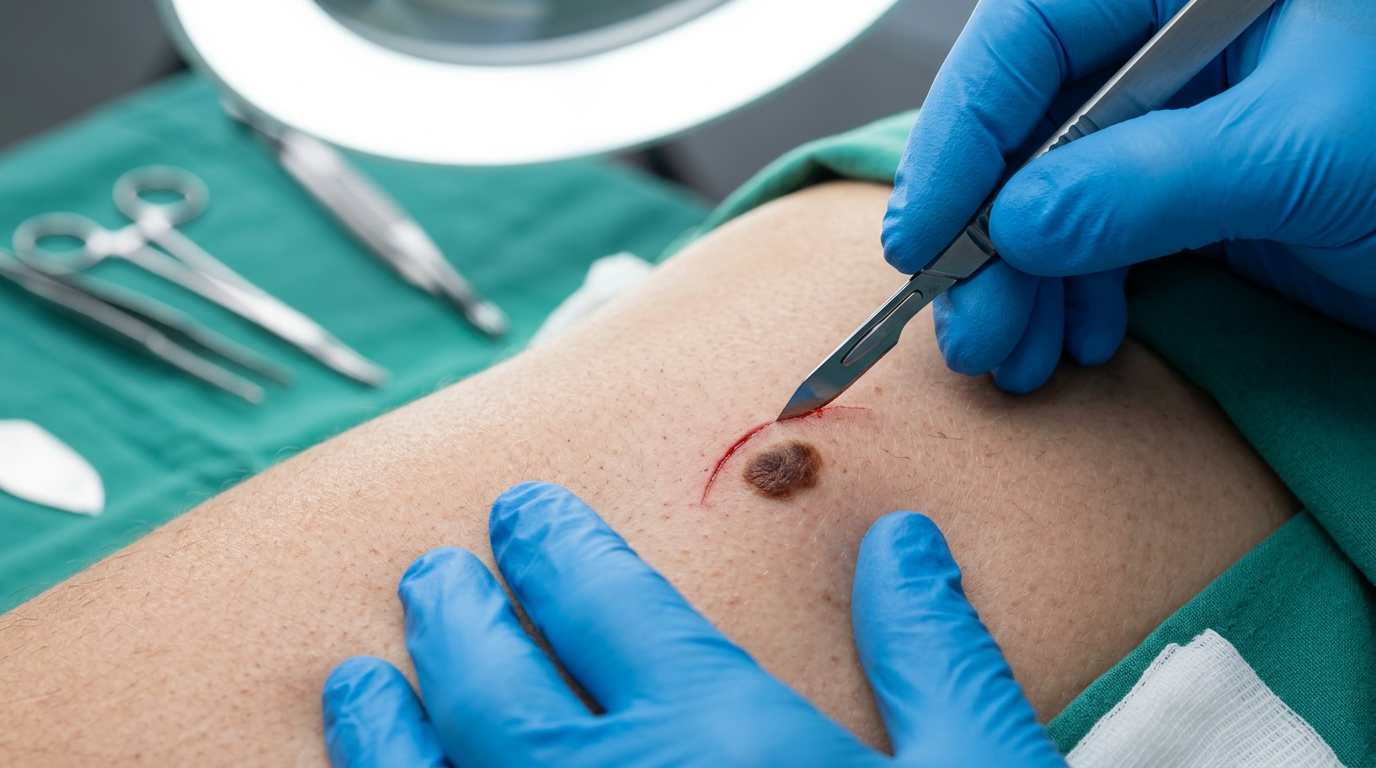
If the mark or lesion looks suspicious, the next step is usually a biopsy. This means removing part or all of the abnormal area so it can be examined under a microscope. A biopsy is the only reliable way to confirm whether a lesion is melanoma.
If melanoma is diagnosed, further tests may be needed depending on the depth, location, and features of the tumour. These might include checking nearby lymph nodes or arranging imaging scans. The treatment plan depends on the stage and whether the melanoma has spread.
Treatment Options
Treatment varies according to the melanoma’s size, depth, exact location, and stage. Early melanoma is often treated with surgical removal, including a margin of normal-looking tissue around it to reduce the chance of cancer cells being left behind.
If the melanoma is near the anus or involves deeper tissues, treatment may require input from both dermatology and colorectal teams. In more advanced cases, treatment may include lymph node assessment, immunotherapy, targeted therapy, radiotherapy, or more extensive surgery.
Modern melanoma treatment has improved significantly in recent years, particularly with immunotherapy and targeted medicines. Even so, early diagnosis remains extremely important. The thinner and more localised a melanoma is when found, the better the outlook tends to be.
How to Check the Area
Checking hidden skin can feel awkward, but it is a sensible part of a full skin self-examination, especially if you have risk factors for melanoma.
You can:
- Use a handheld mirror and a full-length mirror in good lighting.
- Check the buttocks, the crease between them, and the skin around the anus.
- Look for new marks, changing moles, sores, lumps, colour changes, or bleeding areas.
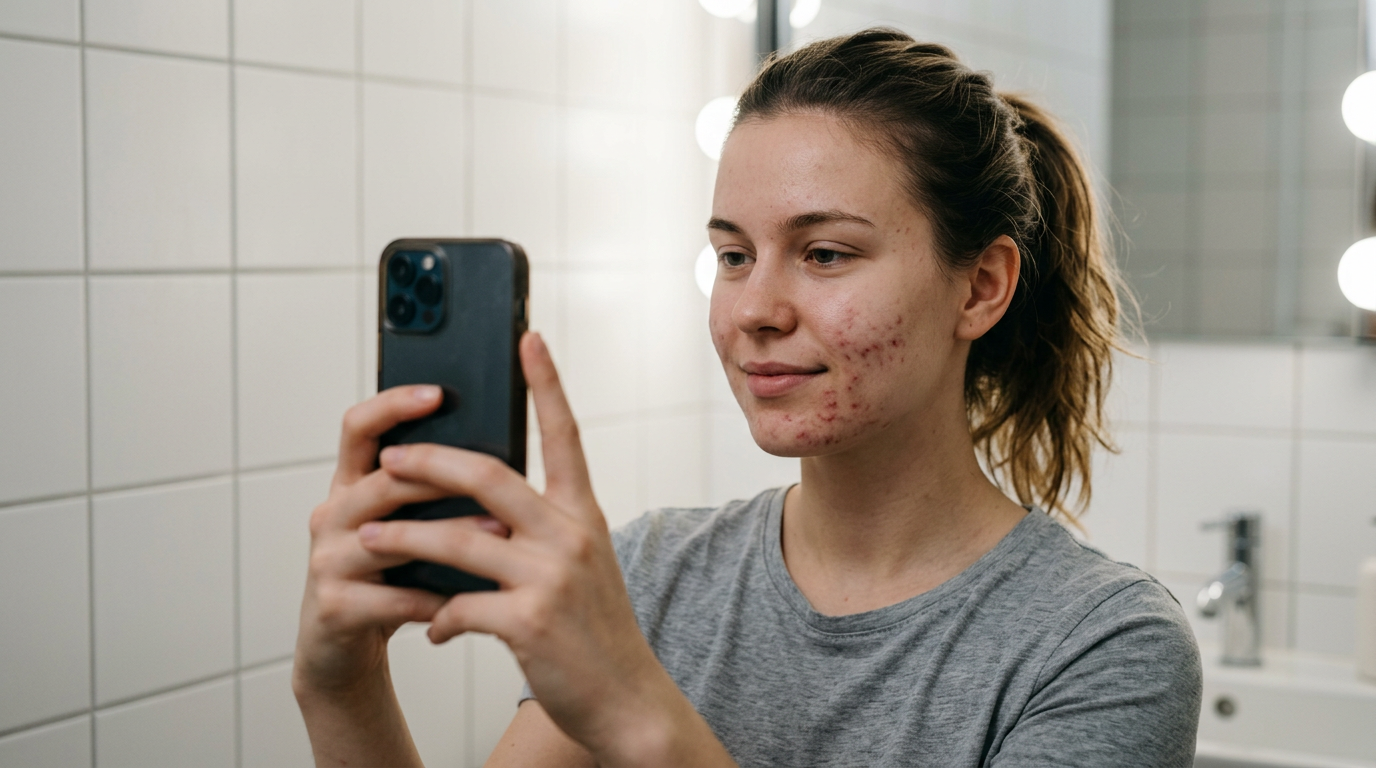
- Take a photo of anything unusual so you can compare changes over time.
- Ask a partner, trusted person, or clinician to help check areas you cannot see properly.
Do not rely only on pain as a warning sign. Melanoma may not hurt in the early stages. A painless changing mark can still be important.
When to See a Doctor
Book a medical appointment if you notice any new, changing, bleeding, or non-healing mark in the buttock crease or around the anus. You should also seek advice if you have persistent itching, soreness, or a lump that does not settle.
It is particularly important to get checked if a lesion:
- Changes over weeks or months
- Has irregular colour or borders
- Bleeds without obvious injury
- Does not heal
- Looks unlike your other moles or marks
- Keeps returning after seeming to improve
- Is associated with swollen glands, unexplained weight loss, or ongoing pain
Urgent assessment is sensible if bleeding is heavy, pain is severe, there is a rapidly growing lump, or you feel generally unwell.
Reducing Your Overall Melanoma Risk
Not every melanoma can be prevented, especially those arising in hidden or less sun-exposed areas. Still, you can reduce your overall risk by protecting your skin from ultraviolet damage.
Helpful steps include:
- Avoid sunbeds.
- Use broad-spectrum sunscreen on exposed skin.
- Wear protective clothing, sunglasses, and a wide-brimmed hat in strong sun.
- Seek shade when ultraviolet levels are high.
- Avoid burning.
- Check your skin regularly, including hidden areas.
- Attend routine skin checks if you have a history of melanoma or many unusual moles.
Sun protection is still important even though butt crack melanoma is not usually linked to direct sun exposure. Melanoma risk reflects the whole person, not just one patch of skin.
Overcoming Embarrassment
It is natural to feel embarrassed about symptoms in intimate areas, but doctors are used to examining every part of the body. A healthcare professional will not be shocked by a mole, rash, lump, or bleeding near the buttocks. For them, it is a routine medical concern.
A useful way to approach the appointment is to be direct: “I have a changing mark in the crease between my buttocks,” or “I have a sore near my anus that has not healed.” Clear language helps the clinician understand the issue quickly.
You can ask for a chaperone, request a clinician of a particular gender if available, or bring someone you trust. What matters most is not letting embarrassment delay care.
Final Thoughts
Butt crack melanoma is rare, but it is possible. Because the area is hidden and symptoms can resemble common problems such as haemorrhoids, fungal infections, cysts, or irritation, suspicious changes may be missed. Any new, changing, bleeding, painful, itchy, or non-healing mark in the buttock crease or around the anus deserves medical attention.
Most unusual symptoms in this area will not be melanoma, but only an examination can tell. Early detection gives the best chance of effective treatment, so it is always better to get checked than to wait and worry.
If you have noticed any suspicious spots or changes, book a consultation at your nearest Adare Dermatology Clinic in
Dublin, Limerick, or London to get evaluated by a professional. Most unusual symptoms in this area will not be melanoma, but early detection gives the best chance of effective treatment—it is always better to get checked than to wait and worry.

Leave a comment
This site is protected by hCaptcha and the hCaptcha Privacy Policy and Terms of Service apply.