
Is It Time to Remove That Mole? Cosmetic vs. Medical Indications
Moles are a normal part of human skin. Some people have only a handful, while others have dozens scattered across the face, neck, arms, back, chest, legs or scalp. Most moles are harmless and remain stable for years. Others may change over time, become irritated, or simply sit in a place where they affect confidence, grooming, clothing choices or comfort.
The decision to remove a mole usually falls into one of two broad categories: cosmetic or medical. Cosmetic mole removal is typically about appearance, self-consciousness or convenience. Medical mole removal is about investigating or treating a lesion that may be abnormal, suspicious or potentially cancerous.
Knowing the difference matters. A mole that bothers you aesthetically may be suitable for a straightforward removal procedure, but a mole that shows warning signs should be assessed properly before any cosmetic treatment is considered. In some cases, removal is not just about smoother skin or improved confidence; it may be an important step in diagnosing or preventing a serious condition.
What exactly is a mole?
A mole, medically known as a naevus, is a growth on the skin made up of pigment-producing cells called melanocytes. Moles can be flat or raised, pale brown or very dark, round or oval, smooth or slightly textured. They may be present from birth or appear during childhood, adolescence or adulthood.
It is common for moles to develop and change gradually over a lifetime. Hormonal changes, sun exposure and ageing can all influence how they look. Some moles become raised, lighter or hairier with time. Others may fade. These slow, long-term changes are not always worrying, but sudden or unusual changes should never be ignored.
Most adults have benign moles that do not require treatment. However, because melanoma - a serious form of skin cancer - can sometimes resemble an ordinary mole, it is important to understand when a professional assessment is needed.
Cosmetic reasons for mole removal
Many people choose mole removal for appearance-related reasons. A mole on the face, neck or another visible area may feel distracting or out of proportion with a person’s features. Even a harmless mole can affect confidence, especially if it is large, raised, dark, or located somewhere prominent such as the nose, cheek, chin or lip area.
Cosmetic removal may also be considered when a mole interferes with everyday routines. For example, a raised mole on the jawline may catch during shaving, while one on the scalp may be irritated by brushing or haircuts. A mole under a bra strap, waistband, collar or jewellery may rub repeatedly and become sore. Although irritation does not automatically mean a mole is dangerous, repeated friction can make it uncomfortable enough to justify removal.
Common cosmetic indications include:
- A mole in a highly visible area, particularly on the face or neck.
- A raised mole that catches on clothing, jewellery, razors or hairbrushes.
- A mole that affects self-confidence, even if it is medically harmless.
- A mole with an unwanted texture or colour, especially if it stands out from surrounding skin.
- A mole that causes practical inconvenience, such as bleeding after shaving or rubbing during exercise.
Cosmetic mole removal can be a positive choice when the mole has been assessed and found to be benign. The key point is that cosmetic treatment should not bypass medical judgement. Even if your main reason is appearance, a clinician should still check that the mole does not have concerning features.
Medical reasons for mole removal
Medical mole removal is recommended when a mole looks suspicious, changes unusually, causes unexplained symptoms, or cannot be confidently diagnosed by visual examination alone. The aim is not simply to remove the mole, but to examine it properly, often by sending the tissue for laboratory analysis.
A clinician may recommend removal if a mole has features associated with melanoma or other skin cancers. One widely used guide is the ABCDE rule, which helps identify warning signs:
| Sign | What it means |
|---|---|
| A - Asymmetry | One half of the mole does not match the other half. |
| B - Border | The edges are irregular, blurred, ragged or poorly defined. |
| C - Colour | The mole contains multiple colours or has changed colour. |
| D - Diameter | The mole is larger than about 6 mm, although melanomas can be smaller. |
| E - Evolving | The mole is changing in size, shape, colour, height or symptoms. |
The most important warning sign is often change. A mole that has looked the same for years is generally less concerning than one that has recently grown, darkened, become uneven, started bleeding, or developed itching or tenderness.
Other medical indications include:
- Bleeding without obvious injury, especially if it happens repeatedly.
- Crusting, ulceration or failure to heal.
- Rapid growth or thickening.
- New irregular pigmentation.
- Persistent itching, pain or tenderness.
- A mole that looks very different from your other moles, sometimes called the “ugly duckling” sign.
- A new mole appearing in adulthood, particularly if it is changing.
- Personal or family history of melanoma.
- High numbers of moles or atypical moles, which may increase risk.
If any of these apply, it is best to seek medical advice promptly. Suspicious moles should usually be removed by a method that preserves the tissue for histology, rather than being destroyed with purely cosmetic techniques.
Cosmetic vs. medical removal: why the distinction matters
The difference between cosmetic and medical mole removal is not just about motivation. It can affect the method used, whether the tissue is tested, how urgently the mole should be treated, and what follow-up may be needed.

For a clearly benign mole being removed for cosmetic reasons, options may include shave excision, surgical excision, laser treatment or other techniques depending on the mole’s type, depth, location and appearance. The goal is often to minimise scarring while achieving a good cosmetic result.
For a suspicious mole, the priority is different. The clinician usually needs to remove the mole in a way that allows accurate microscopic examination. This often means excision with a margin of normal-looking skin. Laboratory testing can confirm whether the mole is benign, atypical or cancerous, and whether further treatment is required.
This is why it is risky to treat an undiagnosed mole as purely cosmetic. Destroying or partially removing a suspicious mole may make diagnosis more difficult. A mole should not be lasered, frozen or treated casually if there is any doubt about whether it could be malignant.
What happens during a mole assessment?
A mole assessment usually begins with a discussion about your medical history, sun exposure, family history of skin cancer and any changes you have noticed. The clinician may ask when the mole appeared, whether it has changed, whether it bleeds or itches, and whether you have had previous abnormal moles.
The skin examination may involve looking at the mole with the naked eye and with a dermatoscope, a handheld device that allows a more detailed view of pigment patterns and structures beneath the surface. Dermoscopy can help distinguish benign moles from lesions that need biopsy or removal.
If the mole appears harmless and your concern is cosmetic, the clinician can discuss removal options, likely scarring, healing time and aftercare. If the mole appears suspicious, they may recommend excision or biopsy and explain how the sample will be examined.
Mole removal methods
The best removal method depends on the mole’s size, shape, depth, location and whether it is medically suspicious.
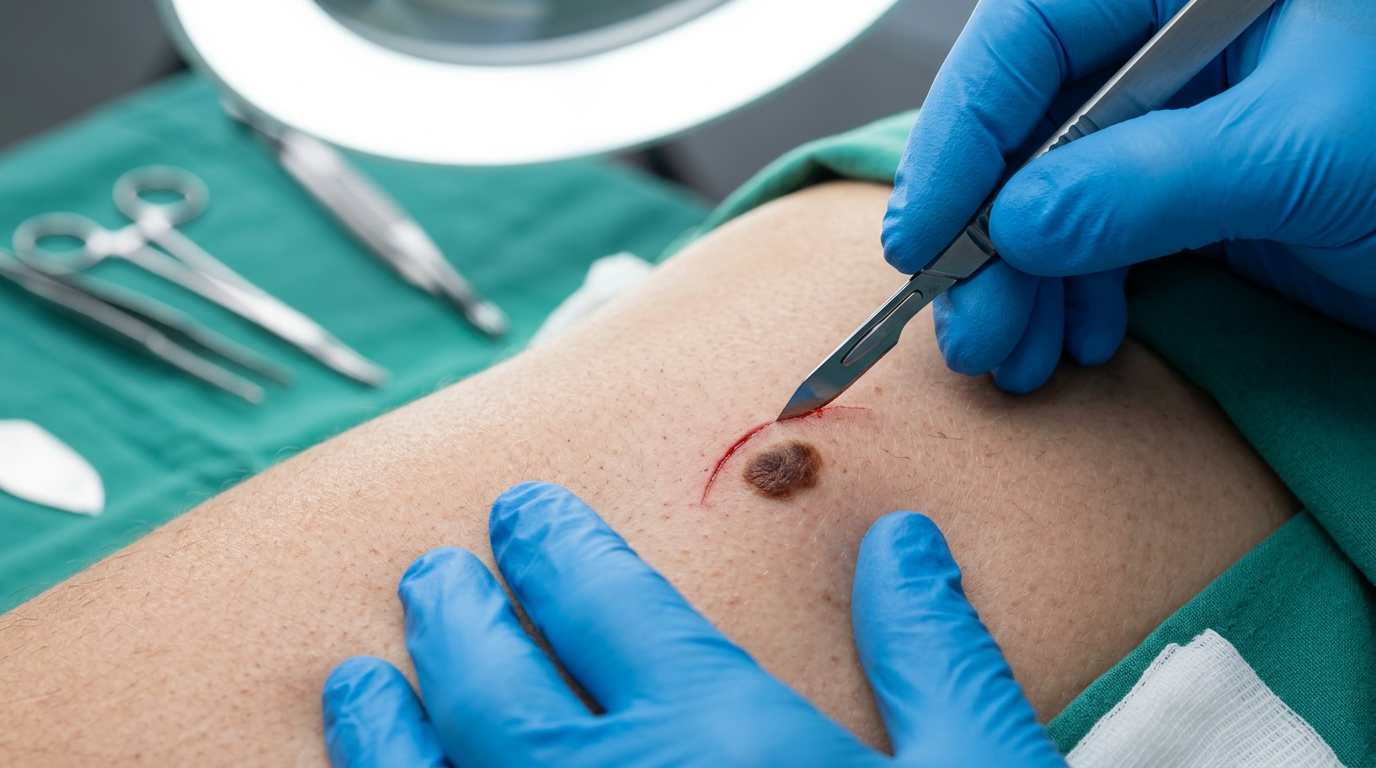
Shave excision is often used for raised benign moles. The mole is shaved down to the level of the surrounding skin after local anaesthetic. It may leave a small flat mark, pale patch or slight depression.
Surgical excision involves cutting out the mole and closing the skin with stitches. This is commonly used for suspicious moles or deeper lesions. It provides a full sample for histology and may leave a thin line scar.
Punch excision uses a small circular instrument to remove a small mole or lesion. It may require one or two stitches and can be useful for selected areas.
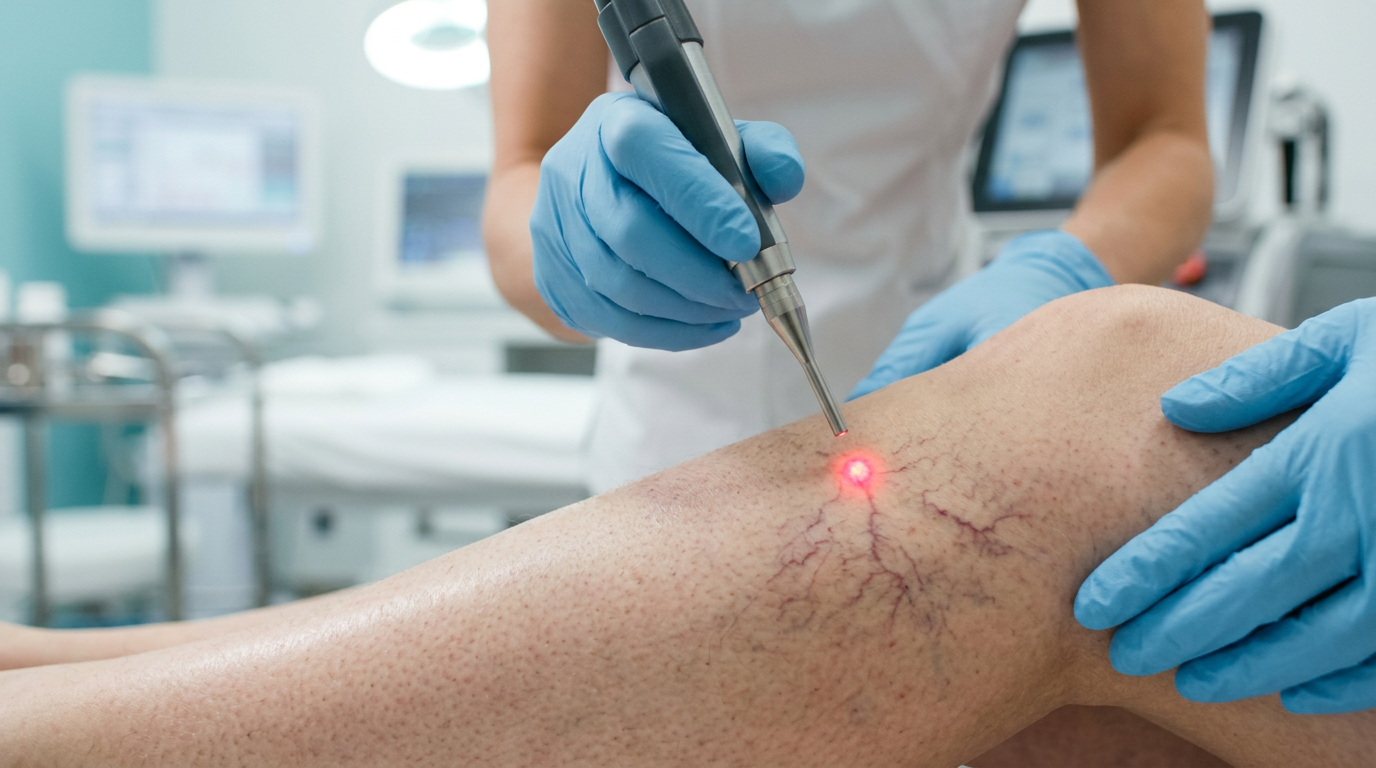
Laser treatment may be considered for certain benign pigmented or superficial lesions, but it is not suitable for moles that need diagnostic testing. Because laser can destroy tissue, it should only be used when a clinician is confident the lesion is harmless.
No removal method is completely scar-free. A good practitioner will be honest about this. The aim is usually to leave the least noticeable scar possible, but healing varies from person to person and depends on skin type, body area, aftercare and genetics.
When should you not delay?
You should arrange a medical review if a mole is new, changing or symptomatic, especially if the change has happened over weeks or months rather than years. Do not wait for a routine cosmetic appointment if the mole is bleeding, crusting, irregular, rapidly growing or noticeably different from your other moles.
It is also sensible to seek prompt assessment if you have risk factors such as previous melanoma, strong family history of melanoma, very fair skin, frequent sunburn, heavy sunbed use, many moles, or a weakened immune system.
Early assessment does not mean the mole is definitely dangerous. Many suspicious-looking moles turn out to be benign. However, if melanoma is present, earlier diagnosis can make a significant difference.
Questions to ask before mole removal
Before having a mole removed, it is worth asking:
- Does this mole look medically suspicious?
- Will the removed tissue be sent for histology?
- Which removal method is most suitable and why?
- What type of scar should I expect?
- How long will healing take?
- What aftercare will I need?
- Could the mole grow back?
- What signs should I watch for after removal?
These questions help ensure that your treatment is appropriate, safe and aligned with your goals.
Final thoughts
So, is it time to remove that mole? If the mole affects your confidence, catches on clothing or shaving, or bothers you aesthetically, cosmetic removal may be reasonable once it has been checked and confirmed as benign. If the mole is changing, bleeding, painful, irregular, multi-coloured or unlike your other moles, the reason for removal becomes medical rather than cosmetic.
The safest approach is simple: assess first, remove second. A mole may be harmless, but any lesion with warning signs deserves proper medical evaluation. Cosmetic results matter, but your health comes first. A professional assessment can help you choose the right treatment, avoid unnecessary risk and feel confident that the decision to remove a mole is being made for the right reasons.
Bothered by a mole? Whether it’s causing physical irritation, making you self-conscious, or giving you health concerns, we’re here to help. A quick professional assessment at Adare Dermatology Clinic offers total peace of mind and clear options for safe, simple removal. Visit our Dublin, Limerick, or London locations to discuss a personalized treatment plan with our expert clinicians.


1 comment
Hello, I’m just enquiring about prices regarding consultation and removal of a mole on my face.
Sara Betlejewska
Leave a comment
This site is protected by hCaptcha and the hCaptcha Privacy Policy and Terms of Service apply.