
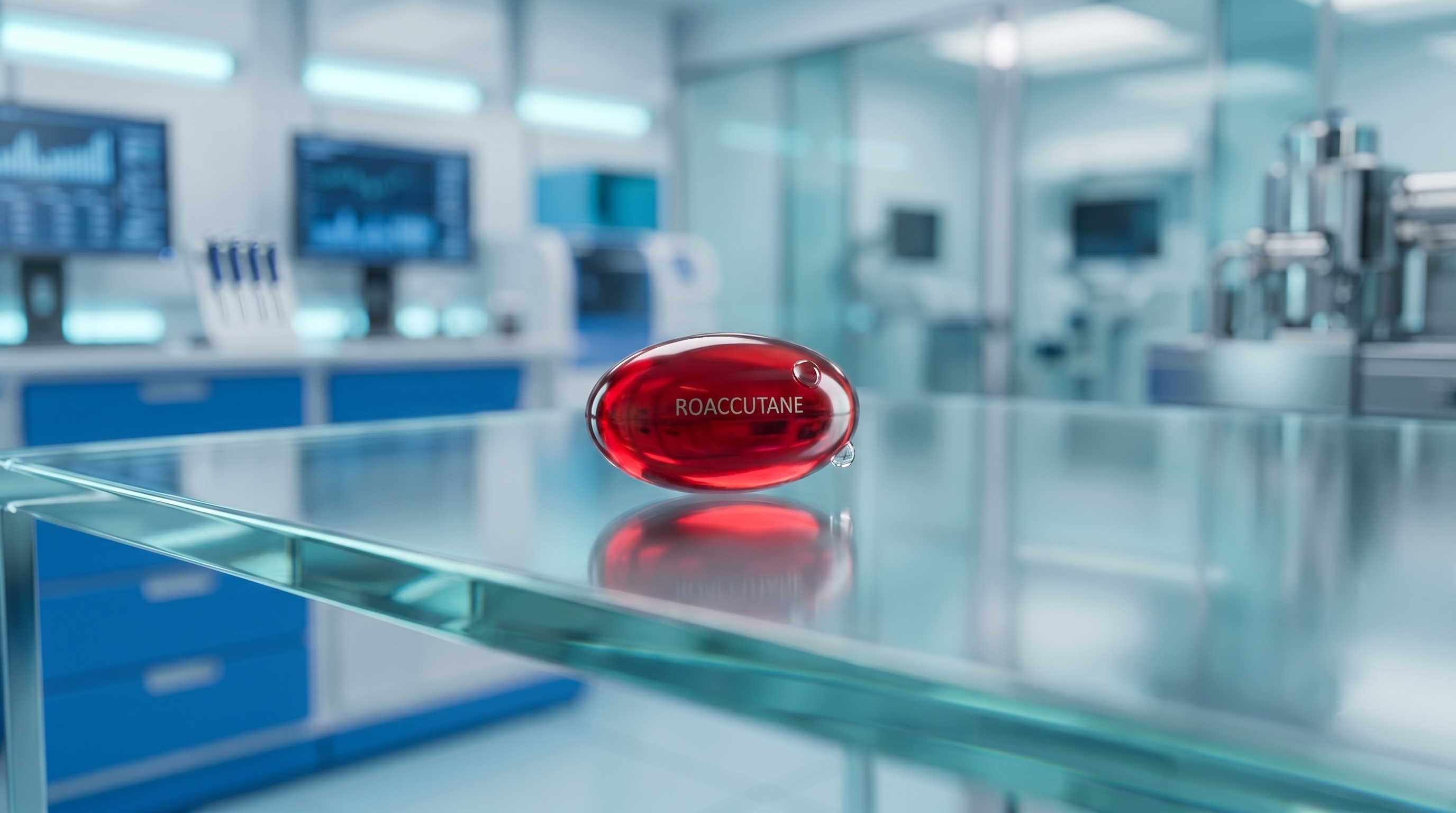
Acne Scarring on Roaccutane: What Really Happens to Your Skin
If you've been dealing with severe acne long enough, chances are you've heard of Roaccutane — the heavy-hitter of acne treatments. And if you're considering it, or already on it, one question probably haunts you more than any other: what about my scars?
It's a fair and complicated question. Roaccutane (isotretinoin) is widely regarded as the most effective treatment for severe, cystic, or treatment-resistant acne. But its relationship with acne scarring is nuanced — it doesn't erase the damage already done, and during treatment, your skin behaves in ways that can feel confusing, even alarming. Understanding what's actually happening under the surface can make the entire journey far less frightening.
What Is Roaccutane and How Does It Work?
Roaccutane is the brand name for isotretinoin, a powerful oral retinoid derived from vitamin A. It was first approved in the early 1980s and remains the only treatment that can produce long-term remission — sometimes permanent — from severe acne.
It works on multiple fronts simultaneously:
- Shrinks sebaceous (oil) glands dramatically, reducing the excess sebum that feeds acne-causing bacteria
- Slows skin cell turnover inside the follicle, preventing the clogging that creates comedones
- Reduces inflammation throughout the skin
- Has mild antibacterial effects by making the skin a less hospitable environment for Cutibacterium acnes
A typical course runs four to six months, with dosage calculated based on body weight. The goal is to reach a cumulative dose — usually around 120–150 mg/kg — at which point sustained remission is most likely.
What it does not do, at least not directly, is remodel existing scar tissue. That distinction matters enormously.
The Difference Between Active Acne and Acne Scars
Before diving into how Roaccutane affects scarring, it helps to understand what a scar actually is versus what people often mistake for one.

Post-inflammatory hyperpigmentation (PIH) — those flat, reddish or brownish marks left after a pimple heals — are not true scars. They're pigment changes in the skin, and they fade on their own over weeks to months, sometimes faster with the right topical support. Many people on Roaccutane notice these clearing up significantly as their acne resolves and inflammation dies down.
True acne scars are structural changes in the skin's architecture — the dermis itself has been damaged. These fall into two broad categories:
- Atrophic scars — depressions in the skin caused by collagen loss. These include ice pick scars (deep and narrow), boxcar scars (broad with defined edges), and rolling scars (shallow, wave-like depressions).
- Hypertrophic and keloid scars — raised, thickened scars caused by excess collagen production. More common on the chest, back, and jawline.
Roaccutane can prevent new scars from forming by stopping severe breakouts in their tracks. But existing structural scars? They require dedicated scar treatment — and that's where timing becomes critical.
Does Roaccutane Make Scarring Worse During Treatment?
This is one of the most common concerns, and it comes from a real and valid place. During the first few weeks of Roaccutane — sometimes stretching into the second month — many patients experience what's called an initial flare. Acne can worsen before it gets better, sometimes dramatically. New cysts can form, existing ones can become more inflamed, and this active, angry phase can absolutely lead to new scarring if it's severe enough.
Your dermatologist should warn you about this. Some prescribe a short course of oral antibiotics or a low-dose oral corticosteroid during the first month to dampen this initial flare, particularly for patients who already have significant inflammation.
The other key concern: isotretinoin thins the skin and impairs its wound-healing capacity while you're on it. The skin becomes more fragile, slower to heal, and significantly more sensitive. This is why dermatologists universally advise no skin procedures during treatment — no laser resurfacing, no chemical peels, no microneedling, no dermabrasion. Performing these procedures on isotretinoin-treated skin dramatically increases the risk of scarring, prolonged healing, and adverse outcomes.
This restriction typically extends for at least six months after finishing the course, though some practitioners extend the wait to twelve months for more aggressive procedures.
How Roaccutane Indirectly Helps Existing Scars
Here's the silver lining that often gets overlooked: while Roaccutane doesn't resurface scars directly, it creates the conditions in which scars can look meaningfully better.
Reduced inflammation is the key mechanism. Many acne scars — especially rolling scars — appear worse when the surrounding skin is inflamed, oily, and actively breaking out. Once Roaccutane brings severe acne under control, the skin calms down, oil production plummets, and the contrast between scarred and healthy skin can actually soften. Patients frequently report that their scars look less severe post-treatment, even without any dedicated scar intervention.
Additionally, PIH clears much faster in the absence of ongoing breakouts. When your skin isn't constantly fighting new lesions, it can direct its healing resources toward resolving old pigment changes. Sun protection — non-negotiable on Roaccutane anyway — accelerates this further.
Planning Scar Treatment Around Your Roaccutane Course
Patience is the hardest part of this process, but it's also the most protective choice you can make for your skin.
During treatment: Focus entirely on protecting your skin barrier. Gentle, fragrance-free cleansers. Rich, non-comedogenic moisturisers. Broad-spectrum SPF 50+ every single morning. Avoid physical exfoliants, harsh acids, and any temptation to pick or squeeze — the impaired healing on isotretinoin means any wound is a potential new scar.
Immediately after finishing: Give your skin time to normalise. Oil production will gradually increase back to a more balanced (though typically reduced) baseline. The skin will regain its normal healing capacity over the following months.
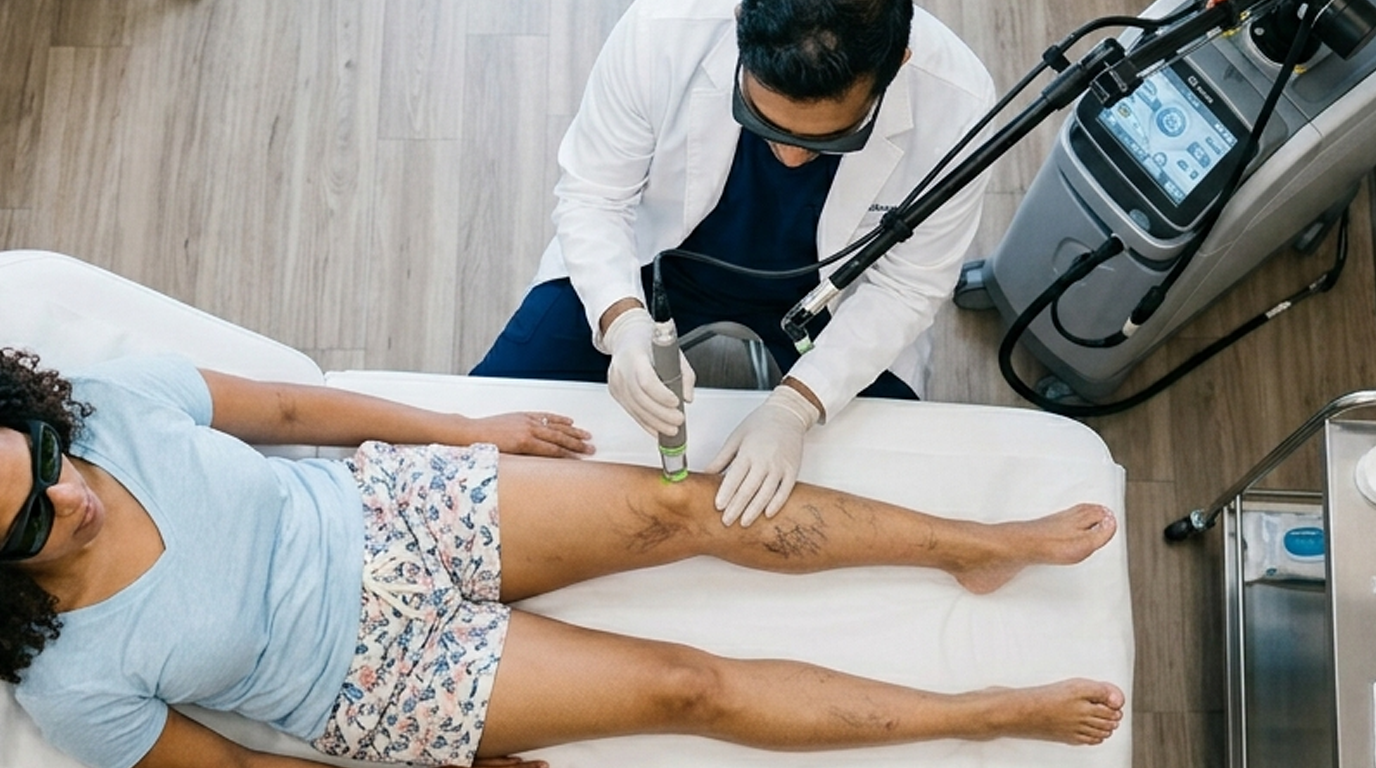
Six months post-treatment onward: This is when the real scar work begins. The options available are genuinely impressive, and the results on clear, non-acne-prone skin can be transformative:
- Fractional laser resurfacing (CO₂ or Erbium) — stimulates collagen remodelling and resurfaces the top layer of skin. Highly effective for atrophic scars.
- Microneedling / RF microneedling — creates controlled micro-injuries to trigger collagen production, with less downtime than ablative laser.
- Subcision — a minor surgical technique that breaks up the fibrous bands tethering rolling scars to deeper tissue, allowing them to rise.
- Dermal fillers — temporary volume replacement under depressed scars, often used in combination with other techniques.
- Chemical peels — medium to deep peels can improve surface texture and PIH, though they're less effective for structural scars.
- Punch excision or grafting — for deep ice pick scars that don't respond well to resurfacing.
A skilled dermatologist or cosmetic physician will rarely recommend just one approach. Combination therapy — subcision followed by RF microneedling, for example — tends to produce the best outcomes for moderate to severe scarring.
Managing Expectations Honestly
Acne scarring, particularly severe atrophic scarring, is one of the more challenging skin concerns to treat. Even with the best available technology and a well-designed treatment plan, the goal is typically significant improvement, not complete erasure. Most patients can expect a 50–70% improvement in scar depth and visibility with a good combination approach — which is life-changing for many people, even if it isn't perfection.
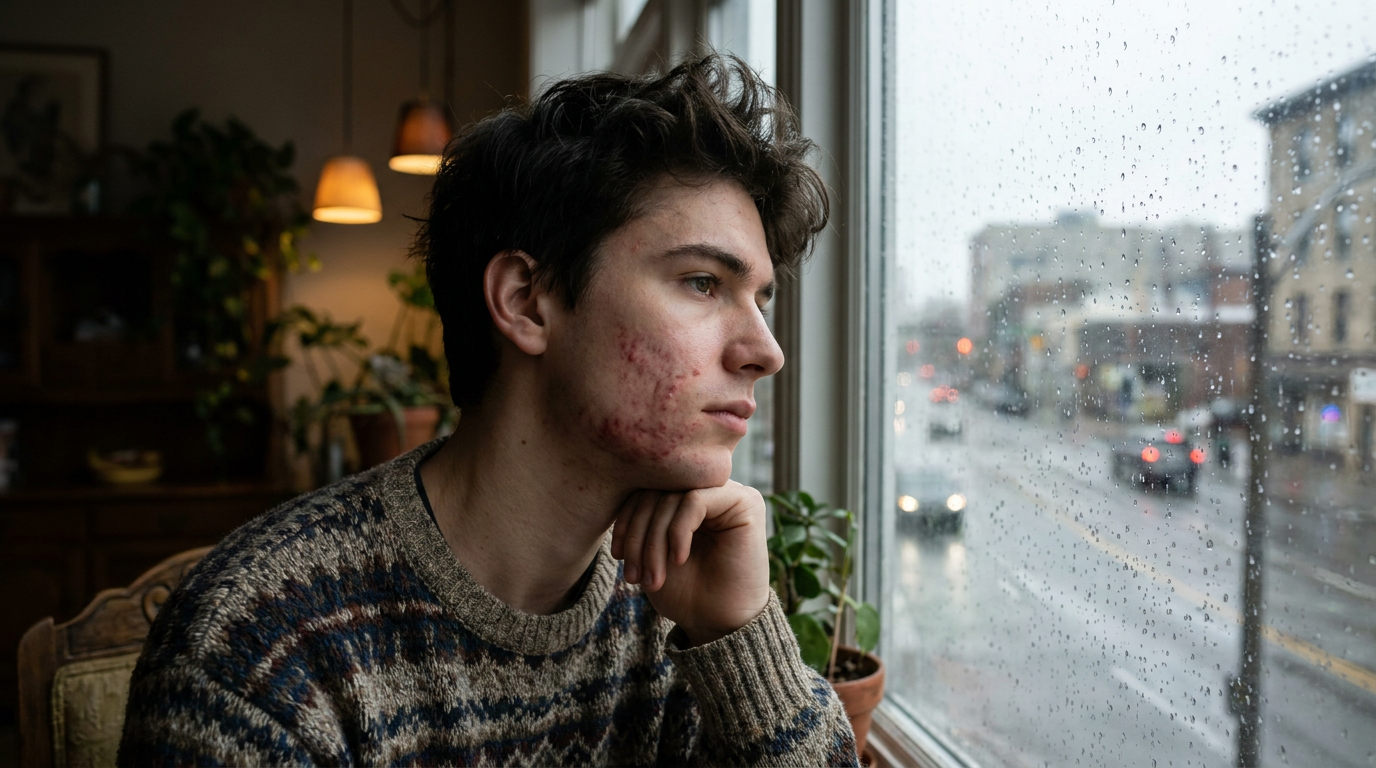
The emotional weight of scarring is real and shouldn't be dismissed. Studies consistently show that acne scarring has a meaningful impact on self-esteem, social confidence, and quality of life — comparable in some research to the psychological burden of the acne itself. If you're struggling with this while navigating treatment, you're not overreacting. It's worth raising with your dermatologist and, if needed, with a mental health professional who can offer proper support.
The Key Takeaways
To bring it all together:
- Roaccutane does not treat existing scars directly, but it stops the acne that causes new ones — making it arguably the most important first step in any scar prevention strategy.
- The initial flare in the first weeks of treatment is real and may temporarily worsen scarring risk; discuss preventative measures with your dermatologist.
- No skin procedures while on isotretinoin — or for at least six months after. This is a hard rule, not a soft guideline.
- Post-treatment is when scar work happens. The skin that emerges after a successful course of Roaccutane is cleaner, calmer, and a far better canvas for resurfacing and remodelling treatments.
- PIH will likely improve significantly on its own once active acne is controlled, especially with diligent sun protection.
- Approach scar treatment with realistic expectations and a long-term mindset. Meaningful improvement is absolutely achievable — it just takes time, the right sequence of treatments, and a good specialist in your corner.
Roaccutane is often described as a turning point — and for good reason. It can stop a cycle of damage that's been years in the making. The scarring it leaves behind to address afterward isn't a failure; it's the next chapter. And unlike the acne itself, scars are something you can tackle systematically, on your own timeline, with tools that genuinely work.
The skin you come out with on the other side of treatment is the foundation. What you build on it is up to you.

Leave a comment
This site is protected by hCaptcha and the hCaptcha Privacy Policy and Terms of Service apply.