
Why Gen Z and Millennials Are Changing the Timeline for Aesthetic Treatments
The waiting room looks different now. Where dermatology clinics and medical spas once catered primarily to patients in their late forties and fifties hoping to reverse visible signs of ageing, the chairs are increasingly filled with twenty- and thirty-somethings. They aren't there because something went wrong. They're there because they want to get ahead of it.
Gen Z and Millennials are fundamentally reshaping the aesthetic medicine landscape — not just in what treatments they seek, but in when they start seeking them. The old paradigm of "fix it when it bothers you" is giving way to a proactive, prevention-first approach that would have seemed radical a generation ago. This shift is driven by a unique cocktail of cultural forces: social media saturation, destigmatisation, financial accessibility, and a generation that treats self-care not as vanity but as routine maintenance.
Here's why the timeline for aesthetic treatments is moving earlier — and what it means for the industry and for beauty culture at large.
The Rise of "Prejuvenation"
The buzzword that captures this entire movement is prejuvenation — the idea of starting aesthetic treatments before visible ageing begins, rather than waiting to correct wrinkles, volume loss, or sun damage after the fact.
For previous generations, the entry point to aesthetic medicine was reactive. A woman in her fifties might notice deepening nasolabial folds and book her first filler appointment. A man in his sixties might explore laser resurfacing after years of sun exposure caught up with him. The trigger was dissatisfaction with a change that had already happened.
Gen Z and Millennials have flipped that script. Many are booking consultations in their mid-twenties — not because they see problems, but because they want to prevent them. Preventive Botox (sometimes called "baby Botox") to slow the formation of expression lines is one of the most visible examples. Rather than waiting for forehead lines to etch themselves permanently into the skin, younger patients are using small doses of neuromodulators to keep those lines from setting in the first place.
The logic isn't cosmetically radical. It's the same principle behind sunscreen, retinol, and regular dental check-ups — intervene early, and there's less to fix later. What's new is applying that logic to injectable and device-based treatments that were once considered the exclusive territory of older patients.
Social Media as the Great Accelerator
It's impossible to discuss this shift without talking about social media. Platforms like Instagram, TikTok, and YouTube haven't just changed how young people consume beauty content — they've fundamentally altered their relationship with their own appearance.
High-definition front-facing cameras mean that Gen Z and Millennials see their faces in close-up more frequently than any generation in history. Video calls, selfies, Stories, and content creation have turned the face into a daily point of scrutiny. This constant self-observation accelerates awareness of subtle changes — a fine line forming, slight asymmetry, early volume loss under the eyes — that previous generations might not have noticed until years later.

Simultaneously, aesthetic practitioners have become content creators themselves. Dermatologists and cosmetic nurses post treatment walkthroughs, before-and-after comparisons, and educational breakdowns of procedures. This has done two powerful things:
-
It has demystified treatments that once felt secretive and extreme.
-
It has normalised them as part of a broader wellness routine.
When you watch someone casually get lip filler on their lunch break in a TikTok video, the psychological barrier to entry drops dramatically.
The transparency cuts both ways, though. Younger consumers are also more educated about bad outcomes. They've seen botched procedures go viral. This makes them surprisingly discerning — they research practitioners, ask about product brands, and demand natural-looking results rather than the overdone aesthetics of earlier eras.
Destigmatisation and the New Definition of Self-Care
Perhaps the most significant cultural shift is in how younger generations frame aesthetic treatments. For Baby Boomers and Gen X, cosmetic procedures often carried a stigma — something you did quietly, maybe even secretly. Admitting to Botox or fillers felt like admitting to insecurity.
Gen Z and Millennials don't carry that baggage. For them, aesthetic treatments sit comfortably alongside therapy, fitness, skincare routines, and nutrition — all part of an integrated approach to feeling good in your own skin. The language has shifted from "cosmetic surgery" to "self-optimisation." Getting a chemical peel or a session of microneedling isn't conceptually different from getting a facial or investing in a good serum. It's just another tool in the toolkit.
This destigmatisation is deeply gendered, too — or rather, it's becoming de-gendered. The number of men in their twenties and thirties seeking aesthetic treatments has surged. Jawline contouring, skin tightening, and subtle anti-ageing treatments are no longer marketed exclusively to women, and younger men feel less social pressure to pretend they don't care about their appearance.
Financial Models That Open the Door
Aesthetic treatments have historically been expensive, and that cost served as a natural barrier that kept younger patients out. A single syringe of dermal filler can cost several hundred pounds; a series of laser treatments can run into the thousands.
But new financial models have lowered the entry point significantly. Membership programmes at medical spas offer monthly plans that bundle treatments at reduced rates. Buy-now-pay-later services have entered the aesthetics space, letting patients split costs into manageable instalments. Loyalty programmes reward repeat visits. Some clinics offer "starter packages" designed specifically for younger clients exploring treatments for the first time.
The economics of prejuvenation also make a compelling case on their own. Practitioners argue — with reasonable evidence — that investing modestly in preventive treatments throughout your thirties can reduce the need for more aggressive (and expensive) corrective procedures in your fifties and sixties. Younger patients are receptive to this framing because it mirrors how they think about other long-term investments, from retirement savings to preventive healthcare.
The Treatments Driving the Trend
Not every procedure appeals equally to the younger demographic. The treatments gaining the most traction among Gen Z and Millennials tend to share certain characteristics: they're minimally invasive, require little downtime, produce natural-looking results, and are repeatable.
-
Neuromodulators (Botox, Dysport, Xeomin): Preventive use in the mid-to-late twenties to slow dynamic wrinkle formation is the gateway treatment for many younger patients.
-
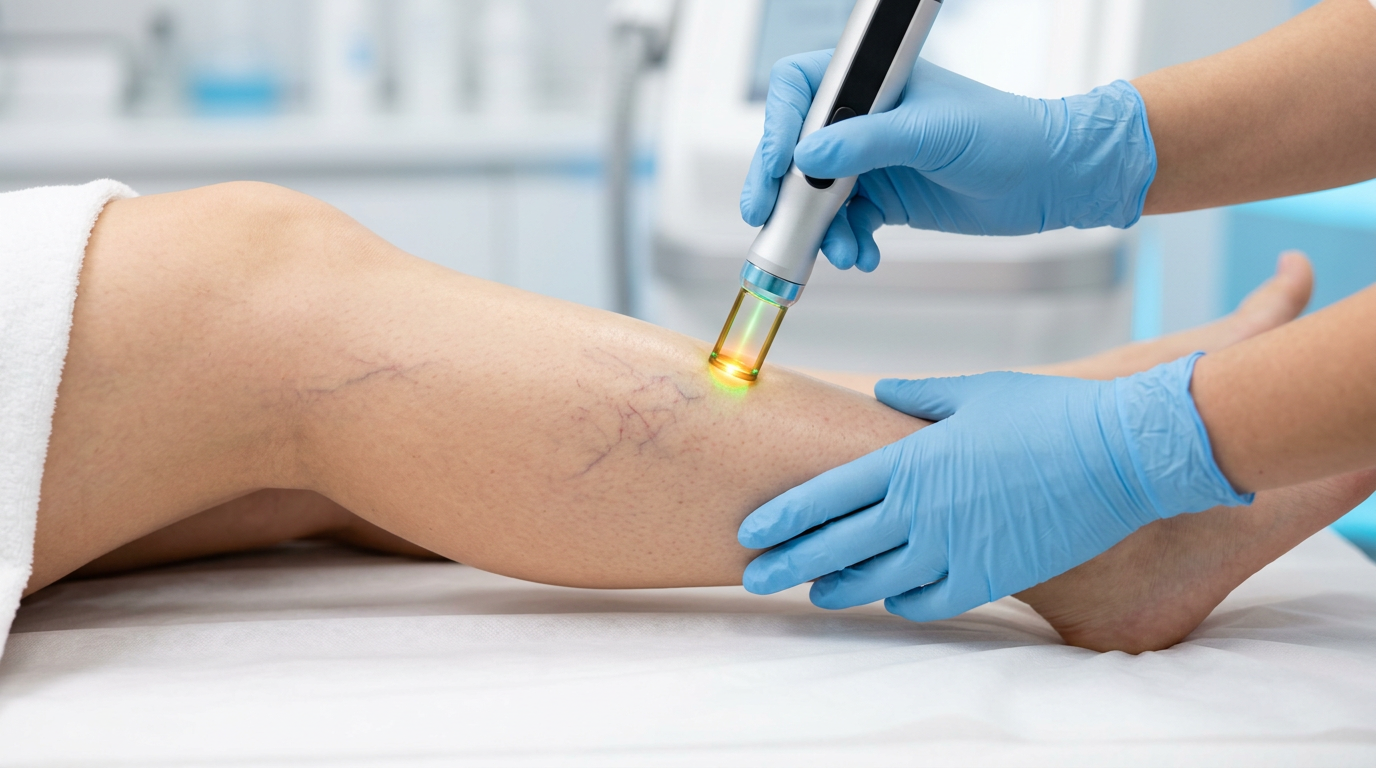
Skin-quality treatments: Microneedling, chemical peels, PRP (platelet-rich plasma) therapy, and laser skin resurfacing aimed at maintaining collagen production and skin texture — treating the skin's quality rather than correcting a specific flaw.
-
Subtle dermal fillers: Lip enhancement, under-eye filler, and cheek contouring remain popular, but the trend has shifted strongly toward natural results. The "overfilled" look is increasingly out of fashion.
-
Skin tightening and body contouring devices: Non-surgical radiofrequency and ultrasound treatments that tighten skin and improve tone without the commitment of surgery.
-
Medical-grade skincare: Many younger patients enter the aesthetic world through prescription-strength retinoids, professional-grade vitamin C serums, and customised skincare regimens prescribed by a dermatologist — a bridge between over-the-counter products and clinical procedures.
What's notably less popular among this cohort is traditional cosmetic surgery. Younger patients overwhelmingly prefer treatments they can ease into, adjust over time, and reverse if needed. The commitment and downtime of surgical intervention doesn't align with how they approach aesthetics.
What This Means for the Industry
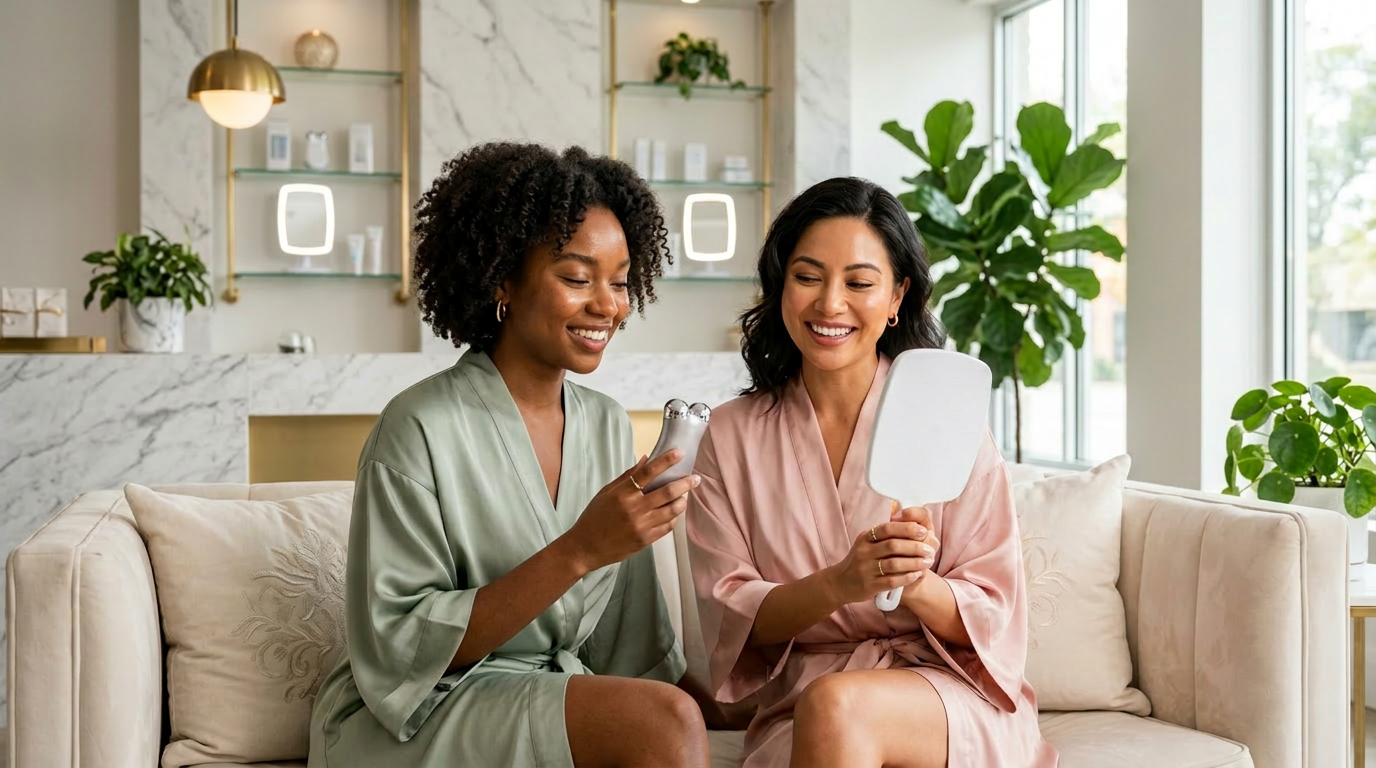
The aesthetic medicine industry is adapting rapidly to this demographic shift. Clinics are redesigning their marketing, their physical spaces, and their service menus to appeal to a younger clientele. Waiting rooms look more like boutique wellness studios than medical offices. Consultations emphasise long-term skin health plans rather than one-off corrections.
Training for practitioners is evolving too. There's a growing emphasis on conservative technique — using lower doses, prioritising facial harmony, and creating results that enhance rather than transform. The younger patient doesn't want to look "done." They want to look like the best, most rested version of themselves.
The broader beauty industry is feeling the ripple effects as well. Skincare brands increasingly position their products as complements to professional treatments. The line between "beauty" and "medicine" continues to blur, creating a continuum where a good sunscreen, a retinol prescription, a quarterly microneedling session, and an annual Botox touch-up all coexist in the same routine.
A Generational Philosophy
At its core, the shift isn't really about needles or lasers. It's about a generational philosophy toward ageing, appearance, and agency. Gen Z and Millennials aren't more vain than their parents — they're more proactive. They grew up in a culture that told them to invest early in their health, their finances, and their futures. It was only a matter of time before that mindset extended to their skin.
Whether this trend produces better long-term outcomes remains to be seen — the first generation of prejuvenation patients is still young, and the data on decades-long preventive Botox use is limited. But the direction is clear: the timeline for aesthetic treatments has moved forward, and it's not moving back.
The face of aesthetic medicine is younger, more informed, and more intentional than ever. And the industry is only beginning to catch up.
Book your appointment here.

Leave a comment
This site is protected by hCaptcha and the hCaptcha Privacy Policy and Terms of Service apply.