
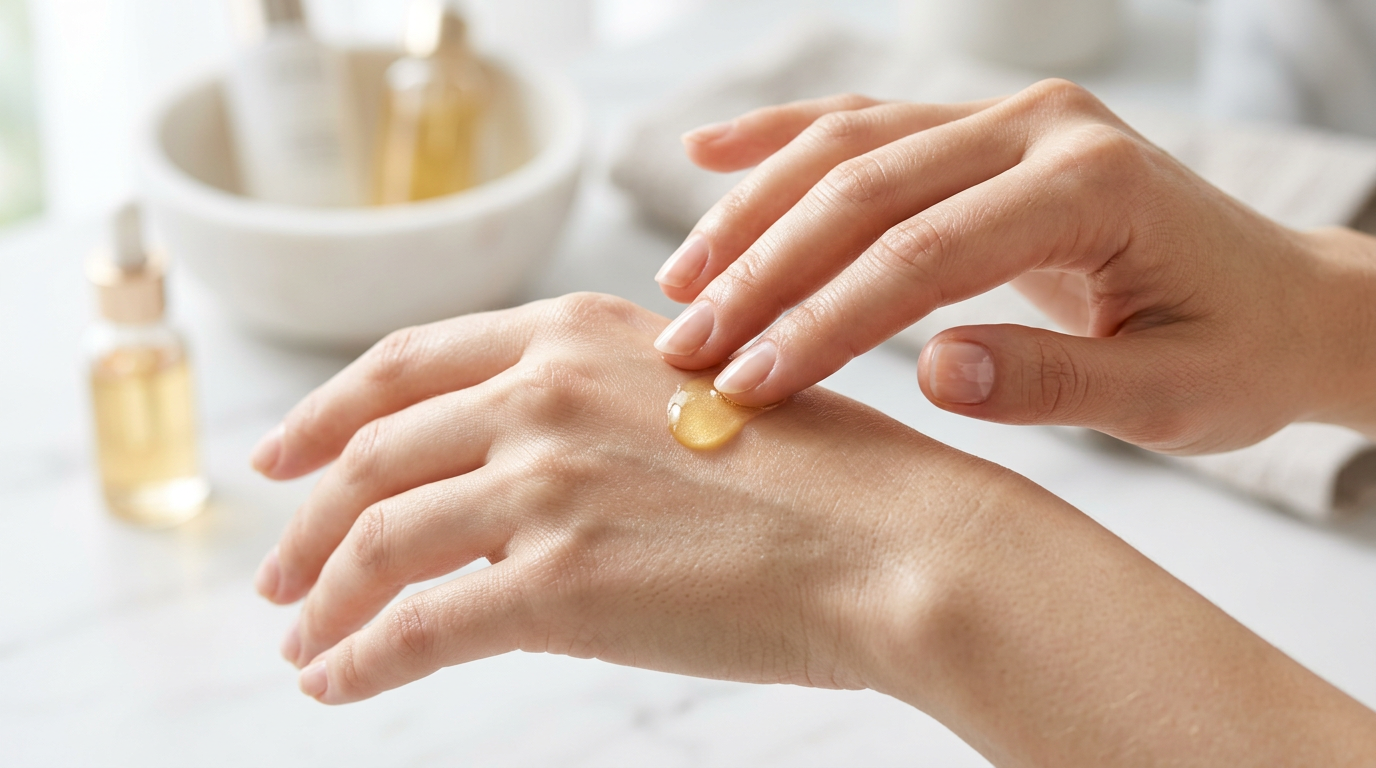
Treating the "Invisible" Aging Signs: Décolletage and Hands Rejuvenation
We spend billions every year on serums, creams, injectables, and procedures designed to keep our faces looking youthful. Retinol at night, SPF in the morning, a touch of Botox here, a laser session there — the modern skincare routine has become a masterclass in facial preservation. But here's the irony most people discover too late: the face is rarely what gives your age away. It's the chest and the hands — two of the most visible, most exposed, and most neglected areas of the body — that quietly tell the real story.
The décolletage (the area spanning your neck, chest, and upper cleavage) and the backs of the hands are often called the "invisible" aging signs, not because they're hidden, but because they're invisible to the care routine. People simply forget about them — until one day they glance in a full-length mirror, see crepey skin fanning across their chest or blue-veined, sun-spotted hands, and wonder how they missed it.
The good news? A wave of advanced aesthetic treatments — many of them originally developed for the face — are now being adapted, refined, and applied to these overlooked zones with impressive results. Let's explore what causes aging in the décolletage and hands, and what modern dermatology and aesthetic medicine can do about it.
Why the Décolletage and Hands Age Faster
Understanding the problem is the first step to solving it. These two areas share a set of biological disadvantages that make them especially prone to visible aging.
Thin skin with less structural support. The skin on your chest and hands is significantly thinner than the skin on your face. It has fewer sebaceous (oil) glands, less underlying fat, and a less robust network of collagen and elastin fibers. This means it loses firmness and elasticity faster, and it has fewer natural defenses against dehydration.
Chronic sun exposure. Think about how you move through the world: your chest is often exposed by necklines, and your hands are nearly always uncovered. While most people have learned to apply sunscreen to their faces, very few extend that protection to the chest and hands with the same consistency. Decades of accumulated UV damage result in hyperpigmentation, broken capillaries, and accelerated collagen breakdown.
Repetitive mechanical stress. The hands are in constant motion — gripping, washing, typing, gesturing. The chest skin is subject to compression during sleep (especially for side-sleepers) and stretching from clothing and movement. Over time, these micro-traumas contribute to wrinkling, creasing, and loss of elasticity.
Hormonal changes. Estrogen plays a key role in maintaining skin thickness, hydration, and collagen production. As estrogen declines during perimenopause and menopause, these already-vulnerable areas thin out and lose volume even more rapidly.
The result is a familiar constellation of concerns: sun spots and uneven pigmentation, crepey or paper-thin texture, prominent veins and tendons, deep horizontal chest lines, and a general loss of plumpness and glow.
Modern Treatment Options for the Décolletage

The chest area benefits enormously from treatments that rebuild collagen, smooth texture, and correct pigmentation. Here are the leading approaches:
Laser Resurfacing
Fractional lasers — both ablative (like CO₂) and non-ablative (like Fraxel) — create controlled micro-injuries in the skin, triggering the body's natural wound-healing response and stimulating fresh collagen and elastin production. For the décolletage, non-ablative fractional lasers are often preferred because the thinner chest skin is more sensitive and heals more slowly than facial skin. A series of three to five sessions, spaced a month apart, can dramatically improve crepiness, fine lines, and sun damage.
Intense Pulsed Light (IPL)
IPL is excellent for addressing the pigmentation and redness that plague sun-damaged chests. It targets melanin and hemoglobin in the skin, breaking up brown spots and reducing visible capillaries. It's gentler than ablative lasers, which makes it well-suited to the delicate chest area. Most patients see noticeable brightening and evening of skin tone after two to three sessions.
Microneedling with PRP or Growth Factors
Microneedling — using a device studded with tiny needles to create thousands of micro-channels in the skin — stimulates collagen remodeling on its own. When combined with platelet-rich plasma (PRP) drawn from the patient's own blood, or with topical growth factor serums, the regenerative effect is amplified. This combination is particularly effective for improving texture and tightening mildly lax skin on the décolletage.
Biostimulatory Injectables
Products like Sculptra (poly-L-lactic acid) and Radiesse (calcium hydroxylapatite) work by stimulating the body to produce its own collagen over time. When injected into the décolletage with a diluted, widespread technique, they gradually restore thickness, firmness, and a healthy glow. Results are not instant — they build over weeks and months — but they look remarkably natural.
Chemical Peels
Light-to-medium chemical peels using trichloroacetic acid (TCA) or a blend of acids can resurface the top layers of chest skin, reducing fine lines, smoothing texture, and fading pigmentation. The key is a conservative approach; the chest heals differently from the face, and overly aggressive peels can lead to scarring or prolonged redness.
Modern Treatment Options for the Hands
Hand rejuvenation has come a long way from simply slathering on hand cream. Today's options address volume, texture, and pigmentation simultaneously.
Dermal Fillers for Volume Restoration
One of the most transformative treatments available for aging hands is the injection of hyaluronic acid fillers (such as Restylane Lyft, which is FDA-approved specifically for the hands). As we age, the fat pads on the backs of the hands shrink, making veins, tendons, and bones increasingly prominent. A skilled injector places filler beneath the skin to restore that lost volume, immediately making the hands look plumper, smoother, and younger. Results typically last six to twelve months.
Laser and IPL for Pigmentation
Just like on the chest, laser treatments and IPL are highly effective for erasing sun spots and age spots on the hands. Q-switched lasers target pigmented lesions with precision, while IPL offers a broader treatment of overall discoloration. A single session can make a visible difference, though two to three sessions are often recommended for optimal clearance.
Microneedling and Radiofrequency
Combining microneedling with radiofrequency energy (RF microneedling) delivers heat deep into the dermis, tightening skin and boosting collagen production. For hands that have begun to look crepey or loose, this combination can improve texture without the downtime of a laser procedure.
Fat Transfer
For patients seeking a longer-lasting volume solution, fat transfer (also called fat grafting) harvests fat from another area of the body — often the abdomen or thighs — purifies it, and injects it into the hands. While more invasive than filler, the results can last years and provide a very natural feel and appearance.
Sclerotherapy for Prominent Veins
When bulging veins are the primary aesthetic concern, sclerotherapy — the injection of a solution that causes veins to collapse and fade — can be an effective option. It's minimally invasive and typically requires little downtime, though it should be performed by a vascular specialist to ensure safety.
The Role of Prevention and Daily Care
No amount of in-office treatment will hold up without a solid daily care routine. The same pillars that protect facial skin apply here:
- Sunscreen, always. Apply a broad-spectrum SPF 30 or higher to your chest and the backs of your hands every single day — reapplying after washing your hands. UV-protective driving gloves are a worthwhile investment for regular commuters.
- Retinoids. A prescription retinoid or over-the-counter retinol applied to the chest and hands several times a week stimulates collagen turnover and fades pigmentation over time. Start slowly to build tolerance, as these areas are more sensitive than the face.
- Hydration and barrier repair. Rich moisturizers containing ceramides, hyaluronic acid, and niacinamide help maintain the skin barrier and prevent transepidermal water loss — critical for areas already prone to dryness.
- Antioxidants. A vitamin C serum in the morning provides photoprotection and brightens existing discoloration.
Choosing the Right Provider
Hand and décolletage rejuvenation require a nuanced approach. The skin in these areas behaves differently from facial skin — it heals more slowly, scars more easily, and responds differently to energy-based devices. Not every setting, protocol, or product that works beautifully on the face translates directly to the chest or hands. Seek a board-certified dermatologist or plastic surgeon with specific experience treating these zones, and don't hesitate to ask to see before-and-after photos of their non-facial work.
The Bigger Picture
Aging is not a disease to cure — it's a natural process to navigate on your own terms. But if your face looks fifteen years younger than your hands and chest, the disconnect can feel jarring. Treating these "invisible" aging signs isn't about vanity in any superficial sense; it's about coherence — bringing your whole visible self into alignment with how you feel.
The treatments exist. The science is sound. The only thing missing, for most people, is the awareness that the conversation about aging should extend well below the jawline.
Your hands carried you here. Your chest has weathered every season with you. They deserve the same attention you give your face.
Book your appointment here.


Leave a comment
This site is protected by hCaptcha and the hCaptcha Privacy Policy and Terms of Service apply.