
Scalp Health Is Skin Health: How to Recognize and Treat Seborrheic Dermatitis
Scalp Health Is Skin Health: How to Recognize and Treat Seborrheic Dermatitis
We spend a small fortune on serums, moisturizers, and sunscreens for our faces — yet the skin that sits just a few centimeters north of our foreheads rarely gets the same attention. Your scalp is skin. It has pores, sebaceous glands, a moisture barrier, and a microbiome, just like the rest of your body. And when something goes wrong up there, one of the most common culprits is seborrheic dermatitis.
If you've ever dealt with stubborn flakes, redness that won't quit, or an itch that seems to have a mind of its own, you may already be familiar with this condition — even if you've never heard its clinical name. Let's break down what seborrheic dermatitis actually is, why it happens, how to spot it, and most importantly, what you can do about it.
What Is Seborrheic Dermatitis?
Seborrheic dermatitis is a chronic inflammatory skin condition that primarily affects areas rich in sebaceous (oil-producing) glands. The scalp is the most common site, but it can also appear on the face — particularly around the eyebrows, nose creases, and behind the ears — as well as the upper chest. In infants, it's often called cradle cap.
The condition is remarkably common. Estimates suggest it affects somewhere between 1 and 3 percent of the general adult population in its more noticeable form, though milder presentations (what most people simply call "dandruff") may affect up to 50 percent of adults at some point. It tends to flare and remit in cycles, often worsening during colder months, periods of stress, or times of illness.
Despite how widespread it is, seborrheic dermatitis is frequently misunderstood. Many people assume it's a hygiene problem — that they're not washing their hair enough or using the wrong shampoo. In reality, the condition has much deeper roots.
Why Does It Happen?
The exact cause of seborrheic dermatitis isn't fully pinned down, but researchers point to an interplay of three key factors:
1. The yeast Malassezia. This genus of fungi lives naturally on virtually everyone's skin, feeding on the lipids in sebum. In people with seborrheic dermatitis, the immune system appears to overreact to Malassezia or its metabolic byproducts, triggering inflammation. It's not that you "have too much" yeast — it's that your skin's response to a normal resident has gone haywire.
2. Sebum production. The condition favors oil-rich areas for a reason. Excess sebum provides more fuel for Malassezia, and the composition of your sebum (the specific ratio of fatty acids) may influence how irritating the yeast's byproducts become. This is partly why seborrheic dermatitis often emerges during puberty, when oil production ramps up, and can fluctuate with hormonal changes.
3. Immune dysregulation. People who are immunocompromised — whether from HIV, organ transplant medications, or other conditions — experience seborrheic dermatitis at significantly higher rates. Even everyday immune stressors like sleep deprivation, chronic stress, and poor nutrition can tip the balance.
Genetics also play a supporting role. If your parents dealt with persistent flaking and scalp inflammation, your odds are higher. And certain neurological conditions, particularly Parkinson's disease, are associated with more severe presentations, possibly due to changes in sebum production and skin innervation.
How to Recognize It
Seborrheic dermatitis on the scalp can look different from person to person, which is part of why it so often goes undiagnosed or gets confused with other conditions. Here are the hallmark signs:
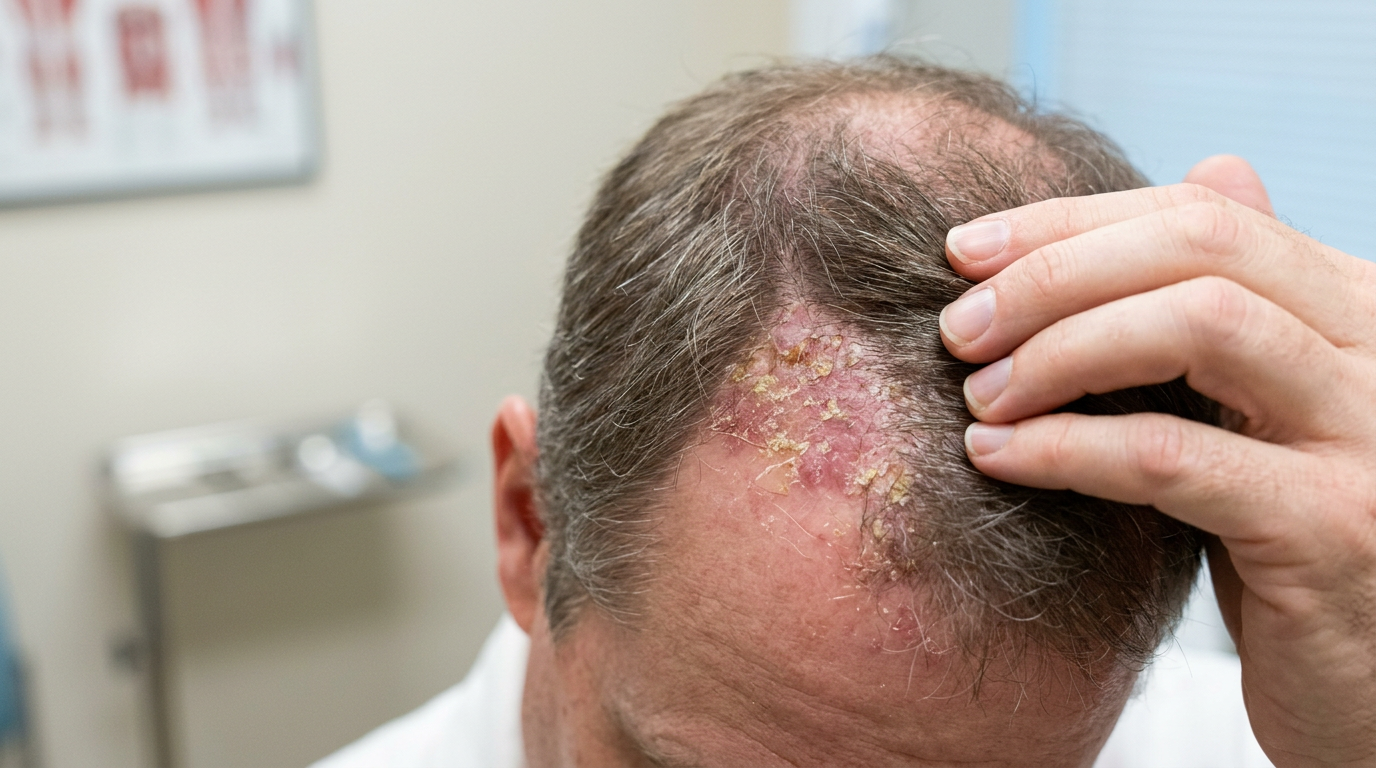
- Flaking that isn't "just dandruff." The flakes tend to be larger, greasier, and more yellowish or white compared to the fine, dry flakes of simple dandruff. They may cling to the hair or fall onto clothing in clumps.
- Redness and irritation. You may notice pink or red patches on the scalp, sometimes with well-defined borders. On darker skin tones, this can present as hypopigmented (lighter) or hyperpigmented (darker) patches rather than obvious redness — a detail that's often overlooked in dermatology resources.
- Persistent itching. The itch can range from mild annoyance to something that genuinely disrupts sleep and concentration. Scratching tends to worsen the flaking and can lead to secondary infections.
- A pattern that comes and goes. Seborrheic dermatitis is cyclical. You might have weeks or months of clear skin followed by a stubborn flare. Stress, weather changes, and illness are common triggers.
- Involvement beyond the scalp. Check the skin around your eyebrows, the creases beside your nose, behind your ears, and your upper chest. If you're seeing similar flaking and redness in those zones, it strengthens the likelihood that you're dealing with seborrheic dermatitis rather than psoriasis, eczema, or a contact reaction.
When in doubt, a dermatologist can usually make the diagnosis clinically — meaning by looking at the pattern and location — without the need for a biopsy.
Treatment: Building a Strategy That Works
There's no permanent cure for seborrheic dermatitis, but the good news is that it responds well to treatment, and a consistent routine can keep flares manageable. Think of it less like "fixing" a problem and more like maintaining balance — the same way you'd approach any other aspect of skin health.
Start With the Right Shampoo
Medicated shampoos are the first line of defense. Look for active ingredients backed by evidence:
- Zinc pyrithione — antifungal and antibacterial; widely available over the counter.
- Ketoconazole (1–2%) — a potent antifungal that directly targets Malassezia. The 1% version is available OTC in many countries; 2% may require a prescription.
- Selenium sulfide — reduces Malassezia populations and slows skin cell turnover.
- Coal tar — an older remedy that reduces inflammation and scaling; effective but can have a strong odor and may stain light hair.
- Salicylic acid — a keratolytic that helps loosen and remove scales, making it easier for antifungal agents to penetrate.
The key with medicated shampoos is contact time. Don't just lather and rinse immediately. Let the product sit on your scalp for three to five minutes before rinsing. This gives the active ingredients time to work. Most dermatologists recommend using a medicated shampoo two to three times per week during active flares, then tapering to once a week for maintenance.
Rotating between two different active ingredients can help prevent the yeast from adapting to any single treatment.
When Over-the-Counter Isn't Enough
If drugstore shampoos aren't controlling your symptoms, it's time to see a dermatologist. Prescription options include:
- Topical corticosteroids — low- to mid-potency steroid solutions or foams can quickly calm inflammation during a flare. These are meant for short-term use, not daily long-term application, because prolonged steroid use on the scalp can thin the skin.
- Topical calcineurin inhibitors (tacrolimus, pimecrolimus) — non-steroidal anti-inflammatories that are safe for longer-term use and work well for facial seborrheic dermatitis.
- Prescription-strength antifungals — oral antifungal courses (like itraconazole) may be considered for severe or widespread cases, though they come with more side effects and require monitoring.
Don't Forget the Basics
Treatment isn't only about what you put on your scalp. Several lifestyle factors influence how often and how severely seborrheic dermatitis flares:
- Manage stress. Easier said than done, but stress is one of the most reliable flare triggers. Regular exercise, adequate sleep, and mindfulness practices aren't just wellness clichés — they have a measurable impact on inflammatory skin conditions.
- Watch your diet. While no specific "seborrheic dermatitis diet" has been proven, some evidence suggests that diets high in sugar, processed foods, and saturated fats may worsen inflammation. A balanced diet rich in omega-3 fatty acids, zinc, and B vitamins supports skin barrier function.
- Be gentle. Aggressive scrubbing, hot water, and harsh styling products can strip the scalp's moisture barrier and provoke more flaking. Lukewarm water and fragrance-free products are safer bets.
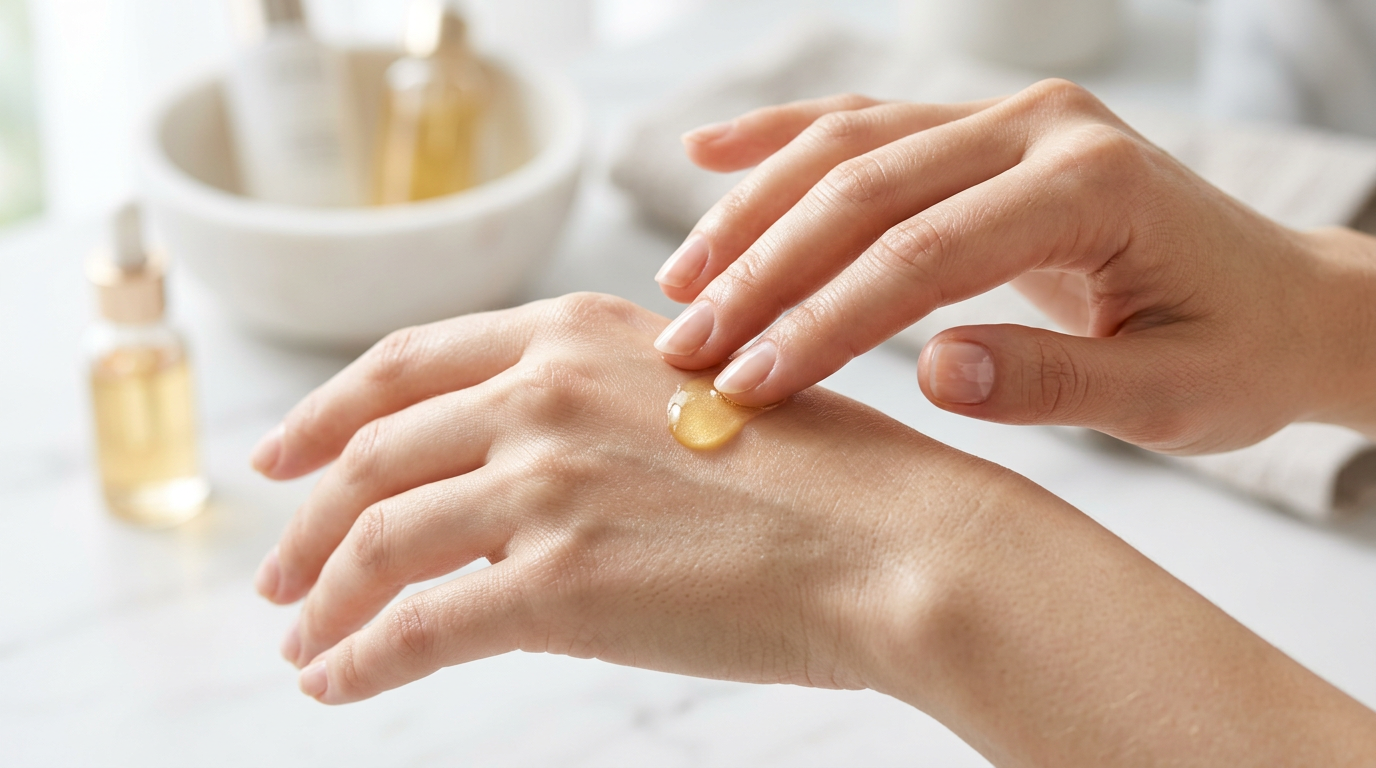
- Moisturize the scalp. It sounds counterintuitive for a condition linked to oiliness, but a compromised moisture barrier is part of the problem. Lightweight, non-comedogenic scalp serums or oils (like squalane) can help restore balance without feeding the yeast.
Reframing the Conversation
Perhaps the most important shift is the mental one. Seborrheic dermatitis isn't a sign that you're doing something wrong. It's a common, chronic skin condition with biological underpinnings — no different from eczema on the arms or rosacea on the cheeks. The stigma around "flaky scalp" keeps people from seeking treatment, quietly suffering through the itch and the embarrassment when effective options are sitting on the pharmacy shelf.
Your scalp deserves the same thoughtful care you give the rest of your skin. Cleanse it with intention. Treat inflammation early. Pay attention to flare patterns so you can get ahead of them. And if what you're doing isn't working, ask a dermatologist — because a healthy scalp isn't vanity. It's skin health.
Book your consultation here.

Leave a comment
This site is protected by hCaptcha and the hCaptcha Privacy Policy and Terms of Service apply.