

The Ultimate Guide to Dermal Fillers: What to Expect, Areas Treated, and How Long Results Last
Dermal fillers are injectable treatments designed to restore lost volume, soften lines and enhance facial contours. They can produce subtle, natural-looking changes without surgery, although results depend greatly on the product used, the area treated and the skill of the practitioner.
If you are considering fillers, understanding the procedure, recovery and likely lifespan of the results can help you make an informed decision.
What Are Dermal Fillers?
Most modern dermal fillers contain hyaluronic acid, a substance found naturally in the skin that attracts and retains water. When injected beneath the skin, a hyaluronic acid filler can add volume, improve definition or soften certain lines and folds.
Fillers are not the same as anti-wrinkle injections. Anti-wrinkle treatments temporarily reduce muscle activity, whereas fillers provide structure or volume beneath the skin. Depending on your concerns, a qualified practitioner may recommend one treatment or a carefully planned combination.
Which Areas Can Be Treated?
Dermal fillers are versatile, but treatment should always be tailored to the individual rather than following trends.
Lips
Lip fillers can add volume, improve symmetry and define the border of the lips. They may also soften fine lines around the mouth. A conservative approach is often best, particularly for first-time patients, as the goal should be proportion and balance rather than simply making the lips larger.
Cheeks
Cheek fillers can restore volume that has diminished with age or enhance naturally flatter contours. Strategic placement may create a more lifted appearance and improve the transition between the cheeks and lower face.
Chin and Jawline
Fillers may be used to strengthen a recessed chin, improve facial proportions or add definition to the jawline. These treatments can sometimes create a more balanced profile without surgery, although fillers cannot reproduce the structural changes achieved through an operation.
Nasolabial Folds and Marionette Lines
Nasolabial folds run from the sides of the nose towards the mouth, while marionette lines extend downwards from the corners of the mouth. Filler can soften these areas, but directly filling every line is not always the best solution. In some cases, restoring support elsewhere in the face produces a more natural result.
Tear Troughs
Tear-trough filler is intended to reduce hollowness beneath the eyes. This is an advanced treatment area with a higher risk of persistent swelling, visible filler or irregularity. It is not suitable for everyone, particularly those with prominent under-eye bags or fluid retention.
Nose
A non-surgical rhinoplasty uses filler to disguise small bumps, improve symmetry or refine the profile. It cannot make the nose physically smaller or correct breathing difficulties. The nose is also a particularly high-risk injection area, so treatment should only be performed by an appropriately qualified and experienced medical practitioner.
Temples
Age-related volume loss can make the temples appear hollow. Carefully placed filler may restore smoother contours, but the complex anatomy of this area makes specialist expertise essential.
What Happens During a Consultation?
A thorough consultation should come before treatment. Your practitioner will discuss:
- Your goals and whether they are realistic.
- Your medical history, allergies, medicines and previous cosmetic procedures.
- The most appropriate treatment, including the type and amount of filler.
- Potential risks, expected recovery and alternative options.
- The cost, aftercare and what to do if complications occur.
The practitioner should also examine your facial structure and assess how your features move. You should never feel pressured to proceed immediately. Take time to consider the proposed plan, especially if it involves several areas or a significant amount of filler.
Tell the practitioner if you are pregnant or breastfeeding, have an active skin infection, are prone to cold sores, have recently had dental work or take medicines that affect bleeding. Do not stop prescribed medication unless the clinician responsible for your care advises you to do so.
What to Expect During Treatment
The skin is usually cleansed before the injection sites are marked. A topical numbing cream may be applied, and many hyaluronic acid fillers also contain a local anaesthetic.

The filler is then injected using a fine needle or cannula. You may feel pressure, pinching or mild discomfort. Depending on the number of areas treated, an appointment may take approximately 30 to 60 minutes.
You might see an immediate difference, but this is not the final result. Early swelling can temporarily exaggerate volume or make the area look uneven. Results are usually easier to assess once the swelling has settled, often after around two weeks.
Recovery and Aftercare
Temporary swelling, redness, tenderness and bruising are common. Lips often swell more noticeably than other areas, and mild asymmetry during the first few days does not necessarily indicate a problem.
Follow the aftercare instructions provided by your practitioner. These may include:
- Avoiding strenuous exercise, alcohol and excessive heat for the period advised.
- Not rubbing or pressing the treated area unless specifically instructed.
- Keeping the skin clean and delaying make-up application as directed.
- Avoiding facials and other treatments around the injection sites until healed.
- Attending a review appointment if one is recommended.
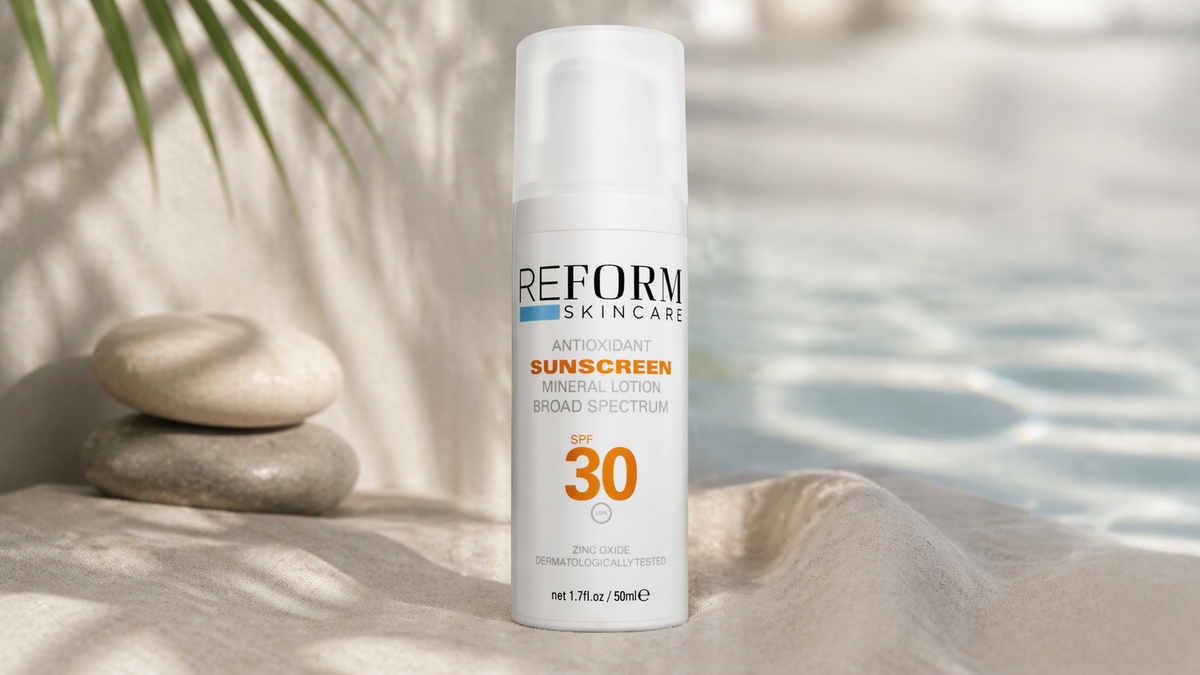
Keep skincare simple and gentle immediately after treatment. Strong exfoliating acids, retinoids and potentially irritating actives may need to be paused around the procedure, in line with your practitioner's advice. Once the skin has settled, a hydrating product such as REFORM Skincare Vitamin B5 Gel may help support everyday hydration, while suitable sun protection should remain part of your normal routine. REFORM Skincare offers several sunscreen options, including SPF 50+ Antioxidant Sunscreen. Skincare can support the condition and appearance of the skin, but it cannot replace filler or extend results indefinitely.
How Long Do Dermal Fillers Last?
Dermal fillers are temporary. Their longevity varies according to the formulation, injection site, amount used and individual metabolism.
| Treatment area | Approximate duration |
|---|---|
| Lips | 6-12 months |
| Cheeks | 12-18 months |
| Chin and jawline | 12-18 months |
| Nasolabial folds | 6-12 months |
| Tear troughs | 9-18 months |
| Nose | 12-18 months |
| Temples | 9-18 months |
These figures are broad estimates, not guarantees. Areas that move frequently, such as the lips, often lose their effect sooner. Denser fillers placed in relatively static areas may last longer. Some product can occasionally remain beyond the period during which the cosmetic effect is most noticeable.
Maintenance treatment should be based on clinical assessment rather than a fixed timetable. Repeatedly adding filler before the previous product has settled or degraded may lead to overfilling.
Risks and Warning Signs
Although fillers are often described as minimally invasive, they are still medical procedures. Possible side effects include bruising, swelling, tenderness, infection, lumps, asymmetry, prolonged inflammation and migration of the product. Delayed reactions can also occur.
A rare but serious complication is vascular occlusion, which happens when filler blocks or compresses a blood vessel. This may damage the skin and, in exceptionally rare cases, affect vision. Severe or increasing pain, blanching, mottled or dusky skin, unusual coolness, or any visual disturbance requires urgent assessment. Contact your practitioner immediately; visual symptoms warrant emergency medical care.
Choosing a suitably qualified, experienced practitioner who understands facial anatomy and has an emergency protocol is one of the most important safety decisions you can make.
Choosing the Right Practitioner
Before booking, check the practitioner's qualifications, training, experience and professional registration where applicable. Ask which product will be used, why it suits your needs and how complications are managed. Treatment should take place in a clean clinical environment using a traceable, properly packaged product.
Be cautious of unusually cheap offers, home-based injection parties and anyone unwilling to discuss risks. A responsible practitioner may recommend less filler than expected, suggest a different treatment or advise against treatment altogether.
Final Thoughts
The best dermal-filler results are generally those that preserve your natural expressions and keep the face in proportion. A careful consultation, conservative treatment plan and appropriate aftercare matter more than following a fashionable look.
Fillers can refresh contours and restore volume, but they have limitations and genuine risks. Approach treatment as a medical decision: choose your practitioner carefully, understand what can realistically be achieved and allow sufficient time for the final result to settle.


Leave a comment
This site is protected by hCaptcha and the hCaptcha Privacy Policy and Terms of Service apply.