
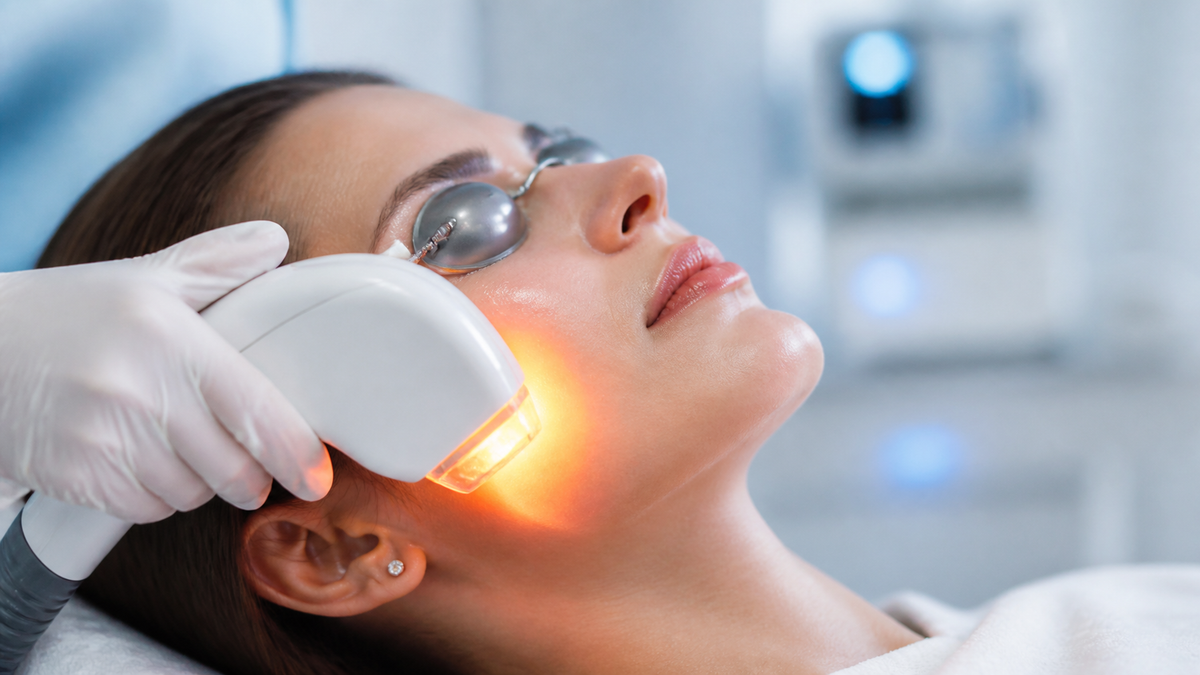
The Magic of Light Therapy: How Limelight IPL Reverses Sun Damage and Redness
Most of us think of sun damage as something we can see — a scattering of freckles across the nose, a stubborn patch of pigment on the cheekbone, a flush that never quite settles. In truth, the visible signs are the last chapter of a story that began years earlier. Every unprotected lunch hour, every forgotten SPF on a cloudy Tuesday, every childhood holiday spent in the sea without a hat has been quietly logged by melanocytes and blood vessels. Limelight IPL is one of the few treatments that reads that log and rewrites it.
What Exactly Is Limelight IPL?
Limelight is a medical-grade intense pulsed light (IPL) system, most commonly associated with the Cutera platform. Where a laser emits a single wavelength of light, IPL releases broad-spectrum bursts — multiple wavelengths at once — which is precisely why it can address two very different concerns in a single pass: pigment and vasculature.
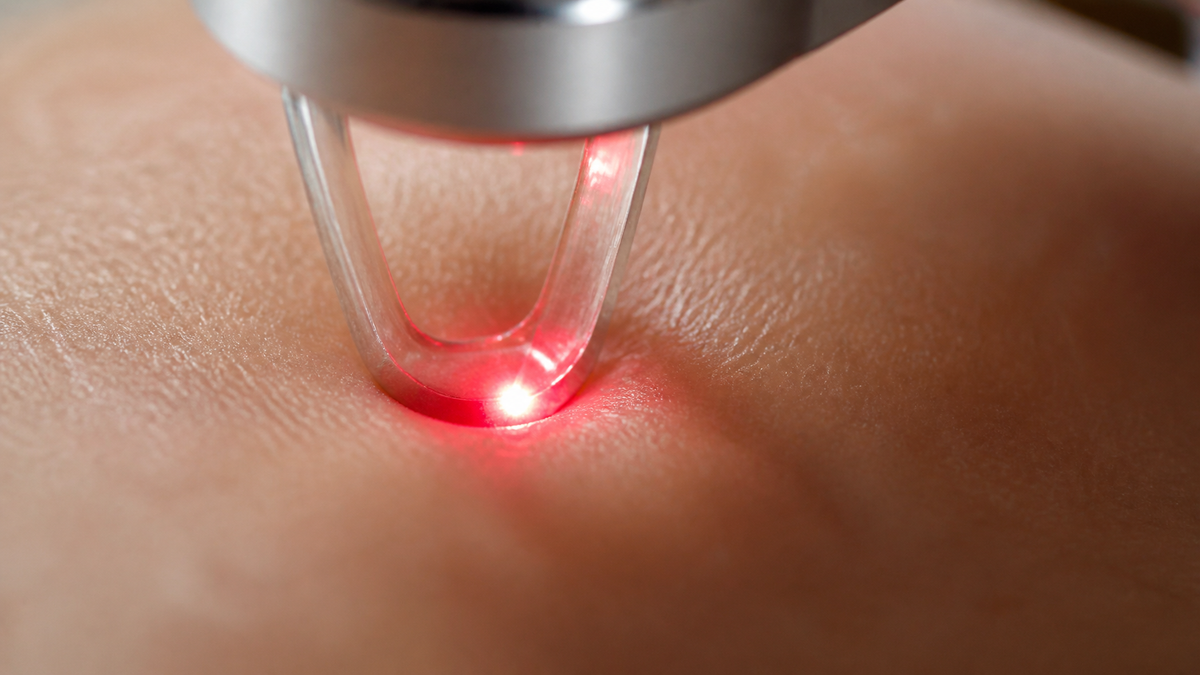
The mechanism is selective photothermolysis. Melanin in pigmented lesions and haemoglobin in red vessels absorb light energy far more readily than the surrounding skin does. That absorbed energy converts to heat, and the heat does the work: it breaks down the melanin within the cell and coagulates the haemoglobin, damaging the vessel wall so the body can clear it away. Healthy tissue nearby is left largely untouched. Nothing is cut, nothing is injected, and there is no needle in sight.
How It Reverses Sun Damage
Sun damage presents in several guises. There are the flat brown macules dermatologists call solar lentigines — age spots to the rest of us — alongside freckles, diffuse unevenness, and the mottled tone that makes foundation feel like a necessity rather than a choice.
When Limelight passes over these areas, the pigment does not vanish on the spot. Instead it darkens, often taking on what practitioners describe as a "coffee-ground" appearance, before flaking away over roughly seven to fourteen days as the skin's natural renewal process carries the treated cells to the surface. It can look worse before it looks better, and that interim stage catches people out. Beneath the surface, meanwhile, the light has also stimulated a mild wound-healing response, nudging fibroblast activity and encouraging fresh collagen — which is why complexion often looks firmer and more even beyond simply being less pigmented.
The published figures are genuinely encouraging. Broad reviews of IPL report reductions of around 70% in brown spots and redness caused by UV exposure, typically across a series rather than a single session.
And How It Calms Redness
Redness is a different problem with a different target. Facial flushing, background erythema, rosacea-related inflammation, and the fine spider veins known as telangiectasias all share one thing: they are vascular. Because IPL's haemoglobin absorption peak is well matched to these vessels, the same handpiece that lifts pigment can also treat the redness that pigment-focused treatments so often ignore.
Results here tend to be cumulative and gradual. Vessels are reabsorbed over the weeks following treatment, so skin looks calmer rather than instantly different. Studies suggest 50–75% of broken capillaries can be cleared after one to three sessions, though new vessels can form later — particularly in rosacea, where the underlying tendency never fully disappears.
What a Course of Treatment Looks Like
A typical Limelight protocol runs across three to five sessions spaced roughly four weeks apart, with each appointment lasting around thirty minutes or less. There is little to no downtime; most people return to normal activity the same day, though mild redness or a sunburn-like sensation is common and usually settles within hours to a couple of days.
Candidates should be realistic about suitability. IPL performs best on lighter skin tones that are untanned, and treatment is generally postponed if skin is irritated or has seen recent sun exposure. Deeper skin tones carry a higher risk of adverse events and need an experienced practitioner and carefully chosen settings. And a course of IPL is not a licence to abandon sunscreen — without protection, the damage simply returns.
Where Skincare Fits In
Light therapy does the heavy lifting, but skincare determines how well the results hold. The two goals are simple: support the barrier during recovery, and suppress pigment production between sessions.
Before treatment, a practitioner will typically pause anything actively resurfacing — retinoids, glycolic or salicylic acids — for several days to reduce irritation. Among REFORM Skincare's cleansers, the Gentle Hydrating Crème Cleanser is the sensible interim swap, while the Glycolic Acid Foaming Cleanser and Salicylic Acid Foaming Cleanser are better kept for the weeks either side of a session.
During the fortnight after treatment, barrier support matters more than brightening. The Skin Barrier Repair Cream was developed with compromised and dryness-prone skin in mind, and Vitamin B5 Gel delivers light, fast-absorbing hydration without occluding treated areas. Once the pigment has flaked away and skin feels settled — usually from around day ten to fourteen — antioxidant and pigment-directed actives can resume. Vitamin C 20% Serum or the HYAL • Vitamin C + E Serum addresses the oxidative stress that drives photoageing, while REFORM's Pigmentation Protocol gathers the pigment-management steps into one routine and its Rosacea Relief range is built for the flushing-prone skin IPL so often treats.
And sunscreen is not optional: SPF 50+ Antioxidant Sunscreen or the SPF 50+ Invisible Mist Spray for easy top-ups. Without daily, generous, repeated application, the treatment is a very expensive way of treading water. REFORM's routines for pigmentation and rosacea are a reasonable starting point for building this around your own skin.
The Honest Summary
Limelight IPL is not magic in the way the marketing suggests. It is a well-understood, evidence-backed use of light that targets two of the most common consequences of living on a sunny planet, and it works best as part of a plan — a considered series of sessions, a practitioner who knows your skin type, and a skincare routine that protects the investment.
If sun damage or persistent redness has been bothering you, book a consultation with a qualified practitioner who can assess your skin honestly. Then give the results — and your barrier — the time they need.

Leave a comment
This site is protected by hCaptcha and the hCaptcha Privacy Policy and Terms of Service apply.