
Teenage vs Adult Acne: Why the Same Condition Needs a Different Approach
Acne is one of the most common reasons patients come to see us at ADC, but the acne we see in a fifteen-year-old and the acne we see in a thirty-five-year-old are rarely the same condition managed the same way. Both need proper dermatological assessment, but the underlying causes, the investigations we consider, and the treatments we reach for often look quite different.
Teenage Acne: Understanding the Cause
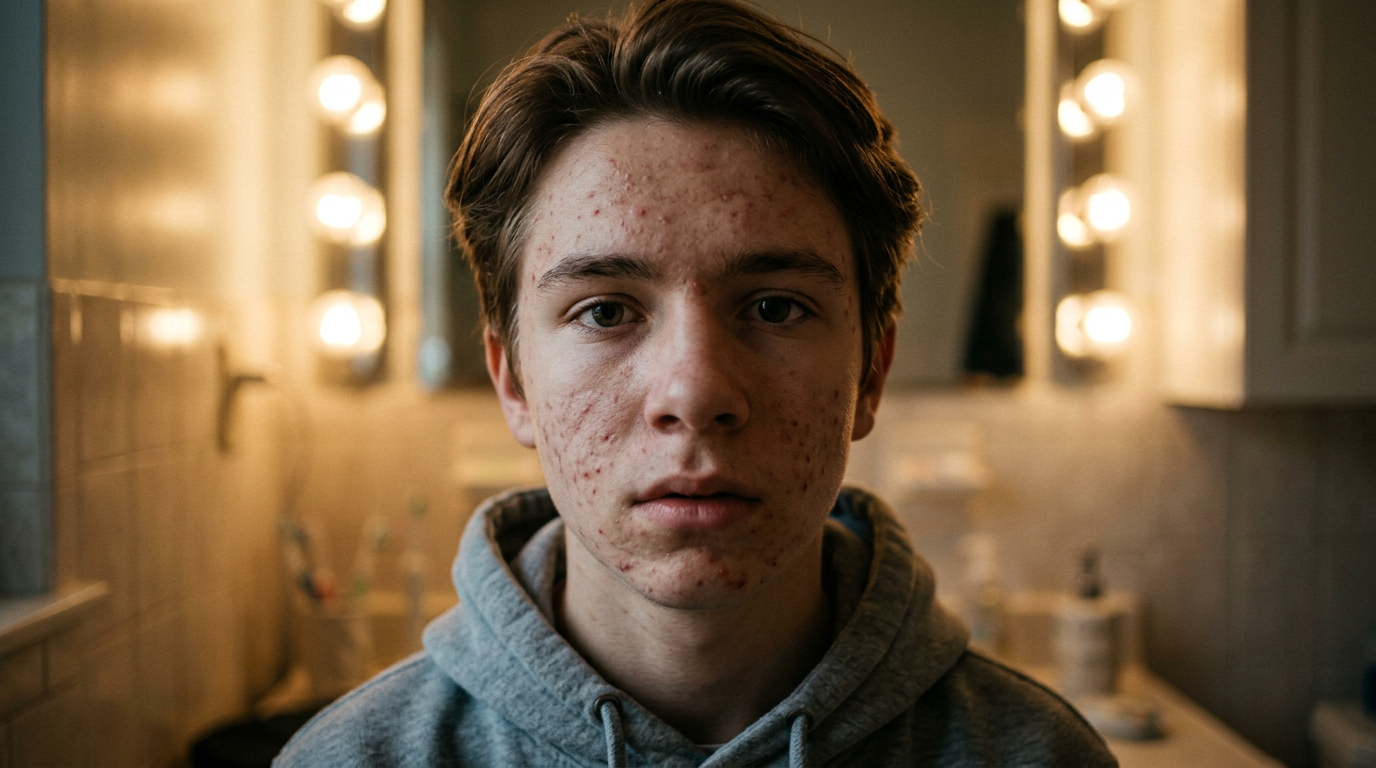
Teenage acne is hormonal. During puberty, the pilosebaceous units — the hair follicle and its attached oil gland — naturally produce oil to lubricate the hair and skin. In normal amounts, this is simply part of healthy, attractive-looking skin. During puberty, however, hormonal changes can push this system into overdrive, and the gland begins producing far more oil than the skin needs.

If that excess oil isn't removed at least twice daily through proper chemical exfoliation, it starts to clog the pores. The first visible sign is usually on the nose — increased oiliness and blackheads. If the pores remain blocked, the next stage is inflammation, overgrowth of Cutibacterium acnes bacteria, and ultimately pimples, acne cysts, and, in more severe cases, permanent scarring.
Why Skincare Comes Before Medication
Our dermatology specialists manage most teenage acne with a proper daily skincare routine first, adding in a topical prescription — such as a topical antibiotic, benzoyl peroxide, or tretinoin — only when skincare alone isn't sufficient. These topical treatments are useful for calming a flare-up, particularly around menstruation for girls or during periods of heavy exercise for boys, but they are not a substitute for the daily routine.
This point matters more than patients often expect: if the underlying skincare routine isn't followed properly, the acne will keep coming back, because the topical medication is treating the flare-up without addressing the cause. Getting rid of acne for good means addressing the oil production and pore-blocking at the source, every single day.
Other Factors That Make Acne Worse
Beyond hormones, several everyday habits can worsen acne. Oily skincare products, heavy sunscreens, makeup, and particularly fake tan can all block the pores further. Equally important is what happens after exfoliation: stripping the skin with chemical exfoliants without restoring the skin barrier afterwards simply creates a different problem. Oily skin still needs a moisturiser — just not an oily one.
Younger Teenagers Need Extra Care with the Skin Barrier

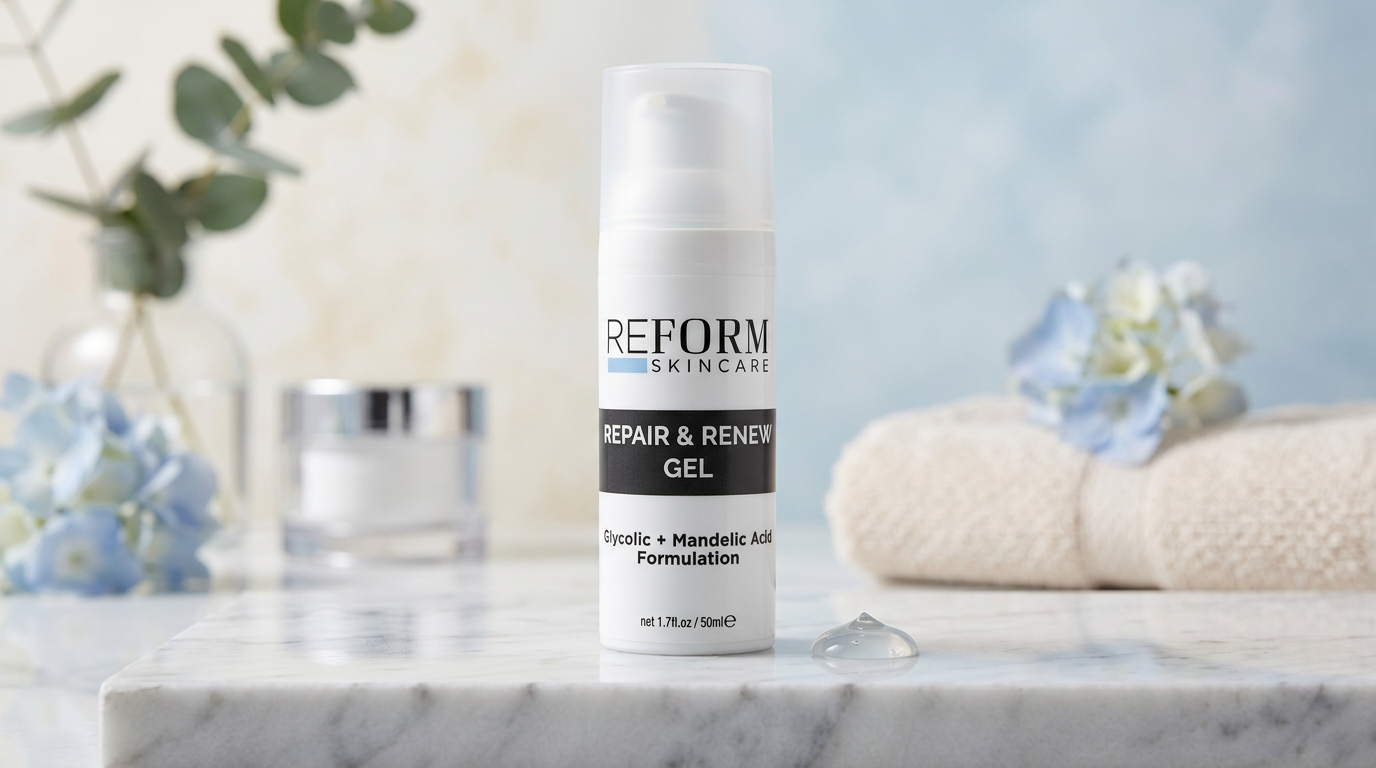
Some of our acne patients are very young teenagers, and younger skin is particularly sensitive. It still needs a skincare routine that actually works against acne, but with much closer attention paid to protecting the skin barrier. Where a patient has a background of eczema, dermatitis, sensitive skin or allergies, we'll often recommend a glycolic acid foaming wash in place of salicylic acid, alongside REFORM Skincare's vitamin B5 gel and daily moisturiser as a gentler starting point.
Sunscreen Compliance in Teenagers — A Real-World Problem
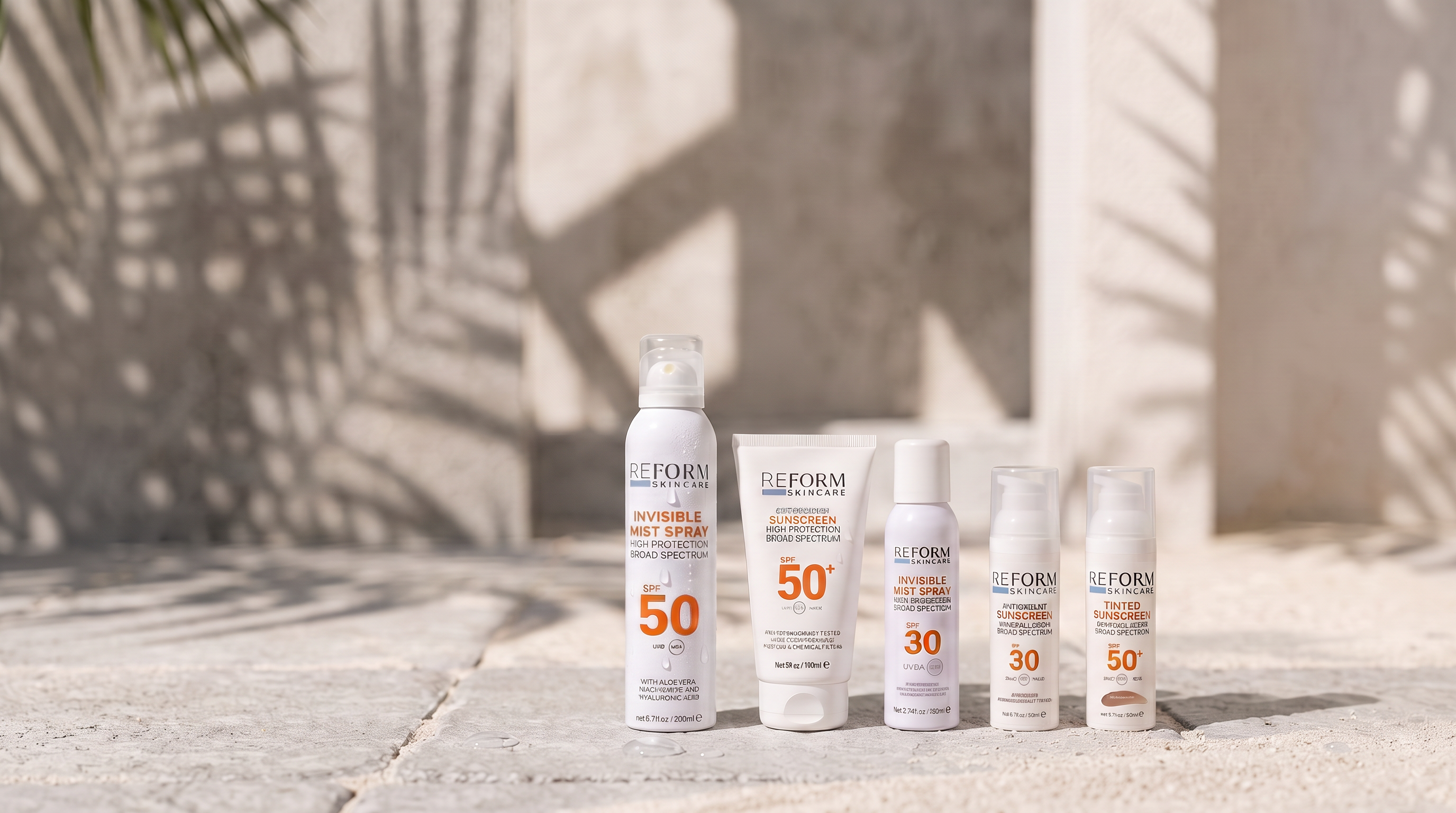
We always recommend a mineralised sunscreen cream for teenagers, but compliance is a genuine challenge, particularly around reapplication during the day. Teenage boys, in particular, often worry about being seen reapplying cream at school and simply won't do it — regardless of what they tell a parent or doctor.
For this reason, we often recommend REFORM's SPF 30 mist spray instead. It takes under a second to apply, leaves no visible residue on the skin, doesn't sting the eyes, and provides very good protection. It can also be reapplied easily over makeup, making it a far more realistic option for teenagers who would otherwise skip reapplication altogether.
When Teenage Acne Needs More Than Skincare
For teenagers whose acne can't be managed with skincare alone, a topical prescription can often be arranged through a photo consultation. More complex cases are better suited to a virtual consultation with one of our ADC doctors, and for patients who live locally and are happy to travel, in-person consultation is also available.
For more severe cases — particularly where there's a family history of severe, scarring acne — isotretinoin may be required. This is only considered once other options have genuinely been exhausted, and never as a first-line treatment.
Adult Acne: A Different Clinical Picture
Adult acne is a different condition to manage. By adulthood, most people should have grown out of the acne of their teenage years, so when it persists — or appears for the first time — our dermatology specialists look more closely into hormonal abnormalities, and, in rare cases, other underlying causes such as pituitary tumours. Further investigations may be requested where appropriate.
Because adult acne tends to be more persistent, stronger treatments such as isotretinoin are sometimes prescribed more readily in this age group, albeit typically at much lower doses — and this can be entirely appropriate given the clinical picture. The longer acne persists, the higher the risk of permanent scarring, which is why timely, expert management matters.
Virtual Consultations Have Transformed Access to Care
Given the risk of scarring, adults with acne vulgaris often opt for virtual consultations, though in-person visits are still needed where additional treatments — such as medical microneedling, chemical peels, or laser treatment — are required. Virtual dermatology consultations at ADC have made expert opinion accessible from the sofa, which has proven especially popular with busy young professionals, and the option has been hugely well received in the few months since we introduced it.
Where to Start
For patients who would prefer not to pay for a doctor's consultation initially, the REFORM Skincare website offers a free skin analysis: after submitting a photo, patients receive a bespoke skincare recommendation. Beyond that, patients can choose whichever route suits them — a photo consultation (teledermatology), a full virtual consultation, or an in-person appointment.
Book a Consultation
Whether you're managing teenage acne for the first time or dealing with acne that's persisted well into adulthood, our dermatology specialists across Dublin, Limerick, or London can help you find the right routine and, where needed, the right treatment.

Leave a comment
This site is protected by hCaptcha and the hCaptcha Privacy Policy and Terms of Service apply.