
Sweating Too Much? When to Seek Professional Help for Hyperhidrosis
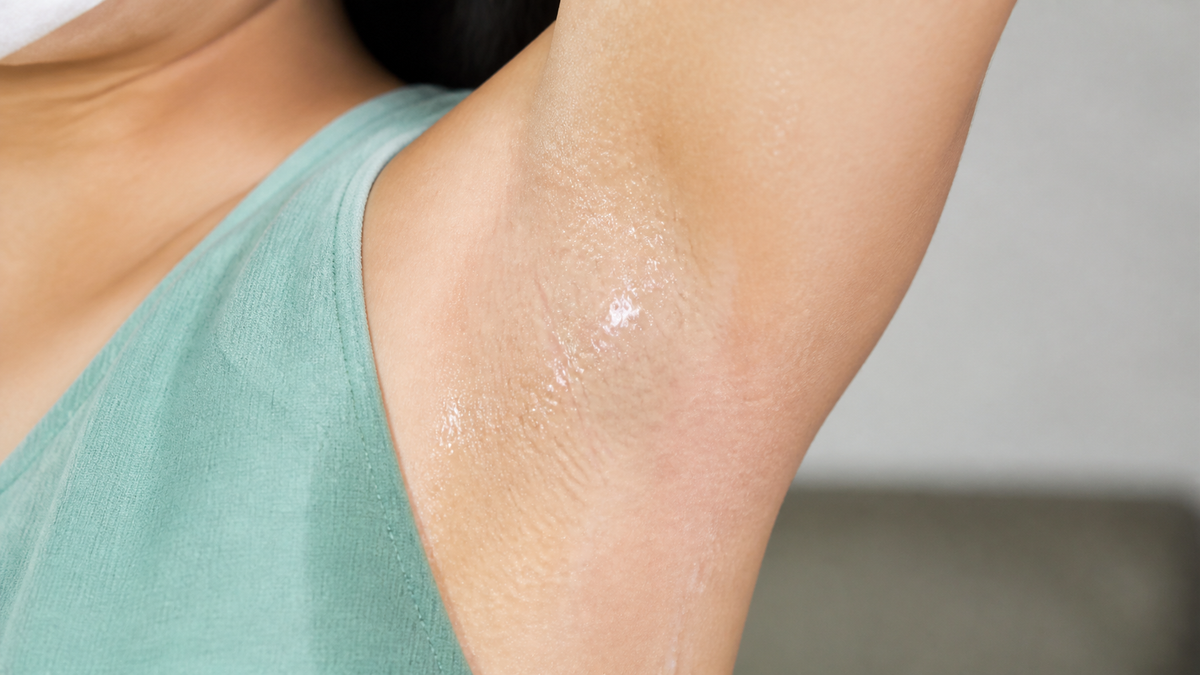
Everyone sweats. It is how the body cools itself down, and on a hot day, during exercise or in a stressful moment, a bit of perspiration is entirely normal. But for some people, sweating goes far beyond what the situation calls for. It happens in cool rooms, during quiet moments, and in volumes that soak through clothing. When sweat starts to interfere with daily life rather than simply respond to it, there is a name for it: hyperhidrosis.
What Is Hyperhidrosis?
Hyperhidrosis is the medical term for excessive sweating that is not explained by heat, exercise or emotional stress. It is not a sign of poor hygiene, and it is not something a person can simply will away. The sweat glands are working harder than they need to, often because the nerve signals that control them are overactive.
Doctors generally divide it into two broad types. Primary focal hyperhidrosis usually begins in childhood or adolescence and affects specific areas — most commonly the palms, soles, underarms, face and scalp. There is no underlying illness causing it; the problem lies in the nerve signals themselves. Secondary generalised hyperhidrosis tends to start later in life, affects larger areas of the body, and often occurs at night. This form is usually linked to another condition or to a medication, which makes identifying it particularly important.
How Much Sweating Is "Too Much"?
There is no precise millilitre threshold that separates normal from excessive. The practical test is the effect on your life rather than the volume alone. Signs worth paying attention to include:
- Sweating that is symmetrical and focused on the palms, soles, underarms or face
- Episodes occurring at least once a week
- Sweating that begins before the age of 25
- No sweating during sleep (typical of the primary form)
- A family history of the same problem
- Sweat that soaks through clothes or drips from the hands
If several of these sound familiar, it is reasonable to raise the subject with a doctor rather than continue managing it alone.
Why It Matters More Than People Assume
Because sweating carries a social stigma, hyperhidrosis is often dismissed as a cosmetic annoyance. In reality, its impact is closer to that of a chronic condition. People avoid shaking hands, hesitate to raise their arms, choose dark and loose clothing regardless of the weather, and sometimes avoid social or professional situations altogether. Studies consistently find higher rates of anxiety and low mood among those affected — and the anxiety is frequently a consequence of the sweating rather than its cause.
Skin problems are common too. Constantly damp skin, particularly on the feet and in skin folds, is vulnerable to fungal infections, bacterial overgrowth and irritation. In severe cases, dehydration and electrolyte imbalance can occur.
When to Seek Professional Help
The clearest signal is simple: if sweating is affecting your daily life, it is worth investigating. More specifically, see a doctor if you experience any of the following.
Night sweats. Waking up drenched, especially if it happens repeatedly, deserves prompt assessment. Night sweats are not typical of primary hyperhidrosis and can point to infection, hormonal disorders, lymphoma or other serious conditions.
Sweating that is new or changing. Sweating that begins suddenly in adulthood, or that worsens noticeably over weeks, is a change worth explaining rather than accepting.
Generalised sweating. If you are sweating across your whole body rather than in specific areas, an underlying cause should be ruled out.
Accompanying symptoms. Weight loss, fever, palpitations, tremor, breathlessness, chest pain, or a feeling of being unusually hot alongside sweating all warrant medical attention. Sweating with chest pain or breathlessness in particular should be treated as an emergency.
A medication change. Antidepressants, painkillers, diabetes medication, hormone treatments and some blood pressure drugs can all increase sweating. A review of your prescriptions is a sensible early step.
Significant emotional or occupational impact. If you are avoiding work, social events or relationships, that is a legitimate medical reason to seek help — not a trivial one.
Symptoms in a child or adolescent. Young people are often embarrassed to raise the issue. If you notice your child avoiding sport, refusing to wear certain clothes, or becoming withdrawn, it is worth a conversation with a GP or paediatrician.
What a Doctor Will Do
Assessment is usually straightforward and begins with a conversation. Your doctor will ask when the sweating started, where it occurs, whether it happens at night, what medications you take, and whether anyone in your family has the same problem. A physical examination follows.
Where primary focal hyperhidrosis is suspected, the diagnosis can often be made on history and examination alone. Where a secondary cause is possible, further tests may be arranged — blood tests to check thyroid function, blood sugar and blood counts, and occasionally imaging or specialist referral. A dermatologist may use a minor starch-iodine test to map the affected areas, which helps guide treatment.
Treatment Options
Treatment is usually stepped, starting with the least invasive measures and progressing only if needed.
Topical treatments. Antiperspirants containing aluminium chloride or aluminium chlorohydrate are the standard first-line option. They are stronger than ordinary deodorants and are typically applied at night. Skin irritation is common but manageable with correct use.
Iontophoresis. This involves passing a mild electrical current through water while the hands or feet are immersed. It is particularly effective for palms and soles and is usually done at home after training.
Oral medication. Anticholinergic drugs can reduce sweating across the body. They are useful for generalised or multi-site sweating, though dry mouth, blurred vision and constipation are common side effects. Beta-blockers are occasionally used where anxiety is a major trigger.
Botulinum toxin injections. Injections into the underarms, palms or soles block the nerve signals that drive the sweat glands. The effect typically lasts several months before repeat treatment is needed. This is an established, evidence-based option for severe focal hyperhidrosis.
Procedures. In resistant cases, options include microwave-based treatment (which destroys sweat glands in the underarm), laser-assisted approaches, and surgery to remove underarm sweat glands. Endoscopic thoracic sympathectomy, which interrupts the nerve pathway, is generally reserved for severe cases because of the risk of compensatory sweating elsewhere on the body.
Lifestyle measures. These are supportive rather than curative, but they make a genuine difference: breathable natural fabrics, moisture-wicking socks, rotating shoes, absorbent underarm pads, and keeping the skin clean and dry.
Practical Steps You Can Take Today
Alongside any medical treatment, a few adjustments help. Choose light-coloured, loose-fitting clothing in natural fibres. Keep a spare shirt or blouse at work. Use a clinical-strength antiperspirant at night rather than in the morning — the sweat glands are less active while you sleep, so it works better. Carry absorbent wipes. And if stress is a trigger, techniques such as slow breathing or talking therapy can reduce the frequency of episodes, though they will not eliminate a primary hyperhidrosis.
The Bottom Line
Sweating that disrupts your life is a medical issue, and it is one that responds well to treatment in most people. The key distinction to hold onto is between sweating that is a response to the environment and sweating that happens regardless of it — and, in particular, sweating that occurs at night or comes with other symptoms. Those are the signals to have checked without delay.
If you have been quietly tolerating this for years, assuming there is nothing anyone can do, it is worth knowing that there usually is. A conversation with your GP is the place to start.
This article is for general information only and is not a substitute for professional medical advice. If you are concerned about your symptoms, or if you experience sweating with chest pain, breathlessness or fever, seek medical attention promptly.

Leave a comment
This site is protected by hCaptcha and the hCaptcha Privacy Policy and Terms of Service apply.