
Spotting Skin Cancer, Practising Daily Sun Care and Accessing Expert Dermatology Care
Skin cancer can affect anyone, regardless of age, skin tone or lifestyle. Although fair skin, frequent sun exposure and a history of sunburn may increase risk, no one should assume they are immune. The encouraging news is that many skin cancers can be treated successfully when identified early.
Knowing your skin, protecting it from ultraviolet (UV) radiation and seeking qualified medical advice when something changes are three practical steps that can make a real difference.
How to Check Your Skin
A skin check does not need to be complicated. Once a month, examine your skin in good light, using a full-length mirror and a hand mirror where necessary. Look at your face, scalp, ears, neck, chest, back, arms, hands, legs and feet - including between your fingers and toes and beneath your nails.
The aim is to become familiar with what is normal for you. Photographs can help you compare marks over time, but they should not replace a professional assessment.
The ABCDE signs of melanoma
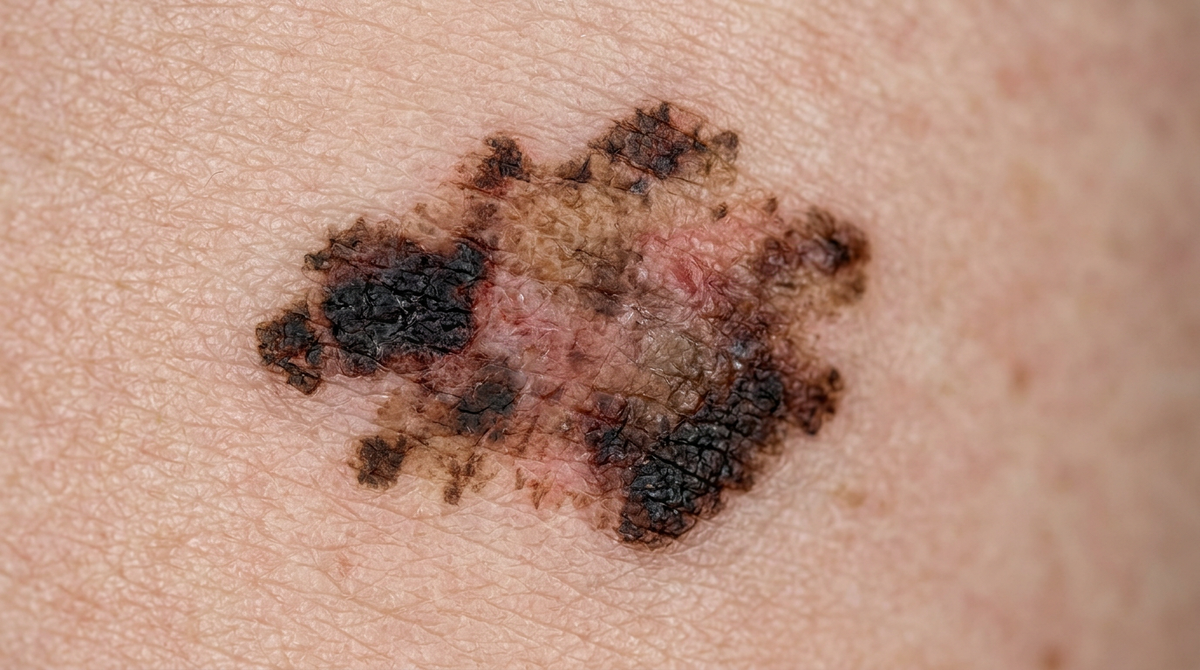
The ABCDE guide can help you identify a mole or pigmented area that may need medical attention:
- A - Asymmetry: One half looks different from the other.
- B - Border: The edges appear irregular, blurred, notched or poorly defined.
- C - Colour: The mark contains uneven colour or several shades, such as brown, black, pink or red.
- D - Diameter: The mark is growing or measures more than approximately 6 mm, although melanomas can be smaller.
- E - Evolving: The mole changes in size, shape, colour, height, sensation or behaviour.
The "ugly duckling" sign is also useful. This describes a mole that looks noticeably different from the others on your body. Cancer Research UK advises contacting a doctor promptly if you are concerned about an abnormal mole or skin change.
Skin changes beyond moles
Not every skin cancer resembles a dark or unusual mole. Non-melanoma skin cancers may appear as:
- A new growth or unusual patch
- A sore that does not heal
- A scaly, crusty or persistently rough area
- A shiny, pearly or translucent bump
- A red or inflamed patch
- A lesion that repeatedly bleeds or forms a scab
- A mark that becomes itchy, tender or painful
These changes often occur on sun-exposed areas such as the face, ears, scalp, neck, shoulders, hands and lower legs, but they can develop anywhere.
Skin cancer can look different across skin tones. On darker skin, suspicious changes may be less obvious and can appear on areas that receive little sun, including the palms, soles and beneath the nails. Any persistent or evolving change deserves attention.
When to Seek Medical Advice
Do not wait for a mark to match every warning sign. Contact your GP if a mole changes, a new lesion looks unusual, or a sore fails to heal. Growth, bleeding, recurring scabbing, itching, scaling and pain are all reasons to arrange an assessment.
Before the appointment, note when you first noticed the change and whether it has evolved. A clear photograph may help demonstrate progression. Tell the doctor about previous skin cancers, significant sunburn, sunbed use and any family history.
Your GP may examine the area directly, photograph it for specialist review or refer you to a dermatologist. A dermatologist may use a dermatoscope - a specialised magnifying instrument - to examine structures beneath the skin's surface. If cancer is suspected, a biopsy or removal of the lesion may be recommended. Only an appropriate medical examination, and sometimes laboratory analysis, can provide a diagnosis.

Private dermatology services may offer another route to assessment, but check that the clinician is suitably qualified and experienced in diagnosing skin cancer. Cosmetic clinics, beauty therapists and skincare consultations are not substitutes for medical care.
Daily Sun Care That Works
UV damage accumulates throughout life. It is not limited to beach holidays or very hot days; skin can burn in the UK even when the weather is cool or cloudy.
Daily protection should combine sunscreen with sensible behaviour:
- Choose broad-spectrum protection. Use at least SPF 30 and look for strong UVA protection, such as a UVA circle or a rating of at least four stars. This helps protect against both UVA and UVB radiation.
- Apply enough. Cover exposed skin thoroughly, including the ears, neck, hairline, backs of the hands and tops of the feet.
- Apply before exposure. Follow the product instructions and allow time for an even layer to settle.
- Reapply regularly. Apply again after swimming, sweating, towel-drying or whenever the product may have rubbed off.
- Use shade and clothing. Sunscreen is not armour. Seek shade when UV levels are high and wear protective clothing, a broad-brimmed hat and UV-protective sunglasses.
- Avoid sunbeds. They expose the skin to harmful UV radiation and increase skin-cancer risk.
- Protect children carefully. Childhood sunburn contributes to future risk, so shade, suitable clothing and age-appropriate sunscreen matter.
For those seeking a high-protection option, REFORM Skincare SPF 50+ Antioxidant Sunscreen can be incorporated as the sunscreen step in a morning routine. The brand also offers an SPF 30 Mineral Sunscreen, SPF 50+ Tinted Sunscreen and SPF mist formats, allowing users to select a texture suited to their skin and daily activities. Whatever the product, it must be applied generously and reapplied as directed; no sunscreen offers complete protection.
Antioxidant skincare may complement a sun-care routine, but it does not replace sunscreen. Likewise, make-up containing SPF should not be assumed to provide adequate coverage unless enough is applied and the product offers suitable UVA and UVB protection.
Prevention and Early Detection Belong Together
Sun protection lowers risk, but it cannot reverse every exposure or guarantee that skin cancer will not develop. Skin checking is equally important, including for people who wear sunscreen consistently.
Build both habits into ordinary life: apply broad-spectrum sunscreen each morning, strengthen protection when spending time outdoors and perform a monthly head-to-toe check. Ask a partner or family member to examine areas that are difficult to see, such as the scalp and back.
Most skin changes are not cancer, but self-diagnosis is unreliable. If something looks new, unusual or different - or simply concerns you - arrange a medical assessment rather than watching it indefinitely. Early action is always more valuable than perfect certainty.


Leave a comment
This site is protected by hCaptcha and the hCaptcha Privacy Policy and Terms of Service apply.