
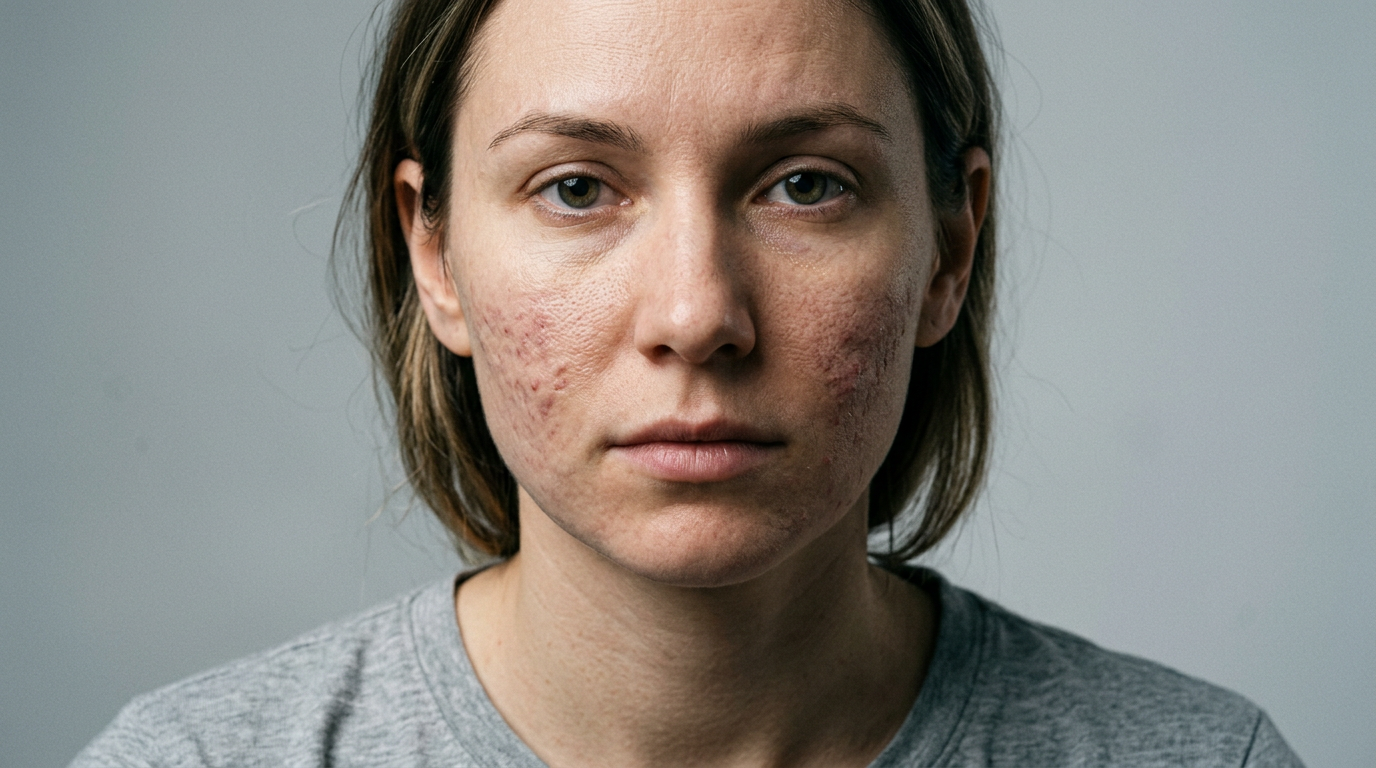
Is it purging or a bad reaction? How to decode what your skin is telling you
If your skin suddenly becomes worse after starting an acne treatment, it can be difficult to know what is happening. Is your skin simply adjusting? Is it what people commonly call “purging”? Or are you experiencing irritation, an allergic reaction or perhaps even a different skin condition altogether?
Knowing the difference matters.
At Adare Dermatology clinics in Ireland, with services in Limerick and Dublin we regularly see patients who are understandably concerned when their acne changes after starting treatment. In some circumstances, an initial worsening can occur. In others, it is a sign that your treatment needs to be reviewed.
The key message is simple: don't automatically assume that worsening spots are a purge.
What does “purging” actually mean?
“Purging” is a term commonly used to describe a temporary increase in breakouts after starting certain active skincare ingredients or acne treatments that increase skin cell turnover.
However, the term can be overused. Not every breakout after starting a new product is purging.
With acne vulgaris, treatment can take time to produce its full benefit. Some prescription treatments may initially cause irritation, while others require several weeks before you see a meaningful improvement. It is therefore important not to abandon an effective treatment too quickly — but equally important not to ignore significant or unusual changes.
This is particularly relevant when treating severe inflammatory acne.
Isotretinoin and an initial worsening of acne
Isotretinoin is one of the most effective treatments available for severe acne, but it is a powerful medicine that needs appropriate medical supervision.
At Adare Dermatology, patients starting isotretinoin are specifically advised about what to look out for during the early stages of treatment.
Some patients, particularly those with severe inflammatory acne, can experience a significant worsening of their acne early in treatment. This may include increased inflammation or breakouts in areas such as the shoulders or chest where they did not previously have acne.
That is not something a patient should simply assume is “purging” and wait out.
If there is a significant deterioration, we advise patients to contact their dermatology specialist. Depending on the individual circumstances, the dermatologist may alter the treatment plan and, in selected cases, prescribe a short course of low-dose oral corticosteroids to help control a severe inflammatory flare.
This is one of the reasons why specialist supervision is so important when taking isotretinoin.
Most acne does not require isotretinoin
Although isotretinoin can be transformative for the right patient, most people with acne vulgaris do not need it.
Many cases can be managed successfully with a consistent skincare routine and, when appropriate, prescription topical treatments.
The foundations are surprisingly straightforward.
Acne is influenced by excess sebum, blocked pores, inflammation and changes involving the skin's microbiome, including Cutibacterium acnes. Because the skin continuously produces oil, cleansing and appropriate skincare need to be consistent rather than occasional.

At Adare Dermatology, we often recommend the Reform Skincare anti-blemish kit as part of an acne-focused routine. The aim is to help exfoliate the skin and reduce the accumulation that can contribute to blocked pores.
But there is another side to acne skincare that is just as important: protecting the skin barrier.
Don't forget your skin barrier
It is tempting to think that treating acne means making the skin as dry and stripped as possible. In reality, excessive irritation can make skincare much harder to tolerate.
Depending on the individual patient, we may recommend products such as vitamin B5 gel alongside an everyday, oil-free moisturiser to support the skin barrier.
And sunscreen is essential.
A sensible acne routine should therefore balance cleansing and exfoliation with hydration and barrier support. The objective is not to punish the skin; it is to create an environment in which acne treatment can be used consistently.
For many patients, simply establishing an appropriate daily routine can make a noticeable difference. The benefits may continue to improve with consistent use over time.
Sometimes skincare alone isn't enough
There are occasions when a skincare routine is only the starting point.
A dermatology specialist may prescribe additional treatments such as benzoyl peroxide, topical antibiotics or topical tretinoin, depending on the type and severity of acne and the patient's individual circumstances.
These treatments can often work alongside an appropriate skincare routine.
For some patients, oral medication may also be appropriate. Depending on the cause and pattern of acne, treatment options can include oral antibiotics, spironolactone or certain hormonal contraceptive options.
One important point is that these treatments generally take time to work.
Patients are often understandably frustrated when they don't see an immediate transformation. However, many acne treatments require approximately 8–12 weeks before their full effect can be properly assessed.
So sometimes what looks like treatment failure is actually a matter of needing more time.
But what if it isn't acne?
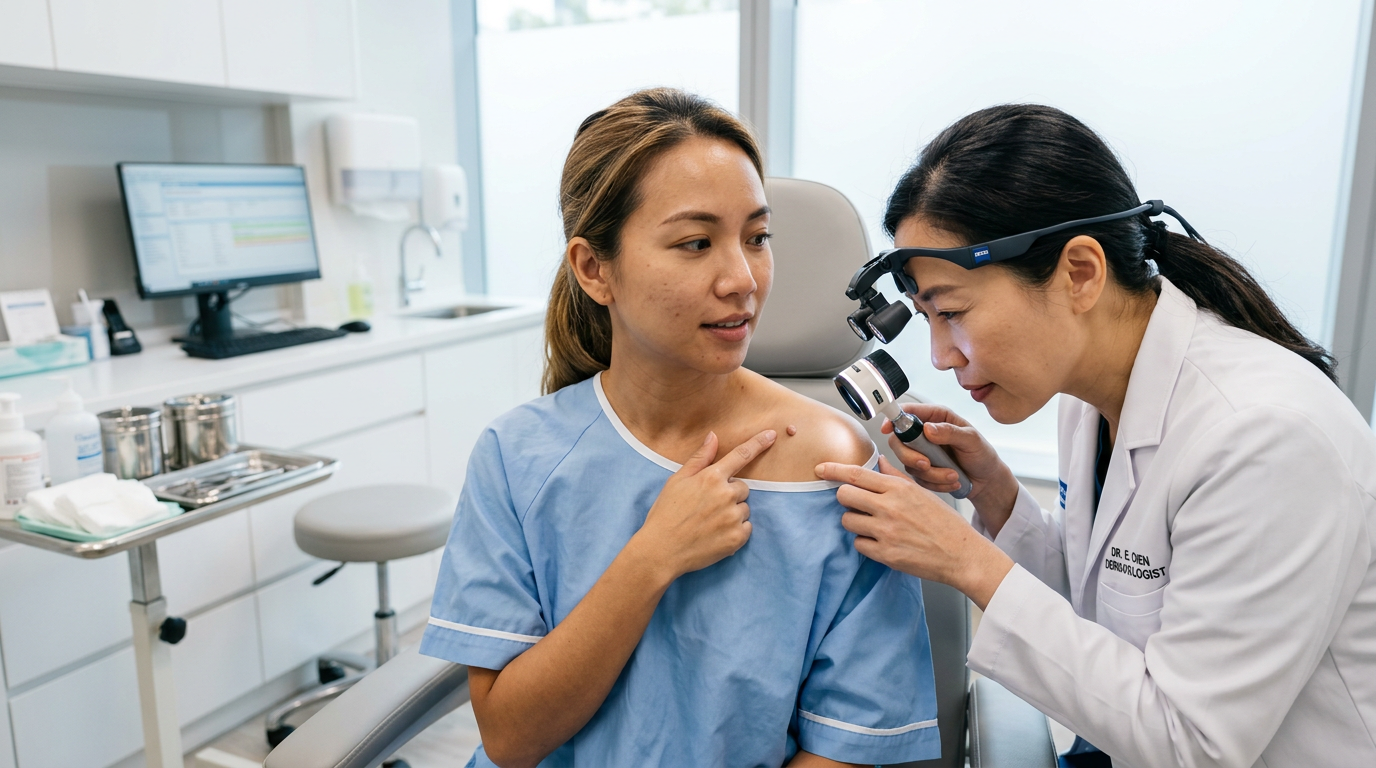
This is where seeing a dermatology specialist can make a major difference.
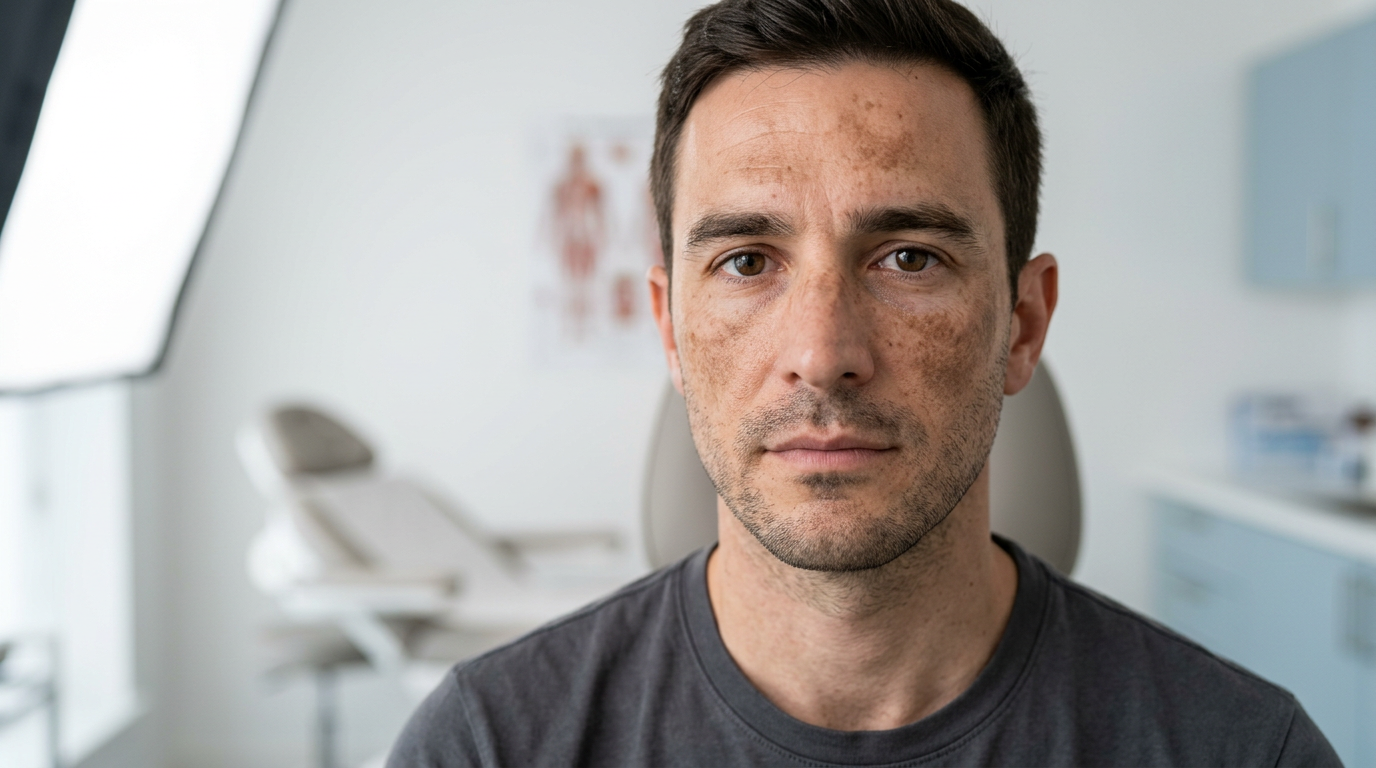
Not every facial spot is acne.
Conditions such as folliculitis, perioral dermatitis and other inflammatory skin disorders can sometimes look similar to acne. Less commonly, other medical conditions can produce acne-like changes.
Hidradenitis suppurativa, for example, is a distinct inflammatory skin condition that can be confused with other problems depending on its presentation. There are also rare circumstances in which conditions such as lupus need to be considered.
If the diagnosis is wrong, repeatedly changing acne products may not solve the underlying problem.
Patients can end up spending months — or even years — trying different products without getting the right diagnosis or treatment.
Sometimes the best place to start is therefore not another skincare product, but a dermatology assessment.
What happens if your treatment isn't working?
At Adare Dermatology, we generally review acne patients at around three months.
That doesn't mean you have to wait three months if something is seriously wrong. If you experience a significant deterioration, severe irritation, an unexpected rash or another concerning change, you should contact your treating clinician sooner.
At the three-month review, we can assess whether the original treatment is producing the desired result. If it isn't, the treatment can be changed.
That might mean a different prescription, a revised skincare routine or a combination approach.
For patients who want to take their results further, additional treatments such as chemical peels or laser treatments may also be considered, depending on the individual and their goals.
Dermatology expertise when access is difficult
Access to dermatology expertise can be challenging, particularly in the UK and Ireland, where waiting times and availability can make getting specialist advice difficult.
At Adare Dermatology clinics, we have introduced a virtual dermatology consultation, allowing patients to access a dermatology specialist without necessarily having to attend a clinic in person.
For suitable patients, this can provide a much quicker route to expert advice, including outside traditional office hours.
We have also introduced a photo consultation service. This can be particularly useful for someone who already has a skincare routine but feels that their acne is not quite under control and may benefit from additional treatment, such as a topical prescription.
It can be a more affordable way to access dermatology expertise when a full consultation is not necessary.
There's also an option for skincare advice without a doctor's consultation
For people who don't necessarily want or need to pay for a medical consultation, there is another option.

Reform Skincare has introduced an AI-powered skin analysis through reformskincare.com, which can assess information about your skin and recommend skincare based on your skin type and concerns.
For someone looking for guidance on choosing skincare products, this can be a useful starting point.
However, an AI skincare recommendation is not a substitute for a medical diagnosis. If acne is severe, persistent, painful, scarring, suddenly worsening or not responding to treatment, professional medical assessment remains important.
So, is it purging or a bad reaction?
The answer isn't always obvious from looking at your skin.
A few new spots after starting a product may be part of the adjustment process. A gradual improvement over several weeks can be perfectly normal. But significant worsening, widespread inflammation, new areas of acne, intense irritation or a rash may indicate that something else is happening.
And sometimes the problem isn't the treatment at all — the original diagnosis may be incorrect.
The most important thing is not to spend months guessing.
A good acne treatment plan should start with the correct diagnosis, use an appropriate skincare routine, introduce medication when necessary and then reassess whether it is actually working.
At Adare Dermatology, our approach is to treat the person and their skin rather than simply treating individual spots. Whether that starts with a skincare routine, prescription treatment, a virtual consultation, a photo consultation or more specialist acne management, the goal is the same: clearer, healthier skin with a treatment plan that you can realistically maintain.
If your acne suddenly gets worse after starting treatment, don't automatically call it a purge. Listen to what your skin is telling you — and if you're unsure, ask a dermatology specialist.

Leave a comment
This site is protected by hCaptcha and the hCaptcha Privacy Policy and Terms of Service apply.