
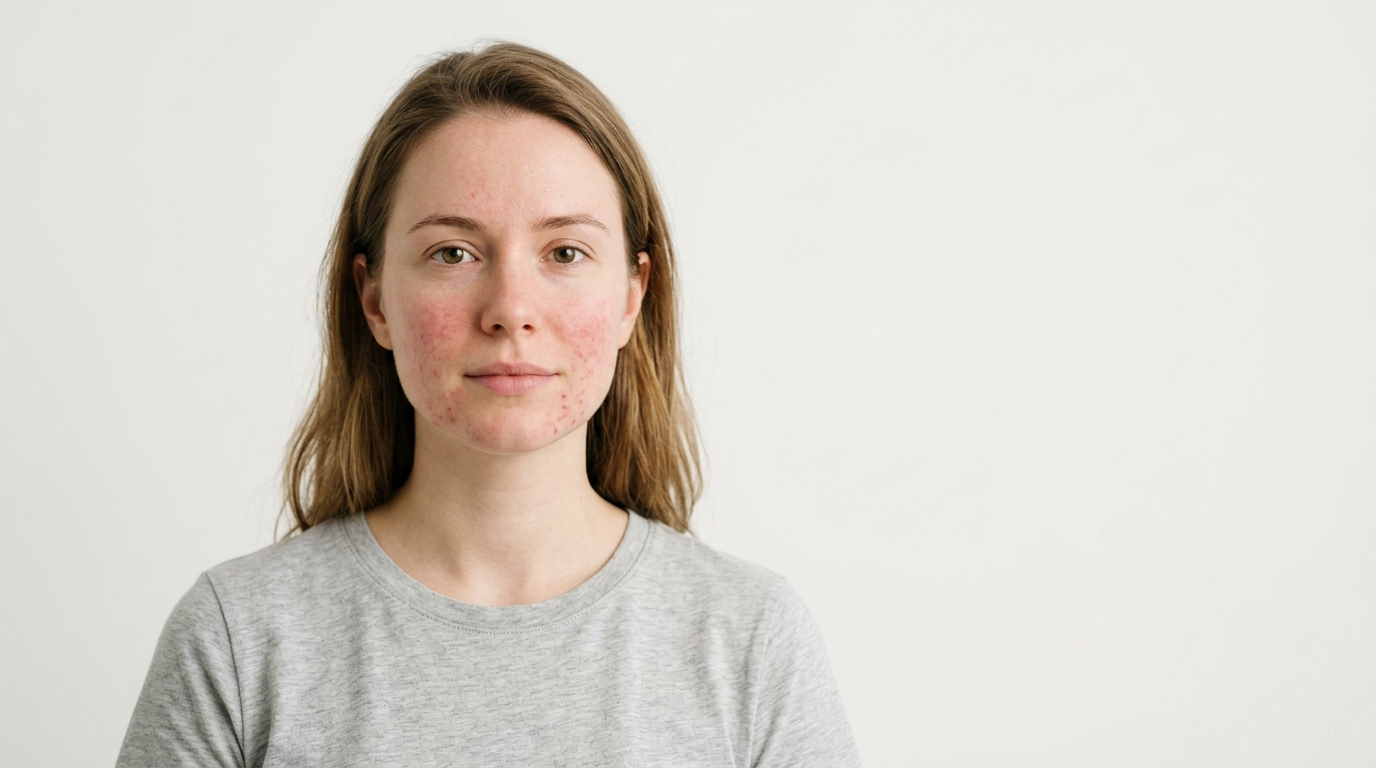
How to Spot the Difference and Stop the Flare-Up
Two conditions, eerily similar symptoms, and wildly different treatments — here's everything you need to know to tell them apart and take control of your skin.
Red, itchy, inflamed patches of skin can turn everyday life into a cycle of discomfort and frustration. You avoid certain fabrics, dread dry weather, and find yourself Googling every new patch that appears. But here's the problem most people run into early: eczema and psoriasis look remarkably alike to the untrained eye, and mistaking one for the other can mean months — even years — of ineffective treatment and unnecessary flare-ups.
Understanding which condition you're dealing with is the single most important step toward calmer, healthier skin. This guide walks you through the key differences between eczema and psoriasis, the triggers that fuel each one, and practical strategies to stop flare-ups before they spiral.
What Exactly Are We Dealing With?
Eczema (Atopic Dermatitis)
Eczema is a chronic inflammatory skin condition rooted in a compromised skin barrier. Think of healthy skin as a brick wall — the cells are the bricks, and natural lipids are the mortar holding everything together. In eczema, that mortar is thin and cracked, allowing moisture to escape and irritants to sneak in. The immune system overreacts to those irritants, and the result is the red, intensely itchy patches most people associate with the condition.
Eczema typically shows up in childhood — often before age five — though it can persist into adulthood or appear for the first time later in life. It's closely linked to the atopic triad: eczema, asthma, and hay fever. If you have one, you're statistically more likely to develop the others.
Psoriasis
Psoriasis, on the other hand, is an autoimmune condition in which the immune system mistakenly accelerates the growth cycle of skin cells. Normal skin cells take about a month to mature and shed. In psoriasis, that process compresses to just three or four days. The cells pile up on the surface faster than the body can shed them, forming thick, raised plaques covered in silvery-white scales.
Psoriasis most commonly appears between the ages of 15 and 35, though it can develop at any age. It's not just a skin disease — it's a systemic inflammatory condition linked to higher risks of psoriatic arthritis, cardiovascular disease, and metabolic syndrome.
Spotting the Difference: A Side-by-Side Look
Here's where things get practical. Both conditions cause red, inflamed skin, but the details diverge in important ways.

Appearance. Eczema patches tend to look raw and weepy, especially during acute flares. The skin may crack, ooze clear fluid, and eventually crust over. Psoriasis plaques, by contrast, are thicker, more clearly defined, and topped with dry, silvery scales that can flake off. If you run your finger over a psoriasis plaque, it feels distinctly raised — like a plateau on the skin's surface.
Location. Eczema favors the creases — the insides of elbows, behind the knees, the wrists, the neck, and around the eyes. In infants, it often starts on the cheeks and scalp. Psoriasis gravitates toward the extensor surfaces — the outsides of elbows and knees — along with the scalp, lower back, and sometimes the nails and palms.
Itch quality. Both conditions itch, but the character differs. Eczema itch is often described as deep and burning, sometimes so intense it disrupts sleep. Psoriasis itch tends to feel more like a sting or a surface-level burn, and not every person with psoriasis experiences significant itching.
Age of onset. Eczema skews younger. Psoriasis can strike at any age but peaks in young adulthood and again after 50.
Nail involvement. Psoriasis frequently affects the nails, causing pitting (small dents in the nail surface), discoloration, thickening, or separation from the nail bed. Eczema rarely involves the nails in this way.
If you're unsure, a dermatologist can usually distinguish the two with a visual exam. In ambiguous cases, a small skin biopsy provides a definitive answer.
Understanding Your Triggers
Knowing your condition is half the battle. The other half is understanding what sets it off. Flare-ups don't happen randomly — they follow patterns, and those patterns are your roadmap to prevention.
Common Eczema Triggers
- Dry air and low humidity. Winter months and air-conditioned environments strip moisture from already vulnerable skin.
- Irritants. Harsh soaps, detergents, fragrances, and certain fabrics (especially wool) can provoke a flare within hours.
- Allergens. Dust mites, pet dander, pollen, and mold are classic culprits.
- Stress. Emotional stress doesn't just worsen eczema — it can trigger flares on its own through elevated cortisol and immune dysregulation.
- Sweat. Overheating and sweating, particularly during exercise, can irritate sensitive skin.
- Food sensitivities. In some people — especially young children — specific foods like dairy, eggs, or nuts can trigger or worsen eczema.
Common Psoriasis Triggers
- Stress. Like eczema, stress is a major driver — but in psoriasis, it can trigger entirely new plaques, not just worsen existing ones.
- Infections. Strep throat is a well-documented trigger for guttate psoriasis, a subtype that causes small, drop-shaped lesions across the torso.
- Skin injury. Known as the Koebner phenomenon, psoriasis can develop at the site of cuts, scrapes, sunburns, or even tattoos.
- Medications. Lithium, beta-blockers, antimalarials, and rapid withdrawal from systemic corticosteroids can all trigger or worsen psoriasis.
- Alcohol and smoking. Both are associated with more severe and treatment-resistant psoriasis.
- Cold, dry weather. Similar to eczema, low humidity worsens psoriasis — but UV exposure often improves it, which is why many people notice their plaques fade in summer.
Stopping the Flare-Ups: Practical Strategies That Work
Managing either condition requires a two-pronged approach: daily maintenance to keep the barrier strong and targeted intervention when flares break through.
Daily Habits for Both Conditions
Moisturize aggressively. This is non-negotiable. Apply a thick, fragrance-free moisturizer or emollient within three minutes of bathing, while the skin is still damp. This locks in hydration and reinforces the barrier. Look for ingredients like ceramides, glycerin, and petrolatum. Lotions are generally too thin — reach for creams or ointments instead.
Bathe smart. Use lukewarm water, not hot. Keep showers under 10 minutes. Swap out scented body washes for gentle, soap-free cleansers. Pat — don't rub — your skin dry with a soft towel.
Wear soft, breathable fabrics. Cotton and bamboo are kind to sensitive skin. Avoid wool and synthetic materials that trap heat and sweat.
Manage stress proactively. Regular exercise, adequate sleep, mindfulness practices, and even brief daily breathing exercises can lower the baseline inflammation that makes flares more likely.
Track your triggers. Keep a simple journal — note what you ate, what products you used, your stress level, and the weather. Over time, patterns emerge. Those patterns give you control.
Eczema-Specific Strategies
- Use a humidifier in your bedroom during dry months to keep ambient humidity between 40% and 60%.
- Apply prescribed topical corticosteroids or calcineurin inhibitors at the first sign of a flare — early treatment prevents escalation.
- Consider wet wrap therapy for severe flares: apply medication and moisturizer, then wrap the area in a damp layer followed by a dry layer. This boosts absorption and soothes inflamed skin.
- Talk to your dermatologist about newer biologics like dupilumab if moderate-to-severe eczema isn't responding to topical treatments.
Psoriasis-Specific Strategies
- Embrace controlled sun exposure. Brief, regular exposure to natural UV light (10–15 minutes, with sunscreen on unaffected areas) can slow plaque growth. Phototherapy under medical supervision is a more controlled version of this approach.
- Use medicated shampoos containing coal tar, salicylic acid, or ketoconazole for scalp psoriasis.
- Don't pick or scratch plaques. This triggers the Koebner response and can spread lesions to new areas.
- Explore systemic treatments for moderate-to-severe cases. Methotrexate, cyclosporine, and newer biologics targeting TNF-alpha, IL-17, and IL-23 have transformed psoriasis management over the past decade.
When to See a Dermatologist
Self-care goes a long way, but there are clear moments when professional help becomes essential:
- Your flare-ups are increasing in frequency or severity despite consistent home care.
- Over-the-counter treatments aren't providing meaningful relief within two to three weeks.
- Your skin is showing signs of infection — increased redness, warmth, swelling, pus, or fever.
- The condition is affecting your sleep, work, or mental health.
- You notice joint pain or stiffness alongside skin symptoms — this could indicate psoriatic arthritis, which requires early treatment to prevent joint damage.
A dermatologist can confirm your diagnosis, rule out look-alike conditions, and build a treatment plan tailored to your specific triggers and severity.
The Bottom Line
Eczema and psoriasis share surface-level similarities, but they are fundamentally different conditions with different causes, different triggers, and different treatment paths. Treating one as if it were the other is one of the most common — and most frustrating — mistakes people make.
The good news: once you know what you're dealing with, you have real power over it. Identify your triggers. Build a consistent daily routine. Treat flares early and aggressively. And partner with a dermatologist who understands your specific condition. Flare-ups may never disappear entirely, but they can become rarer, milder, and far more manageable.
Your skin is trying to tell you something. Learning its language is the first step toward quieter, calmer days ahead.

Leave a comment
This site is protected by hCaptcha and the hCaptcha Privacy Policy and Terms of Service apply.