

How Clear Photos Lead to a Fast, Accurate Skin Diagnosis
Online skin consultations and digital skin analysis have made expert guidance more accessible than ever. Instead of waiting weeks for an in-person appointment, you can often submit photographs of your skin and receive an initial assessment or personalised skincare recommendations remotely.
However, the quality of that assessment depends heavily on the quality of the images provided. A photograph that is blurred, poorly lit or heavily filtered can hide the very details needed to evaluate your skin. Clear, honest images help a clinician or digital analysis system identify visible concerns more quickly and accurately - and recommend a more suitable next step.
Why image quality matters
Many skin concerns share similar features. Redness may be linked to sensitivity, irritation, rosacea or an impaired skin barrier. Breakouts may include blackheads, inflamed spots, congestion or irritation caused by unsuitable products. Pigmentation can also appear in several forms, each with different possible triggers.
A high-quality photograph provides useful visual information about:
- Colour: including redness, brown marks, uneven tone and areas of inflammation.
- Texture: such as roughness, flaking, fine lines, enlarged pores or raised blemishes.
- Distribution: whether a concern is concentrated in one area or appears symmetrically across the face.
- Severity: including the size, density and extent of visible changes.
- Skin condition: whether the complexion looks oily, dry, congested, irritated or dehydrated.
When these details are visible, the assessor can distinguish between concerns that might otherwise look alike. This reduces uncertainty and can help prevent unsuitable skincare recommendations.
Clear photos can speed up the assessment
Poor images often create additional work. An assessor may need to request new photographs, ask more questions or delay recommendations until the skin can be seen properly.
Clear photos give the assessor useful information from the start. This can shorten the process by reducing avoidable follow-up and helping them focus on the most likely concerns.
A complete set of images is usually more useful than a single close-up. A front-facing photograph shows the overall complexion, while photographs of the left and right sides reveal the cheeks, jawline and temples. A close-up can then capture a particular blemish, patch or area of pigmentation in greater detail.
How to take useful skin photographs
You do not need specialist equipment. A modern smartphone is usually sufficient, provided you follow a few simple steps.
1. Use natural, indirect daylight
Stand near a window during the day, but avoid strong sunlight falling directly across your face. Bright sun can create glare and deep shadows, while warm indoor lighting may alter the appearance of your skin tone.
Soft, even daylight tends to provide the most accurate representation of redness, pigmentation and texture. If daylight is unavailable, use a bright, neutral light positioned in front of you rather than above or behind you.
2. Start with clean, bare skin
Remove make-up, tinted sunscreen and products that add shine or colour. These can conceal redness, blur pores or change the appearance of pigmentation.
If possible, wait around 15 to 20 minutes after cleansing before taking photographs. Washing, rubbing and hot water can temporarily increase redness, particularly in sensitive skin.
3. Clean the camera lens
A fingerprint on the lens can make an otherwise well-composed photograph look hazy. Wipe the lens gently before you begin.
Use the rear camera where practical, as it may capture more detail than the front-facing camera. If that makes positioning difficult, ask someone you trust to take the photographs.
4. Keep the camera steady and in focus
Hold the phone at eye level and keep your face centred. Tap the screen over the area of concern to set the focus, then check that the final photograph is sharp before submitting it.
Avoid placing the camera extremely close to the skin. This can cause distortion and make it harder to understand where the concern sits on the face. Take one photograph showing the wider area, followed by a focused close-up if needed.
5. Capture several angles
A useful basic set includes:
- One photograph facing directly towards the camera.
- One photograph of the left side of the face.
- One photograph of the right side.
- One close-up of the main concern.
Keep your expression relaxed and move hair away from the face. Include the forehead, cheeks, nose, chin and jawline wherever relevant.
6. Avoid filters and digital editing
Beauty modes, portrait effects and social media filters can smooth texture, reduce redness, brighten dark marks and alter facial contours. Even automatic enhancement may remove clinically useful detail.
Submit the original photographs wherever possible. The aim is not to create a flattering image; it is to provide an accurate one.
Photographs should be supported by context

Even excellent images cannot explain everything. A safe and useful assessment also depends on information about your symptoms, routine and health history.
Include relevant details such as:
- When the concern began and whether it has changed.
- Whether the area is itchy, painful, burning, bleeding or tender.
- The skincare products and active ingredients you currently use.
- Any recent changes to medication, hormones, diet or lifestyle.
- Known allergies or previous skin diagnoses.
- Treatments you have already tried and how your skin responded.
This context matters because photographs show what the skin looks like, but not how it feels or how the problem developed.
From assessment to an appropriate routine
Once visible concerns have been assessed, skincare should be selected according to the skin's actual needs rather than trends or guesswork. Introducing several strong active ingredients at once can make it difficult to identify what is helping and may increase irritation.
For example, a photograph showing blemishes does not automatically mean the skin needs aggressive exfoliation. If the images also suggest dryness or barrier disruption, a gentler approach may be more suitable. Depending on the assessment, that could involve simple cleansing, moisturising and daily sun protection before targeted products are introduced.
REFORM Skincare's digital AI Skin Analysis is designed to analyse submitted skin images and guide product selection. Where appropriate, recommendations might include products such as the Gentle Hydrating Crème Cleanser, Everyday Moisturiser or an SPF product. More targeted options, including the Anti-blemish Crème, should be chosen only when they match the concern and the individual's skin tolerance. REFORM Skincare
No cosmetic skincare product should be presented as a substitute for medical care. Persistent acne, worsening rashes, unexplained changes or suspicious lesions require assessment by a qualified healthcare professional.
Know when a photograph is not enough
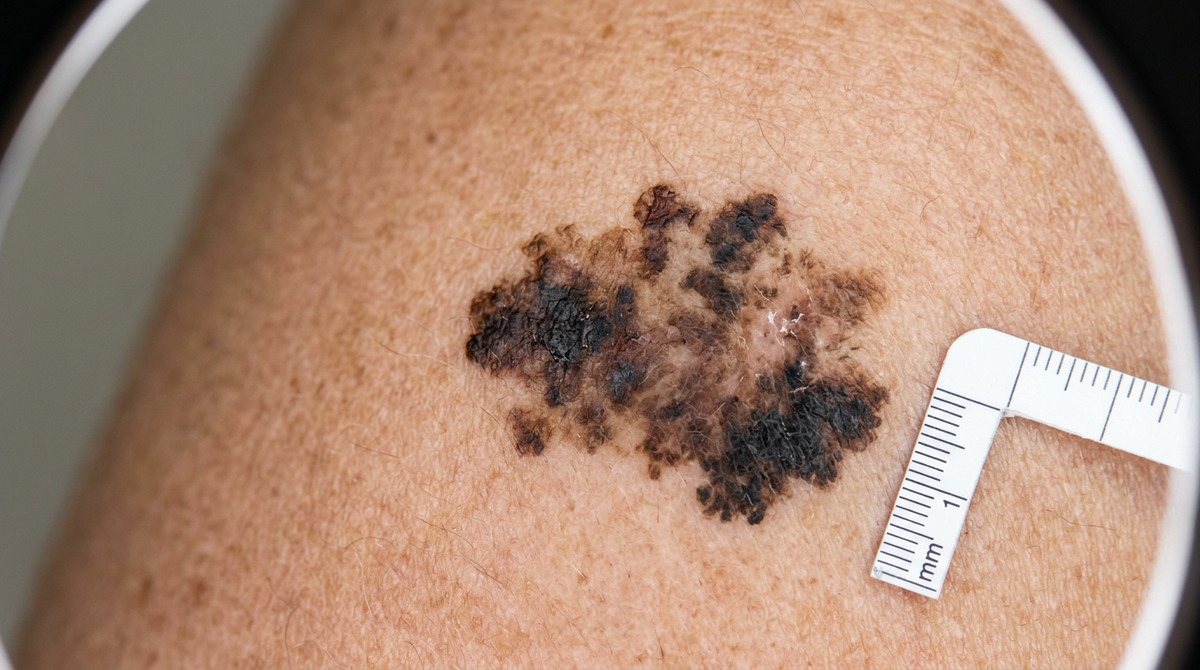
Remote photographs can support screening, triage and skincare advice, but they have limits. A clinician may need to examine the skin closely, feel a lesion, use specialist equipment or arrange testing before making a diagnosis.
Seek prompt medical advice if you notice:
- A mole or lesion changing in size, shape or colour.
- A sore that does not heal.
- Unexplained bleeding, crusting or rapid growth.
- Severe pain, swelling or blistering.
- A widespread rash accompanied by breathing difficulty, facial swelling, fever or feeling seriously unwell.
These concerns should not be delayed while waiting for an online skincare recommendation.
Better images support better decisions
A clear photograph cannot guarantee a diagnosis, but it can significantly improve the quality and speed of a remote assessment. Natural light, bare skin, sharp focus, several angles and an unedited image allow important visual details to be evaluated more reliably.
The most useful photograph is not the most polished one. It is the one that shows your skin truthfully. Combined with an accurate history and appropriate professional oversight, clear images can lead to faster decisions, more relevant skincare guidance and a safer path towards healthier-looking skin.


Leave a comment
This site is protected by hCaptcha and the hCaptcha Privacy Policy and Terms of Service apply.