
Hormones, UV and Genetics: The Primary Root Causes Behind Melasma
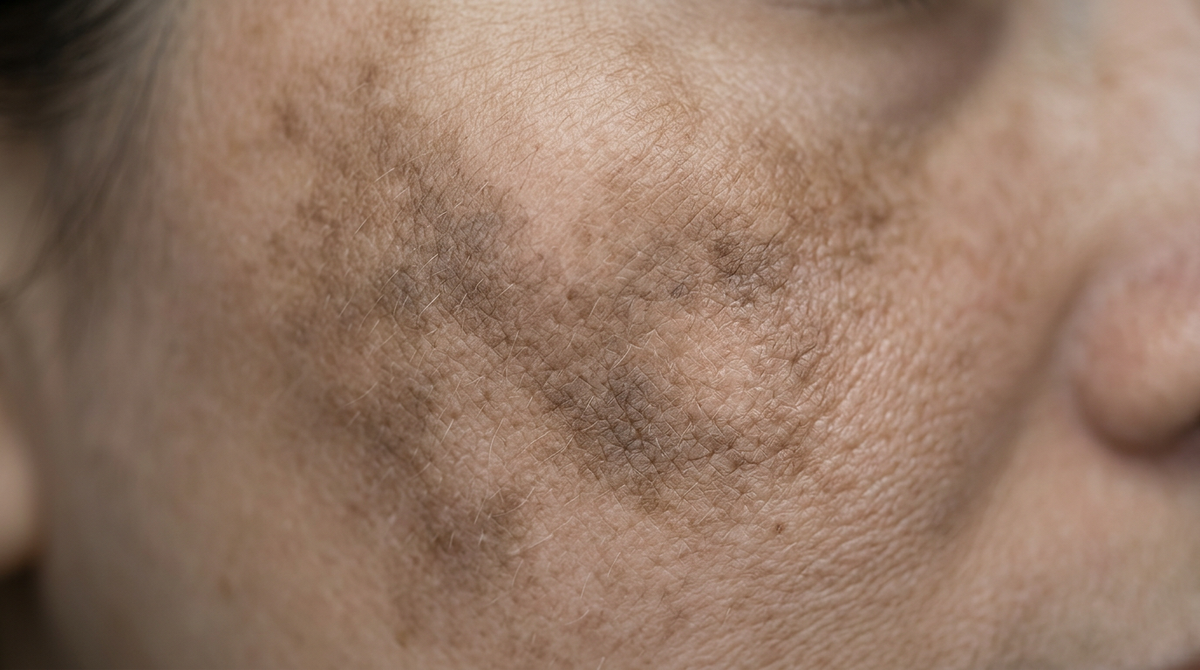
Melasma is a common pigmentation condition characterised by symmetrical brown or grey-brown patches, usually appearing on the cheeks, forehead, upper lip, nose and chin. Although it is harmless, it can be persistent and may have a considerable emotional impact.
Melasma is not simply the result of “too much pigment”. It develops when melanocytes - the cells responsible for producing melanin - become overactive. Hormonal changes, ultraviolet radiation and genetic predisposition are three of the most important factors behind that activity. Understanding how they interact can help you manage melasma more effectively and avoid routines that inadvertently make it worse.
1. Hormones: Why Melasma Often Appears During Pregnancy
Melasma is sometimes called the “mask of pregnancy” because it frequently develops during pregnancy, when levels of oestrogen and progesterone rise. These hormonal fluctuations can stimulate melanocytes and increase the production of melanin, particularly in skin that is already genetically susceptible.
Hormonal contraception and hormone replacement therapy may also trigger or worsen pigmentation in some people. However, hormones rarely act alone. They tend to increase the skin’s sensitivity to other triggers, especially sunlight.
This helps explain why one person may take hormonal contraception without developing melasma, while another notices pigmentation soon after starting it. The difference may lie in genetics, skin type, cumulative sun exposure and the skin’s underlying tendency towards inflammation.
Hormonal melasma may fade after pregnancy or after a hormonal trigger is removed, but it does not always disappear completely. Once melanocytes have become highly reactive, exposure to UV radiation, visible light or heat may continue to stimulate them.
If pigmentation appears after starting medication, do not stop taking it without medical advice. Speak to your GP, dermatologist or prescribing clinician about whether hormonal factors could be contributing.
2. UV Radiation: The Most Important Aggravating Factor
Both UVA and UVB radiation can intensify melasma. UVB mainly affects the skin’s surface and is strongly associated with sunburn, while UVA penetrates more deeply and contributes to longer-term pigmentation and premature ageing.
UV exposure stimulates melanocytes to produce more pigment as part of the skin’s natural defence system. In melasma-prone skin, this response can be excessive and uneven. Importantly, exposure does not have to cause sunburn to make melasma darker. Everyday activities - walking outside, driving or sitting near a bright window - can contribute to cumulative exposure.
Visible light may also worsen melasma, especially in medium to deeper skin tones. For this reason, a tinted sunscreen containing mineral pigments may offer an advantage for some people by helping to protect against visible light as well as ultraviolet radiation.
Daily sun protection is therefore the foundation of melasma management, not an optional extra. REFORM Skincare offers several formats, including its SPF 50+ Antioxidant Sunscreen, SPF 50+ Tinted Sunscreen, SPF 30 Mineral Sunscreen and SPF mist sprays. The most appropriate choice is one that suits your skin and that you will apply generously every day.

Apply sunscreen each morning to the face, ears, neck and other exposed areas. Reapply during prolonged outdoor exposure, particularly after sweating or swimming. A wide-brimmed hat, sunglasses and shade provide additional protection, but they should complement rather than replace sunscreen.
Heat may aggravate melasma too, even without direct sunlight. Hot environments, saunas and high-intensity exercise can cause flushing and inflammatory signalling, potentially making pigmentation more difficult to control in susceptible individuals.
3. Genetics: Why Some Skin Is More Susceptible
Melasma often runs in families. If a parent or close relative has experienced it, your likelihood of developing the condition may be higher. Genetics can influence how readily melanocytes respond to sunlight, hormones, heat and inflammation.
The condition can affect anyone, but it is more frequently seen in women and in people with medium to deeper skin tones. These skin types naturally contain melanocytes that can produce pigment more readily. This does not mean that darker skin is unhealthy or damaged; it simply has a different pigment response.
Genetics can also help explain why melasma behaves differently from one person to another. For some, the pigment is concentrated closer to the surface. For others, it sits deeper in the skin or has a mixed pattern. Deeper pigmentation may be slower to improve, making professional assessment especially valuable.
A genetic predisposition does not make melasma inevitable or untreatable. It means that consistent prevention and realistic expectations are particularly important. Pigmentation may improve considerably, but relapses are common when sun protection or maintenance treatment is discontinued.
How the Three Causes Work Together
Hormones, UV exposure and genetics should not be viewed as separate explanations. In many cases, they form a chain reaction.
A person may inherit pigment-sensitive skin, experience hormonal changes during pregnancy and then develop visible patches after UV exposure. Even when hormone levels stabilise, sunlight and heat may continue to reactivate the melanocytes. This is why treating melasma requires an ongoing strategy rather than a short, aggressive attempt to “erase” pigment.
Inflammation and irritation can add another layer to the problem. Over-exfoliation, harsh scrubs or combining too many potent active ingredients may damage the skin barrier. Inflammation can then stimulate further pigmentation, particularly in deeper skin tones.
Building a Melasma-Conscious Skincare Routine
A simple, consistent routine is usually more useful than frequently changing products.
Morning
Begin with a gentle cleanser, such as the REFORM Gentle Hydrating Crème Cleanser, particularly if your skin is dry or easily irritated. Follow with an antioxidant serum. The REFORM Vitamin C 20% Serum or HYAL Vitamin C + E Serum may help support a bright, more even-looking complexion while complementing - but never replacing - sunscreen.
Finish with broad-spectrum sun protection. For melasma, a high-protection product such as REFORM SPF 50+ Antioxidant Sunscreen is a practical daily option. Those concerned about visible light may prefer the SPF 50+ Tinted Sunscreen.
Evening
Cleanse gently to remove sunscreen and make-up. Depending on your skin’s tolerance and professional advice, products containing retinol or glycolic acid may help improve uneven tone by encouraging skin renewal.
REFORM’s range includes Retinol 1% Crème, Glycolic Acid Foaming Cleanser and Repair & Renew Gel. These should not all be introduced at once. Strong actives can cause dryness and irritation, which may worsen pigmentation rather than improve it. Start slowly, avoid unnecessary layering and stop if the skin becomes persistently sore, inflamed or flaky.
Retinoids are generally avoided during pregnancy and breastfeeding unless a qualified healthcare professional advises otherwise. Anyone who is pregnant, breastfeeding, taking medication or managing a skin condition should seek personalised guidance before using potent actives.
Support the skin barrier with appropriate hydration. The REFORM Vitamin B5 Gel, Everyday Moisturiser or Skin Barrier Repair Cream may be useful depending on your skin type and level of dryness. A healthy barrier improves tolerance and reduces the likelihood that irritation will complicate pigmentation.
When to Seek Professional Advice
Not every brown patch is melasma. Sun spots, post-inflammatory hyperpigmentation and certain medical conditions can look similar. Consult a dermatologist or qualified medical professional if pigmentation appears suddenly, changes noticeably, affects only one side, or does not resemble the usual symmetrical pattern of melasma.
Professional treatment may include prescription creams, chemical peels or carefully selected energy-based procedures. These treatments require expertise because overly aggressive intervention can cause irritation, rebound pigmentation or post-inflammatory hyperpigmentation.
Melasma is often best understood as a manageable, relapsing condition rather than one with a permanent cure. Genetics establish susceptibility, hormones can initiate or intensify pigment production, and UV exposure repeatedly fuels the process. By combining rigorous daily sun protection, barrier-supportive skincare, carefully chosen active ingredients and professional advice when needed, it is possible to achieve a clearer and more even-looking complexion without compromising the health of the skin.

Leave a comment
This site is protected by hCaptcha and the hCaptcha Privacy Policy and Terms of Service apply.