
Acne Rosacea: Understanding the Skin Condition Millions Live With
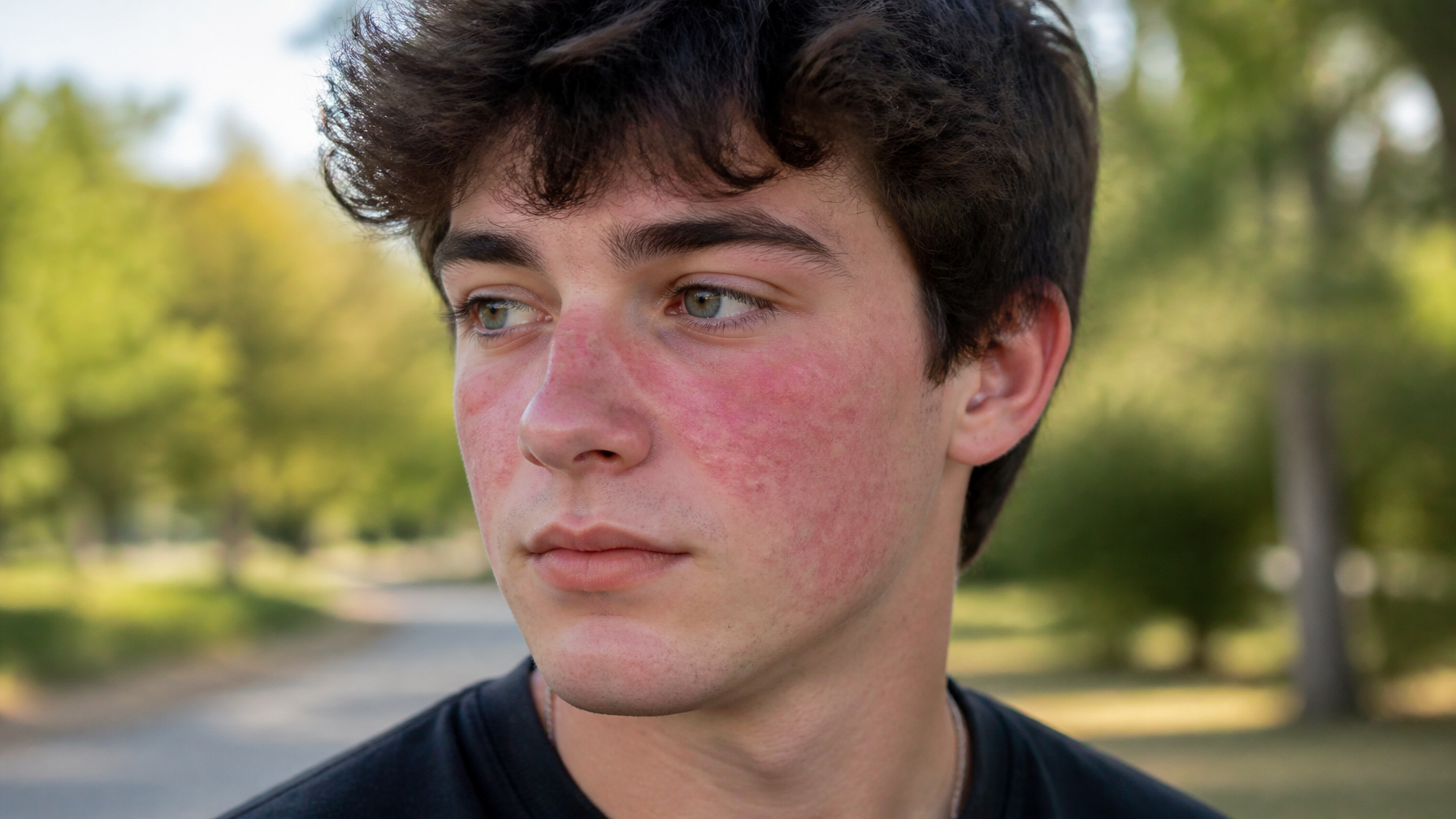
Redness that never quite fades. A flush that shows up uninvited and lingers long after the moment has passed. Tiny bumps that look like acne but don't respond to the usual treatments. For the roughly 415 million people worldwide affected by rosacea, these experiences are a daily reality — and one that's often misunderstood, misdiagnosed, or dismissed entirely.
Acne rosacea, more accurately called rosacea, is a chronic inflammatory skin condition that primarily affects the central face. Despite the name, it isn't truly acne at all. The "acne" label stuck because the papules and pustules it produces can closely resemble traditional breakouts. But rosacea has distinct causes, triggers, and treatment pathways — and understanding those differences is the first step toward managing it effectively.
What Exactly Is Acne Rosacea?
Rosacea is a long-term condition characterized by facial redness, visible blood vessels, and inflammatory bumps. It tends to develop gradually, often beginning as a tendency to blush or flush more easily than other people. Over time, that temporary redness can become persistent, and additional symptoms may appear.
The condition most commonly affects fair-skinned adults between the ages of 30 and 50, though it can occur in people of any skin tone — it's simply harder to detect on darker skin, which contributes to underdiagnosis in communities of color. Women develop rosacea more frequently than men, but men tend to experience more severe forms, particularly the subtype that causes thickening of the skin around the nose (a condition called rhinophyma).
Dermatologists generally classify rosacea into four subtypes:
- Erythematotelangiectatic rosacea — Persistent facial redness, flushing, and visible blood vessels (telangiectasia).
- Papulopustular rosacea — The subtype most often confused with acne. Involves redness accompanied by swollen, pus-filled bumps.
- Phymatous rosacea — Skin thickening and irregular surface nodularities, most commonly on the nose.
- Ocular rosacea — Affects the eyes, causing dryness, irritation, swollen eyelids, and a gritty sensation. This subtype is frequently overlooked.
Many people experience features of more than one subtype simultaneously, and the condition can shift over time.
What Causes It?
The honest answer is that researchers still don't fully understand the root cause of rosacea. What's clear is that it involves a combination of genetic predisposition, immune system dysregulation, neurovascular abnormalities, and environmental triggers.
Several contributing factors have been identified:
Immune response and inflammation. People with rosacea tend to have elevated levels of certain antimicrobial peptides — particularly cathelicidin — in their skin. These peptides, which are part of the innate immune system, trigger inflammatory pathways that lead to redness, swelling, and visible blood vessel formation.
Demodex mites. These microscopic mites live on everyone's skin, but research has shown that people with rosacea tend to have significantly higher concentrations of Demodex folliculorum on their faces. It's not entirely clear whether the mites contribute to inflammation or simply thrive in rosacea-affected skin, but treating the mite overpopulation often improves symptoms.
Vascular instability. The blood vessels in rosacea-prone skin appear to dilate more easily and take longer to constrict, which explains the persistent flushing and redness.
Genetics. Rosacea often runs in families, and genome-wide studies have identified several genetic variants associated with the condition, some of which overlap with autoimmune markers.
Common Triggers

One of the most practical things a person with rosacea can learn is what triggers their flare-ups. While triggers vary from person to person, several are widely reported:
- Sun exposure — the single most commonly cited trigger
- Emotional stress
- Hot or cold weather and wind
- Spicy foods and hot beverages
- Alcohol, particularly red wine
- Strenuous exercise
- Certain skincare products, especially those containing alcohol, fragrance, or exfoliating acids
- Hot baths or saunas
Keeping a simple trigger diary — noting what you ate, did, and applied to your skin on days when flare-ups occur — can be remarkably helpful in identifying personal patterns over time.
How Rosacea Differs from Acne
The resemblance between papulopustular rosacea and acne vulgaris leads to frequent confusion, but the two conditions differ in important ways:
| Feature | Acne Vulgaris | Rosacea |
|---|---|---|
| Age of onset | Teens and young adults | Typically 30+ |
| Comedones (blackheads/whiteheads) | Present | Absent |
| Persistent redness | Usually absent | A hallmark |
| Visible blood vessels | No | Common |
| Location | Face, back, chest | Central face primarily |
| Response to retinoids | Generally positive | Can worsen rosacea |
This distinction matters because treatments that work well for acne — like benzoyl peroxide in high concentrations, strong retinoids, and aggressive exfoliation — can actually aggravate rosacea significantly. Misdiagnosis doesn't just delay proper care; it can make the condition worse.
Treatment Options
There's no cure for rosacea, but a range of treatments can bring symptoms under meaningful control. Most dermatologists recommend a combination of medical treatments, skincare adjustments, and trigger avoidance.
Topical Treatments
- Metronidazole — An anti-inflammatory topical that's been a first-line treatment for decades. Applied as a cream or gel, it reduces papules, pustules, and background redness.
- Azelaic acid — Reduces inflammation and has mild antimicrobial properties. Well-tolerated by most patients.
- Ivermectin cream — Targets Demodex mites while also reducing inflammation. Studies have shown it to be highly effective for papulopustular rosacea.
- Brimonidine gel — Works by temporarily constricting blood vessels to reduce facial redness. Effects are visible within hours but are temporary.
Oral Medications
- Low-dose doxycycline — Used at sub-antimicrobial doses (40 mg modified-release), doxycycline acts as an anti-inflammatory without contributing to antibiotic resistance. It's one of the most evidence-supported oral treatments.
- Isotretinoin — Reserved for severe, treatment-resistant cases. Used at much lower doses than for acne.
Procedural Treatments
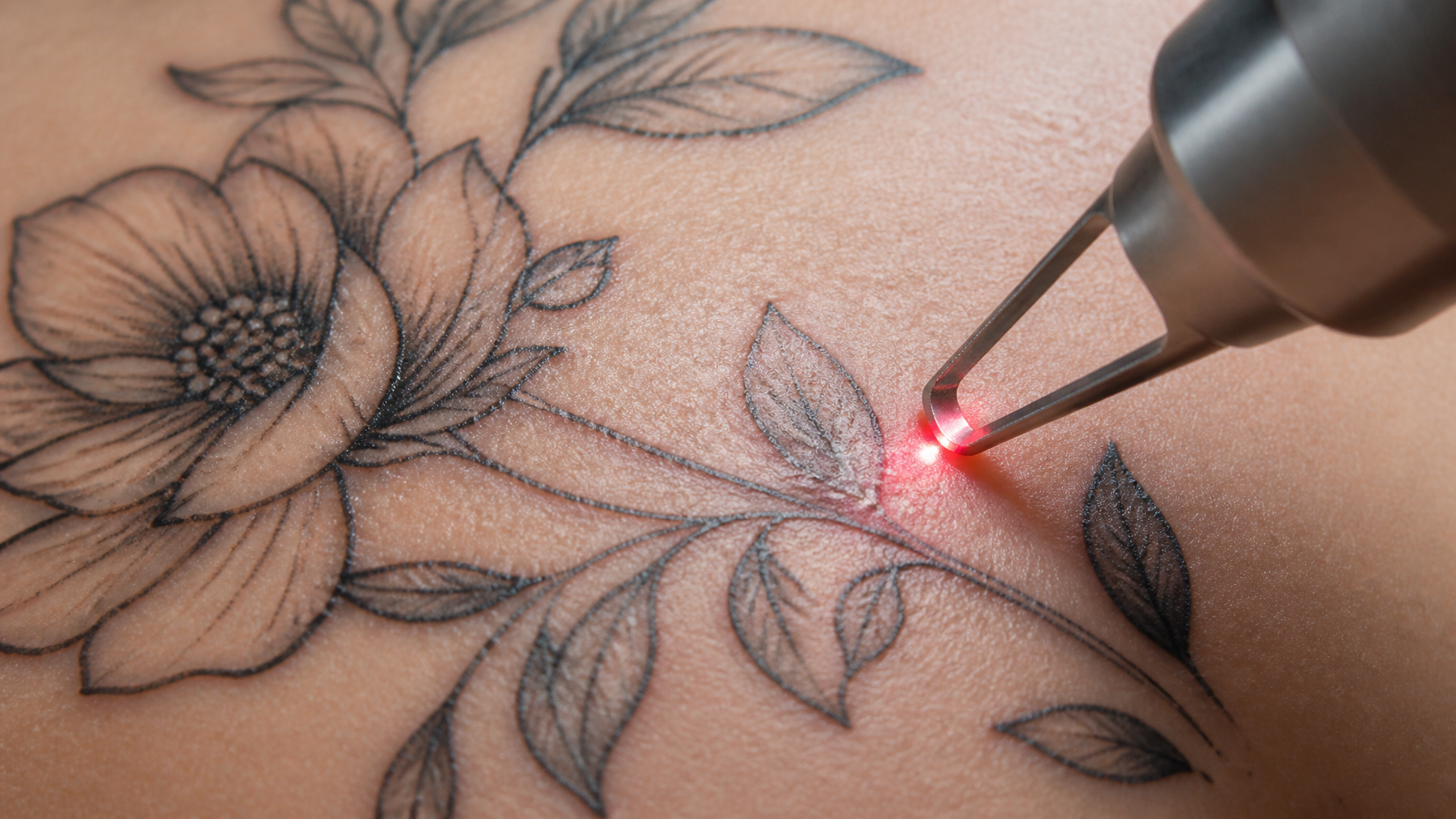
- Laser and intense pulsed light (IPL) therapy — Effective for reducing persistent redness and visible blood vessels. Multiple sessions are typically needed, and results can be long-lasting.
- Electrosurgery — Sometimes used to treat rhinophyma or prominent telangiectasia.
Skincare Strategy
Managing rosacea-prone skin requires a gentle, minimalist approach:
- Use a mild, fragrance-free cleanser
- Apply a broad-spectrum SPF 30+ sunscreen daily — mineral formulations with zinc oxide or titanium dioxide tend to be better tolerated than chemical sunscreens
- Moisturize with a simple, barrier-repairing cream
- Avoid products with alcohol, menthol, witch hazel, and strong fragrances
- Introduce any new product one at a time and monitor for reactions
The Emotional Weight
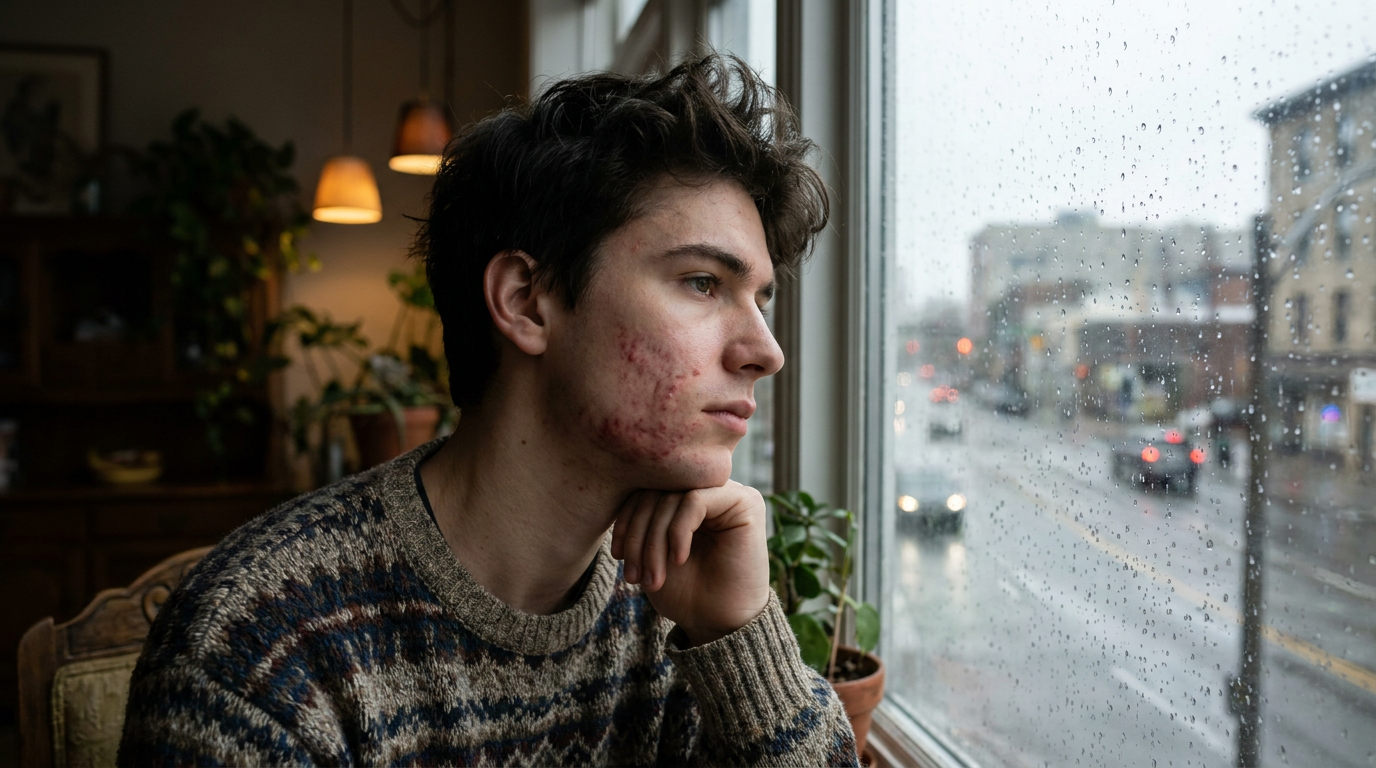
What often goes undiscussed is the psychological impact of rosacea. Research consistently shows that people with rosacea report higher rates of anxiety, depression, and social avoidance compared to the general population. The visibility of the condition — always on the face, always in public — can erode self-confidence and lead to withdrawal from social situations.
A survey by the National Rosacea Society found that more than 90% of respondents reported lowered self-esteem and self-confidence, while 41% said the condition had caused them to avoid public contact or cancel social plans.
These aren't trivial complaints. The emotional burden of a visible chronic condition is real, and it deserves to be part of the conversation with healthcare providers. Cognitive behavioral therapy, support groups, and sometimes medication for associated anxiety or depression can all play a role in comprehensive care.
Living Well with Rosacea
Rosacea is a chronic condition, which means the goal isn't elimination but management — and for most people, effective management is entirely achievable. A few principles can make a meaningful difference:
- Get a proper diagnosis. If over-the-counter acne treatments aren't working or are making things worse, see a dermatologist. An accurate diagnosis changes everything.
- Learn your triggers. This takes time and observation, but it puts real control in your hands.
- Commit to sun protection. Sunscreen every day, regardless of season or weather.
- Be patient with treatments. Most topical and oral therapies take 6 to 12 weeks to show full effect. Consistency matters more than intensity.
- Simplify your skincare. More products and more steps aren't better. Gentle and minimal wins.
- Address the emotional side. Talk to someone — a therapist, a support group, a trusted friend. The psychological dimension is as valid as the physical one.
Rosacea is neither rare nor trivial. It's a well-documented, physiologically complex condition with effective treatments and a growing body of research behind it. The more people understand what it actually is — and what it isn't — the sooner they can stop fighting the wrong battle and start managing the right one.

Leave a comment
This site is protected by hCaptcha and the hCaptcha Privacy Policy and Terms of Service apply.