
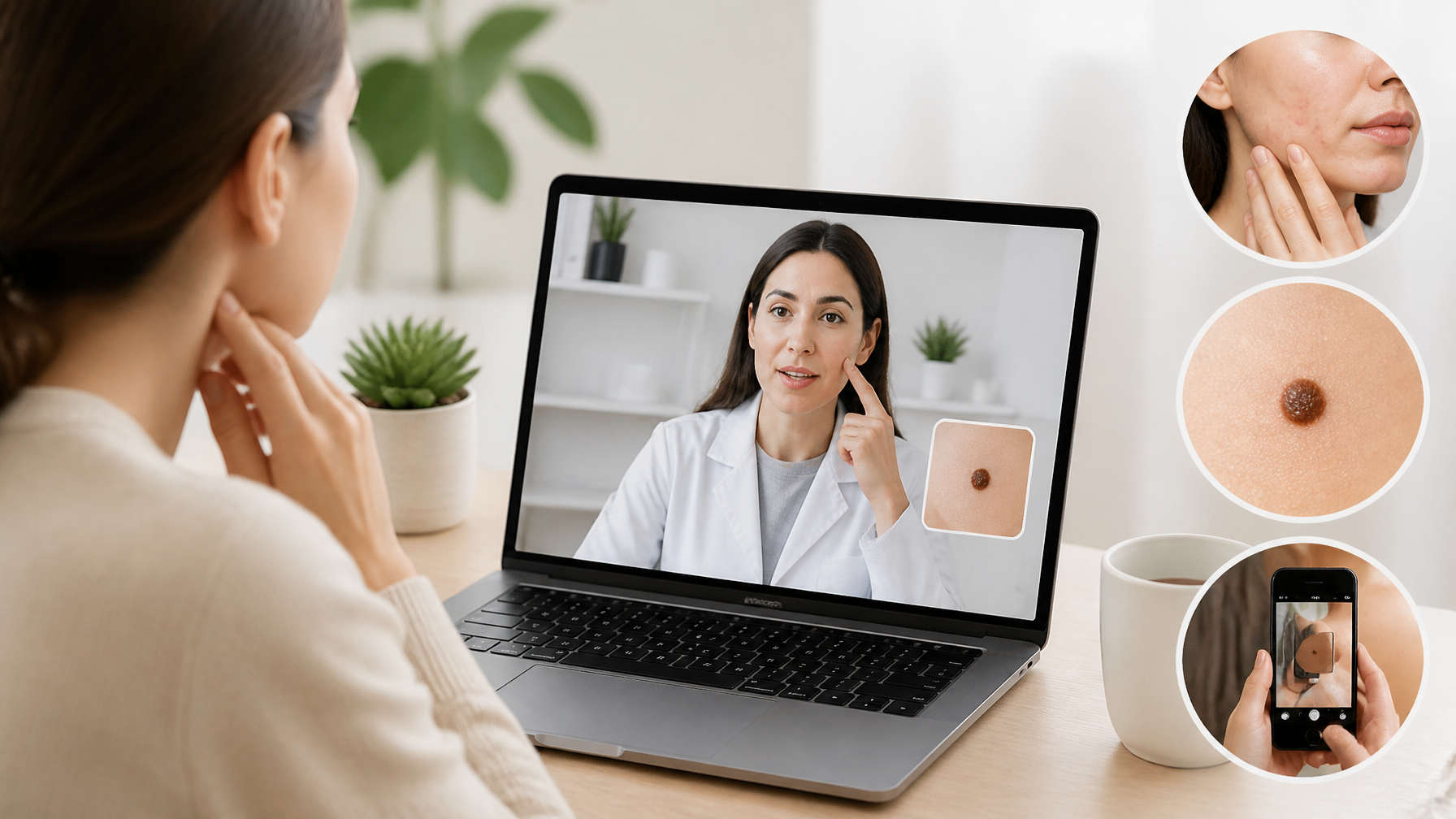
Virtual vs. In-Clinic: How to Choose the Right Dermatology Consultation for You
The way we see doctors has changed — and dermatology is no exception. What was once a field that relied entirely on in-person visits now offers a growing menu of virtual options, from video consultations to asynchronous photo-based assessments. For patients, this is both liberating and a little confusing. When should you log on, and when should you show up?
Choosing the right format isn't just a matter of convenience. It can affect the accuracy of your diagnosis, the speed of your treatment, and even how comfortable you feel discussing sensitive skin concerns. This guide breaks down what each option actually involves, where each one shines, and how to decide which path makes sense for your specific situation.
What Virtual Dermatology Actually Looks Like
Virtual dermatology — sometimes called teledermatology — generally falls into two categories:
-
Synchronous (live) consultations, where you meet your dermatologist over video call in real time. You describe your symptoms, show affected areas on camera, and discuss a treatment plan, much like a traditional appointment but from your home.
-
Asynchronous (store-and-forward) consultations, where you upload photos of your skin concern along with a written description of your symptoms. A dermatologist reviews them on their own time and sends back a diagnosis or recommendation, usually within 24 to 48 hours.

Both formats have become significantly more sophisticated. Smartphone cameras now capture skin detail well enough for many clinical assessments, and secure platforms ensure your data stays private. In the Philippines and across Southeast Asia, teledermatology adoption surged during the pandemic and has continued to grow as both patients and doctors recognize its value for the right cases.
What an In-Clinic Visit Offers That a Screen Can't
An in-person consultation gives the dermatologist access to tools and techniques that simply don't translate to a digital format:
- Dermoscopy — a handheld device that magnifies skin structures beneath the surface, critical for evaluating moles and pigmented lesions.
- Wood's lamp examination — ultraviolet light used to detect fungal infections, pigment disorders, and other conditions invisible to the naked eye.
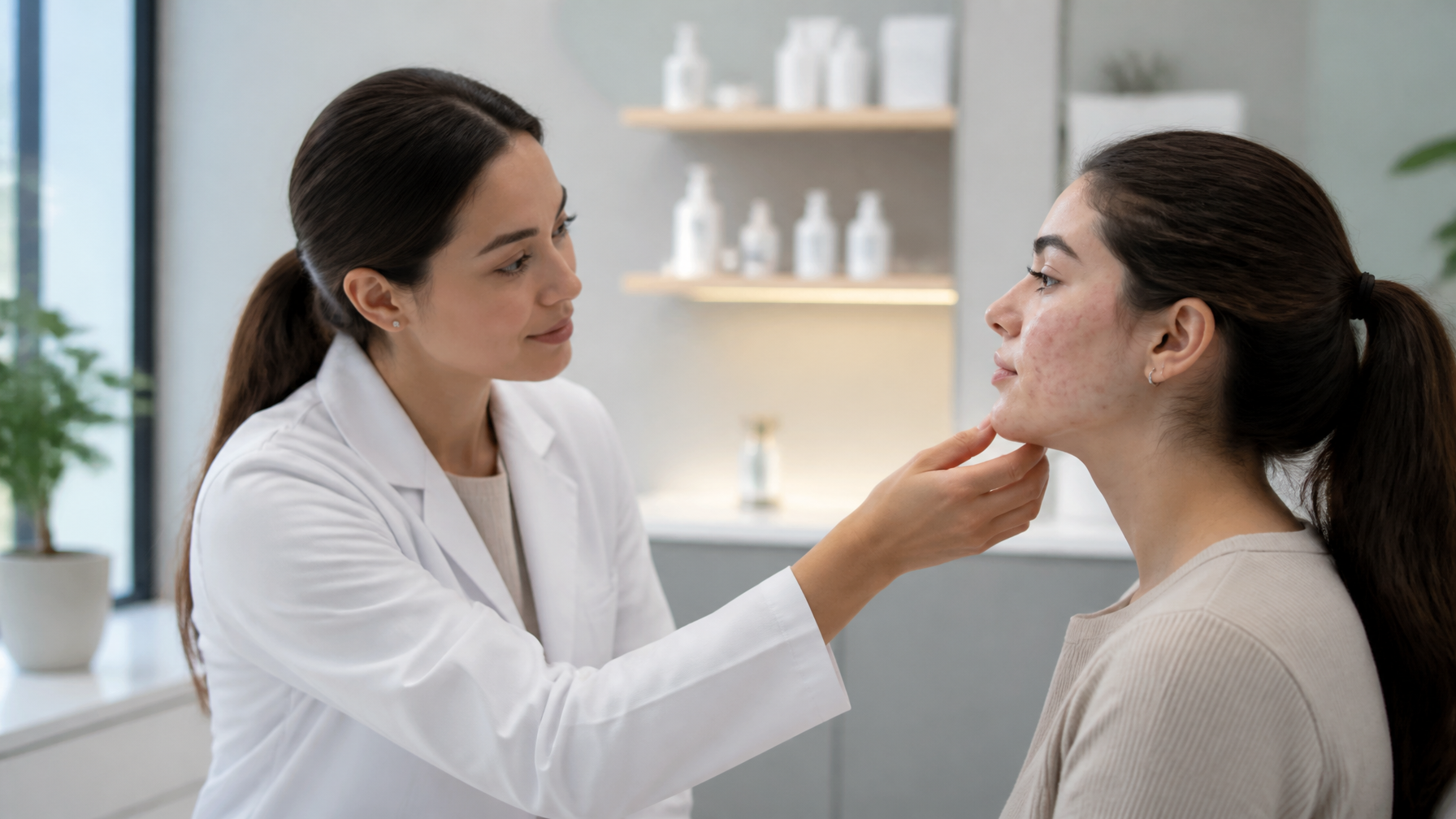
- Palpation — physically touching a lesion to assess its texture, depth, firmness, and tenderness. A photo can show color and shape, but it can't tell a dermatologist whether a bump is hard or soft, fixed or moveable.
- Biopsies and procedures — anything that involves cutting, freezing, injecting, or extracting must happen in the clinic.
There's also an intangible benefit: the full-body skin check. During an in-clinic visit, a dermatologist can examine areas you might not have thought to photograph — your scalp, behind your ears, between your toes — and catch early warning signs you didn't know to look for.
When Virtual Is the Smart Choice
Teledermatology works best when the concern is visually straightforward and unlikely to require a procedure. Consider going virtual when:
-
You have a common, non-urgent skin issue. Acne, mild eczema flare-ups, dandruff, contact dermatitis, and minor rashes are well-suited to virtual assessment. These conditions are visually distinctive, and experienced dermatologists can often diagnose them from a clear photo or video.
-
You need a follow-up, not a first look. If you've already been diagnosed in person and just need to check progress, adjust medication, or renew a prescription, a virtual visit saves time without sacrificing quality of care.
-
Access is a barrier. If you live in a province or area without a nearby board-certified dermatologist — a reality for many Filipinos outside Metro Manila and major cities — teledermatology can connect you with a specialist who would otherwise require hours of travel to reach.
-
You want a quick professional opinion before deciding on next steps. Not sure if that rash warrants a clinic trip? A virtual consult can serve as an informed triage step, helping you decide whether you need further in-person evaluation or whether over-the-counter treatment will do.
-
Scheduling flexibility matters. Virtual consultations often offer evening and weekend slots, shorter wait times, and no commute. For working professionals and parents, this alone can make the difference between getting care and putting it off.
When You Should Go In Person
Some situations call for the dermatologist's full toolkit — and your physical presence. Prioritize an in-clinic visit when:
-
You have a suspicious mole or growth. Any lesion that's changed in size, shape, color, or texture needs hands-on evaluation. Dermoscopy and, if necessary, a biopsy are the gold standard for ruling out skin cancer. This is not something to assess from a selfie.
-
Your concern involves texture, depth, or sensation. Lumps beneath the skin, tender nodules, cysts, or lesions that feel different from how they look require palpation. A photo captures the surface; a dermatologist's hands assess what's underneath.
-
You need a procedure. Mole removal, cyst drainage, cortisone injections, cryotherapy, chemical peels, laser treatments, and surgical excisions all require you to be in the room.
-
Your condition is widespread or complex. Severe psoriasis covering multiple body areas, widespread drug reactions, or conditions affecting the hair, nails, and skin simultaneously benefit from a comprehensive in-person examination.
-
You're a first-time patient with an unclear diagnosis. When neither you nor the doctor knows what's going on yet, the richest data comes from an in-person encounter. The dermatologist can examine you under different lighting, check areas you might not have considered relevant, and adjust their assessment in real time based on what they find.
-
The issue is in a hard-to-photograph area. Scalp conditions, lesions inside the mouth, and concerns on the soles of the feet or between folds of skin are notoriously difficult to capture well on camera.
The Hybrid Approach: Best of Both Worlds
Increasingly, dermatologists and patients are finding that the best care often blends both formats. A common and effective pattern looks like this:
- Initial consultation in person — the dermatologist performs a thorough examination, establishes a diagnosis, and creates a treatment plan.
- Follow-ups virtually — progress checks, medication adjustments, and minor concerns handled over video or photo review.
- Return to the clinic as needed — for procedures, annual skin checks, or when a new or worsening concern arises.
This hybrid model reduces unnecessary trips without compromising clinical rigor. It also builds a longitudinal relationship between you and your dermatologist — something that improves care over time, because a doctor who knows your skin history can spot changes more quickly than one seeing you for the first time.
Practical Tips for Getting the Most Out of Each Format
If you're going virtual:
- Lighting is everything. Take photos in bright, natural daylight. Avoid flash, which can wash out redness and distort color.
- Get close and stay steady. Use your phone's macro mode if available. Blurry or distant photos make accurate assessment harder.
- Include a reference for scale. Place a coin or ruler next to the lesion so the dermatologist can gauge its size.
- Prepare a brief history. Write down when the issue started, whether it itches or hurts, what you've already tried, and whether anything makes it better or worse.
- Choose a reputable platform. Look for services staffed by board-certified dermatologists, not just general practitioners offering skin advice.
If you're going in person:
- Come with a clean face and minimal makeup. The dermatologist needs to see your skin, not your coverage.
- Wear loose, easy-to-remove clothing if the affected area is on your body.
- Bring a list of current medications and skincare products. Ingredients matter — some reactions are caused by products, not conditions.
- Don't be shy about showing everything. Dermatologists examine skin for a living. If something concerns you, show it, even if it feels awkward.
Cost and Insurance Considerations
In the Philippines, virtual consultations typically range from ₱500 to ₱1,500, while in-clinic visits can run ₱800 to ₱2,500 or more, depending on the dermatologist and location. Some HMO plans now cover teleconsultations, though coverage varies. Always confirm with your provider before booking.
Keep in mind that a virtual consultation that leads to an "I need to see you in person" recommendation means paying twice. If your concern falls into any of the "go in person" categories above, skipping straight to the clinic may be more cost-effective in the long run.
The Bottom Line
There's no universally "better" option — only the one that fits your specific concern, circumstances, and comfort level. Virtual dermatology is a genuine clinical tool, not a shortcut or a lesser substitute. For the right conditions, it delivers fast, accurate, and convenient care. For others, nothing replaces the dermatologist's trained eye, specialized instruments, and hands-on assessment.
The smartest patients don't choose one format and stick with it forever. They learn when each option serves them best — and use both strategically. Your skin is your body's largest organ. It deserves the right kind of attention, delivered the right way.


Leave a comment
This site is protected by hCaptcha and the hCaptcha Privacy Policy and Terms of Service apply.