
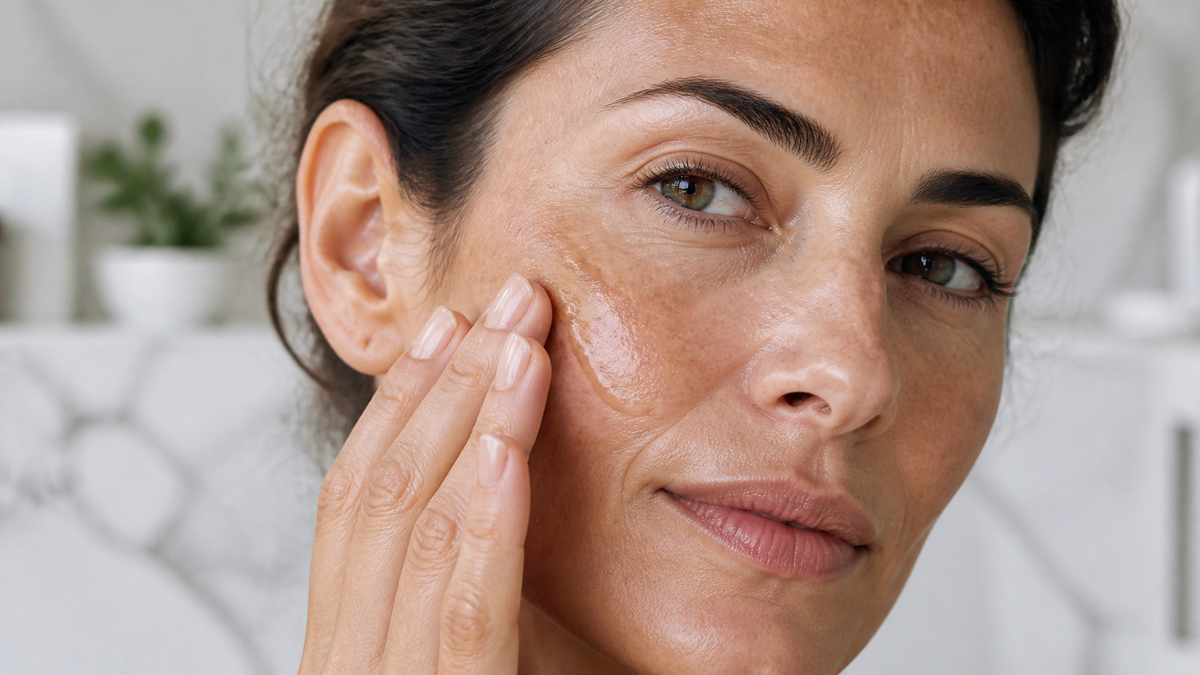
The Ultimate Skin Restoration Guide: How to Safely Treat Melasma, Acne Scars and Sun Damage
Most people don't arrive at a skincare routine with one concern. They arrive with three or four layered on top of each other: the pigmentation left behind by pregnancy or the pill, the pitted texture from teenage acne, and the fine lines and sun spots accumulated over a decade of forgotten SPF. Treating them all at once, aggressively, is the single most common mistake — and it's the one that leaves skin worse than it started.
This guide walks through what each concern actually is, how the treatments differ, and how to build a routine that addresses all three without stripping your barrier in the process.
Start Here: Your Barrier Comes First
Before any active ingredient, the skin barrier has to be intact. A compromised barrier — the result of over-exfoliation, harsh cleansing, or simply too many actives stacked together — produces inflammation, and inflammation produces more pigment. That's the cruel irony at the centre of skin restoration: the fastest way to make melasma worse is to attack it too hard.
Signs your barrier needs attention rather than more treatment: stinging on application, tightness after cleansing, flaking, redness that lingers, or products that used to be fine suddenly stinging.
If that's you, spend four to six weeks on repair before introducing anything corrective. That means a gentle, non-stripping cleanser, a humectant-rich hydrating layer, and a barrier-supporting moisturiser. Nothing more. Products built around panthenol (pro-vitamin B5) and hyaluronic acid are the right starting point here — hydration and barrier support, no corrective actives fighting each other. Once your skin tolerates that comfortably, you have a foundation worth building on.
Understanding What You're Actually Treating
The three concerns in this guide behave very differently, and they respond to different things.
Melasma appears as larger, often symmetrical patches — cheeks, upper lip, forehead — and is driven by a combination of hormonal fluctuation (pregnancy, oral contraceptives, hormone therapy) and ultraviolet exposure. It's stubborn, it recurs, and it is the single most light-sensitive of the three. Melasma doesn't respond to exfoliation alone, and heat, visible light and inflammation can all drive it. This is why melasma demands a particularly consistent approach and near-obsessive sun protection.
Post-inflammatory hyperpigmentation (PIH) — the brown or red marks left after a spot heals — sits closer to the surface and fades considerably more readily. It's also the type most likely to be made worse by picking, squeezing and irritation.
Acne scars are different again. True scars (atrophic indentations, rolling, boxcar or ice-pick) are structural changes in the dermis. Topical skincare cannot rebuild lost collagen architecture — but it can meaningfully improve the appearance of texture, soften the look of scarring, and prevent new marks from forming by controlling active breakouts.
Sun damage is the common thread underneath all of it. Ultraviolet exposure drives pigment production, degrades collagen and elastin, and deepens existing discolouration. Every other treatment you do is undermined by unprotected sun exposure.
Building the Routine: Four Pillars
1. Cleanse without stripping. A foaming cleanser based on glycolic or salicylic acid suits oilier, breakout-prone or textured skin and provides mild daily exfoliation, while a gentle hydrating crème cleanser is the better pick for dry, reactive or barrier-compromised skin. Choose one — don't rotate aggressively.
2. Treat with targeted actives. This is where the concerns diverge, and where most mistakes happen. The core corrective ingredients worth knowing:
- Vitamin C — an antioxidant that impedes melanin production and helps fade hyperpigmentation, while defending against the free radicals that drive further damage. A well-formulated L-ascorbic acid serum paired with ferulic acid is the workhorse here.
- Alpha-arbutin and kojic acid — brightening agents that target dark spots and discolouration, often in a calming base suitable for sensitive or rosacea-prone skin.
- Retinoids — the most evidence-backed option for texture, fine lines and collagen support. Start low, go slowly, and never alongside other irritating actives on the same night.
- Niacinamide — well tolerated by nearly every skin type, useful for oil regulation, barrier support and evening tone.
- Azelaic acid — gentler than hydroquinone and a reasonable long-term option for both pigmentation and breakout-prone skin.
3. Moisturise to support, not just to seal. Whitening or brightening serums do nothing if the skin underneath them is chronically dry.
4. Protect — every single morning. This is non-negotiable, particularly for melasma. A broad-spectrum SPF 50, reapplied through the day, is the difference between progress and relapse.
Where REFORM Skincare Fits
If you want the actives matched to the concern rather than assembled piecemeal, REFORM Skincare organises its range by concern — pigmentation, texture, oiliness, rosacea, barrier repair — which saves a lot of guesswork.
For pigmentation and melasma, the Phyto Botanical Gel is the most directly relevant: kojic acid and alpha-arbutin for brightening, alongside hyaluronic acid and glycerin, with botanicals and algae extracts intended to calm reactive skin. That combination of pigment control in a soothing base is precisely what melasma-prone skin needs. Pair it with the Vitamin C 20% Serum, formulated with 20% L-ascorbic acid and ferulic acid, in the morning. For more mature or menopausal skin wanting a richer option, the HYAL • Vitamin C + E Serum pairs vitamin C with vitamin E.

For texture and post-acne concerns, the Anti-blemish Crème — a 10% niacinamide base with 1% salicylic acid and 1% zinc — addresses oil regulation and congestion without the irritation that drives fresh PIH. If texture and scarring marks are the primary issue, the Texture Transformer routine gathers the relevant products together.
For barrier repair, start with the Skin Barrier Repair Cream or the Vitamin B5 Gel before introducing corrective actives.
And for sun protection — the pillar everything else depends on — the SPF 50+ Antioxidant Sunscreen pairs UV protection with antioxidants, with tinted and mineral options available if you prefer.
Their Pigmentation Protocol is a reasonable shortcut if you'd rather not build the stack yourself.
Common Mistakes That Stall Progress
Doing everything at once. Introduce one active at a time, over two to four weeks, so you can identify what's helping and what's irritating.
Skipping SPF on cloudy days. UVA penetrates cloud cover and glass. Melasma in particular is driven by it.
Over-exfoliating to fade marks faster. This backfires. Irritation produces inflammation, and inflammation produces more pigment.
Expecting speed. Pigment fades over months, not weeks. Texture changes take longer still. Consistency outperforms intensity every time.
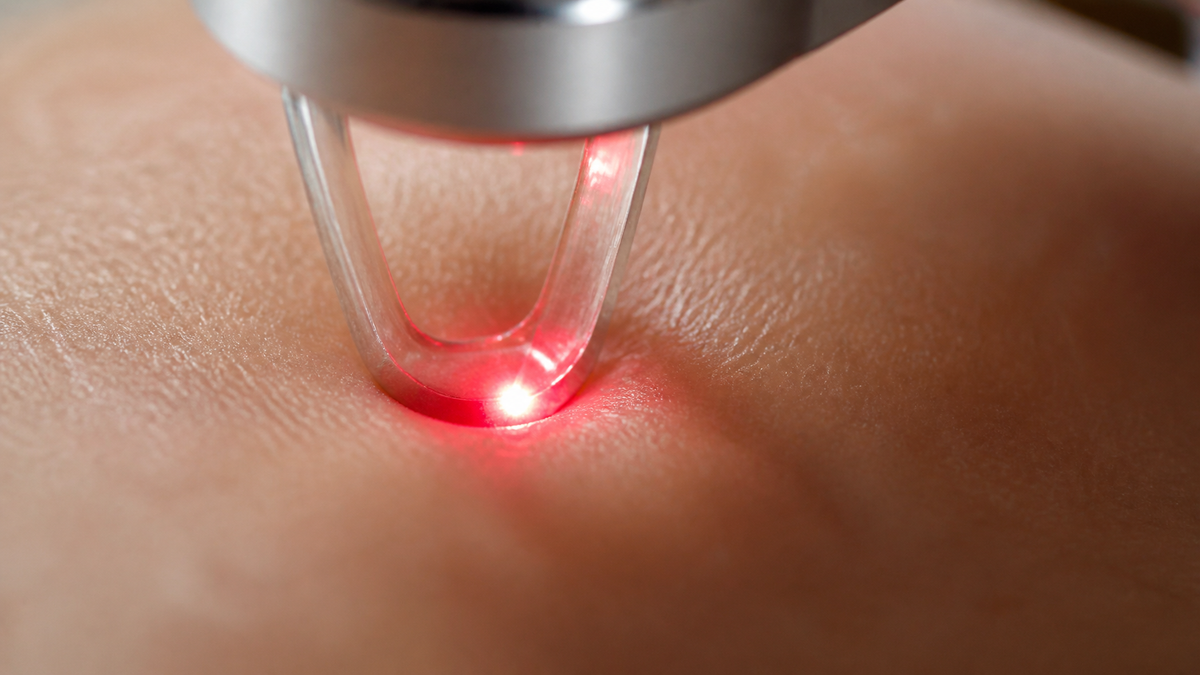
Treating scars that need a clinic. Atrophic scarring responds best to procedures — microneedling, lasers, subcision — performed by a professional. Topicals improve the appearance; they don't restructure.
A Realistic Timeline
Weeks 1–4: barrier support and SPF habit-building. Weeks 4–12: introduce corrective actives one at a time. Months 3–6: visible improvement in tone and PIH. Months 6–12: texture and melasma improvements, assuming religious sun protection throughout.
If you have melasma, are pregnant or breastfeeding, or are considering prescription-strength retinoids or hydroquinone, speak to a doctor or dermatologist first. Topical skincare is powerful, but it isn't a substitute for medical assessment — particularly with pigmentation that may have an underlying hormonal driver.
The unglamorous truth is that skin restoration isn't about finding one miracle product. It's about protecting what you have, repairing what's compromised, correcting gradually, and refusing to rush any of it.


Leave a comment
This site is protected by hCaptcha and the hCaptcha Privacy Policy and Terms of Service apply.