
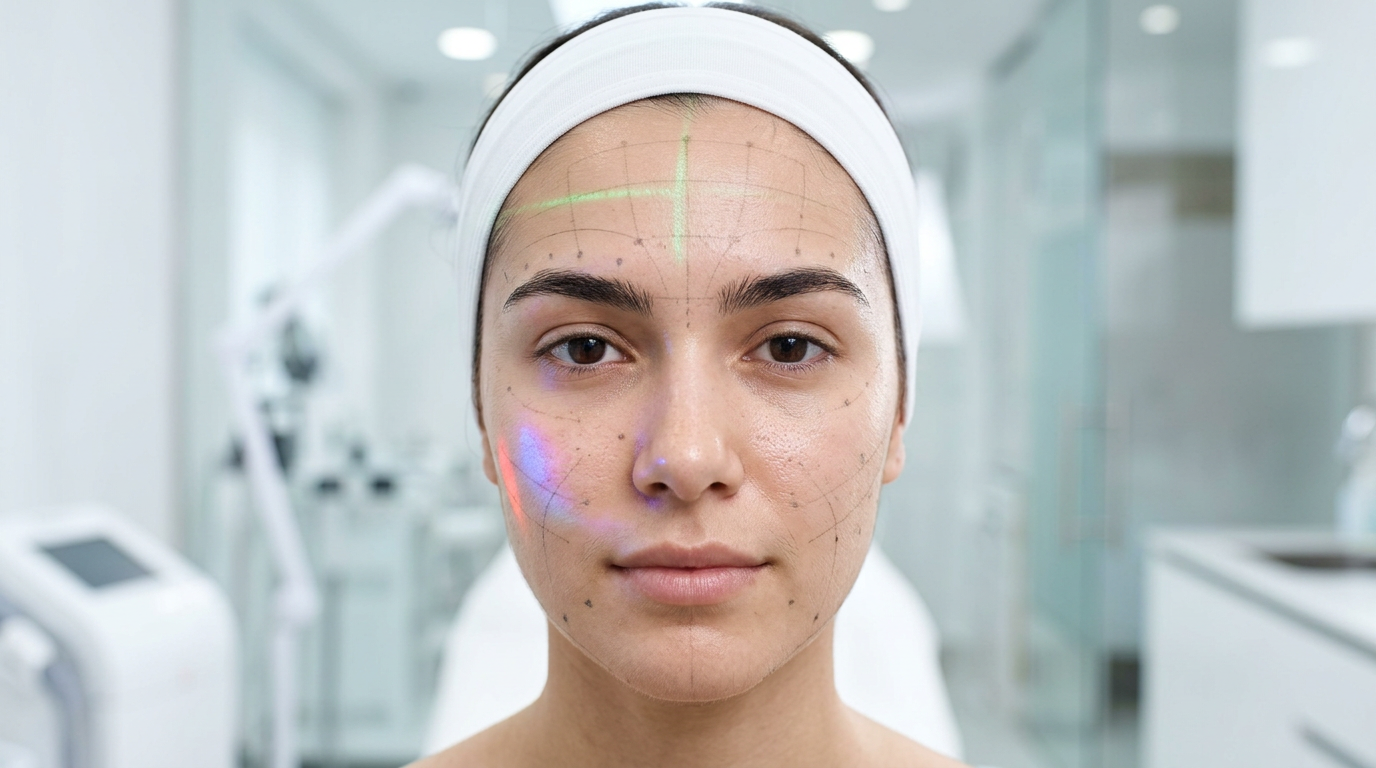
The Multi-Modality Approach: Why Combining Treatments Yields Better Results
Skin is complex. It ages along multiple pathways simultaneously — collagen breaks down, pigmentation accumulates, texture roughens, and volume depletes. No single treatment, no matter how advanced, can address every one of those pathways at once. That is precisely why the most effective results in modern dermatology come not from choosing one perfect procedure, but from thoughtfully combining several. This is the multi-modality approach, and it is transforming the way clinicians and patients alike think about skin health.
Understanding the Multi-Modality Philosophy
At its core, multi-modality treatment recognises a simple truth: different skin concerns have different biological origins, and each origin responds best to a specific type of intervention. Injectable neurotoxins relax dynamic wrinkles, but they do nothing for sun damage. Laser resurfacing can dramatically improve texture, yet it won't restore lost facial volume. Chemical peels accelerate cell turnover, but they cannot tighten lax tissue the way radiofrequency or ultrasound devices can.
When a clinician layers these treatments strategically — matching each modality to the concern it treats best — the results compound. Patients see improvements that look natural and balanced rather than "done," because no single feature has been over-treated while others lag behind.
Dr Naomi, a dermatology specialist at The Adare Clinic, puts it plainly: "Skin ageing is multi-factorial, so our response has to be multi-factorial as well. When we combine targeted treatments with a robust homecare regimen, we're addressing the problem from every angle — and that's when patients truly see transformative change."
The Science Behind Combination Therapy
Research in clinical dermatology consistently demonstrates that combination protocols outperform stand-alone treatments. A landmark principle underpinning this is the concept of synergistic action — the idea that two treatments working through different mechanisms can produce a combined effect greater than the sum of their individual results.
Consider, for example, a patient concerned with fine lines, uneven tone, and early volume loss. A treatment plan might look like this:
- Micro-needling to stimulate the skin's own collagen-remodelling response deep within the dermis.
- Broad-band light (BBL) or IPL to target melanin clusters and diffuse redness, evening out skin tone.
- Dermal filler to replace lost hyaluronic acid in areas where structural support has diminished.
- A medical-grade homecare routine to maintain and extend every in-clinic result between appointments.
Each of these modalities works at a different depth and on a different target. Together, they create a cascade of repair that a single treatment simply cannot replicate.
Building the Right Plan: The Role of Professional Assessment
One of the most important aspects of the multi-modality approach is that it must be tailored to the individual. Skin type, lifestyle, ethnicity, hormonal status, and personal goals all influence which combination will deliver the best outcome. A cookie-cutter protocol applied to every patient is the antithesis of this philosophy.
This is where specialist expertise becomes invaluable. At The Adare Clinic, Dr Naomi, dermatology specialist, begins every patient journey with a comprehensive skin analysis, assessing not only visible concerns but also underlying structural changes and skin behaviour. From there, a bespoke roadmap is designed — sequencing treatments in the right order, spacing them appropriately, and pairing them with homecare that supports each phase of the plan.
"You can't just throw every treatment at the skin and hope for the best," Dr Naomi notes. "Timing and sequencing matter enormously. We need the skin to be in the right condition before we escalate to more intensive modalities, and we need the right aftercare to protect what we've achieved."
The Homecare Pillar: Why In-Clinic Results Depend on What You Do at Home
It's tempting to view professional treatments as the main event and homecare as an afterthought, but the multi-modality approach rejects that hierarchy entirely. What you apply to your skin daily — morning and night, fifty-two weeks a year — has an enormous cumulative impact. In many ways, homecare is the foundation upon which every in-clinic treatment builds.
Medical-grade skincare differs from over-the-counter products in its concentration of active ingredients, its delivery systems, and the clinical evidence behind its formulations. This is where Reform Skincare plays a vital role in the multi-modality framework. Developed with input from leading skin specialists, Reform's range is designed to be prescribed alongside professional treatments, ensuring that the active ingredients patients use at home are genuinely complementary to what happens in the treatment room.
Retinol: The Cornerstone Active
No discussion of evidence-based skincare is complete without retinol. A derivative of vitamin A, retinol accelerates cellular turnover, stimulates collagen synthesis, regulates melanin production, and refines pore appearance. It is, without exaggeration, the single most researched and validated anti-ageing ingredient in dermatology.
Within a multi-modality plan, retinol serves several functions. Pre-treatment, it primes the skin by increasing cell turnover and improving the skin's capacity to heal. Post-treatment, it sustains the collagen-stimulating signal initiated by procedures like micro-needling or fractional laser. Over the long term, it acts as a daily maintenance agent, slowing the re-accumulation of damage between professional sessions.
Reform Skincare's retinol formulations are designed to deliver clinically effective concentrations while managing the irritation that often discourages patients from long-term use. Encapsulated delivery systems release the active gradually, minimising the redness and flaking that can accompany conventional retinol products — making consistent, year-round use genuinely achievable.
Antioxidants and SPF: The Protective Duo
Retinol rebuilds; antioxidants and SPF protect. Vitamin C, in particular, neutralises free radicals generated by UV exposure and pollution — the very agents that accelerate the collagen degradation and pigmentation that treatments aim to reverse. Pairing a potent antioxidant serum with a broad-spectrum SPF every morning is a non-negotiable element of any multi-modality protocol.
Reform Skincare's antioxidant and sun-protection products are formulated to layer seamlessly under make-up, removing one of the most common barriers to daily compliance. When patients actually use their SPF every day — rather than leaving it in the bathroom cabinet — the longevity of every professional treatment they receive improves measurably.
Real-World Results: What Patients Can Expect
Patients who commit to a multi-modality plan typically report that the results feel more natural and more lasting than those achieved through any single intervention. This is partly biological — multiple repair pathways activated simultaneously produce balanced, harmonious improvement — and partly psychological. When skin looks consistently healthy rather than dramatically altered, confidence builds gradually and sustainably.
A typical twelve-month plan might include quarterly in-clinic treatments (alternating between energy-based devices, injectables, and resurfacing procedures), supported by a daily homecare regimen built around Reform Skincare products selected by the treating clinician. Results are reviewed and the plan is adjusted at each visit, reflecting the skin's evolving needs.
Dr Naomi, dermatology specialist at The Adare Clinic, emphasises that patience is part of the process: "We're working with the skin's own biology, and biology takes time. But when patients trust the plan and stay consistent — both in clinic and at home — the cumulative results genuinely speak for themselves."
Common Multi-Modality Combinations
While every plan is individual, certain pairings appear frequently in clinical practice because the evidence for their synergy is strong:
- Micro-needling + retinol homecare — micro-needling creates controlled micro-channels that boost collagen induction; retinol sustains that stimulus between sessions.
- IPL + antioxidant serum + SPF — IPL clears existing pigmentation; antioxidants and SPF prevent its return.
- Neurotoxin + dermal filler + skin-tightening device — relaxing dynamic lines, restoring volume, and improving tissue laxity together produce a refreshed, rested appearance that no single modality achieves alone.
- Chemical peel + medical-grade moisturiser — accelerated exfoliation paired with barrier-supporting hydration improves tone and texture without compromising skin integrity.
Moving Forward: Making the Multi-Modality Approach Work for You
The multi-modality approach is not about doing more for the sake of it. It is about doing the right things, in the right order, with the right support at home. It demands expertise in planning, discipline in execution, and high-quality products that are up to the task.
If you're considering a more strategic path to skin health, the first step is a professional consultation. A thorough assessment — the kind offered by Dr Naomi and the team at The Adare Clinic — will identify exactly where your skin stands today and map the most efficient route to where you want it to be. Paired with a tailored homecare routine built around clinically proven products from Reform Skincare, you'll have every layer of the multi-modality framework working in your favour.
Because when it comes to skin, the whole truly is greater than the sum of its parts.


Leave a comment
This site is protected by hCaptcha and the hCaptcha Privacy Policy and Terms of Service apply.