
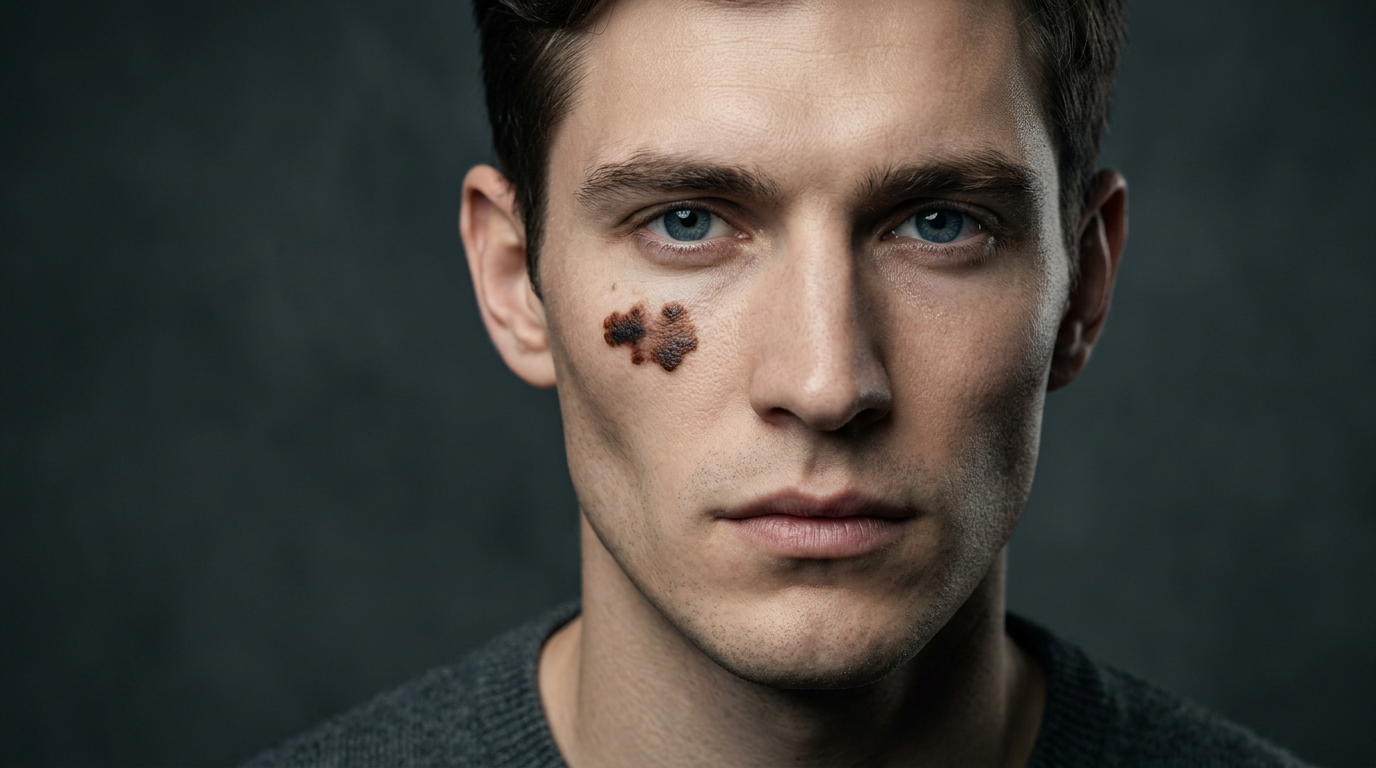
Melanoma in Unseen Places: Why Hidden Lesions, Including Butt Crack Melanoma, Get Missed
Melanoma is often imagined as a suspicious mole on the face, arms, shoulders, or back - the areas most obviously exposed to the sun. Public health campaigns frequently remind us to apply sunscreen, avoid burning, and keep an eye on changing moles. These messages matter, but they can also unintentionally create a narrow mental picture of where melanoma appears.
The reality is more complicated. Melanoma can develop in places people rarely inspect, rarely photograph, and rarely think to mention to a doctor. These include the scalp, between the toes, under the nails, behind the ears, the soles of the feet, the genitals, and the cleft between the buttocks. Because these areas are private, awkward to examine, or simply out of sight, suspicious changes can be missed until they are more advanced.
One of the more uncomfortable but important examples is sometimes described informally as butt crack melanoma - melanoma that appears in or around the gluteal cleft, perianal area, or nearby skin. The phrase may sound unusual, but the risk it points to is serious: hidden melanomas are often delayed in detection because no one is looking for them.
Melanoma does not only happen where the sun shines
Ultraviolet radiation is a major risk factor for melanoma, and sun protection remains essential. However, melanoma is not limited to sun-exposed skin. It can occur anywhere melanocytes are present. Melanocytes are the pigment-producing cells that give skin its colour, and they are found across the body.
This is why melanoma can appear in areas that get little or no direct sunlight. A person may be diligent about checking their face and arms, but never examine the skin between their buttocks, the soles of their feet, or the skin under their hair. Hidden areas are also less likely to be noticed by partners, hairdressers, beauty therapists, or clinicians during routine appointments unless a deliberate full-skin check is carried out.
There are also subtypes of melanoma, such as acral lentiginous melanoma, that commonly occur on the palms, soles, or under nails. These forms can affect people of any skin tone and may not be strongly linked to sun exposure. This is one reason it is dangerous to assume that melanoma is only a disease of pale skin, summer sunburn, or visible moles.
Why hidden lesions are so easily missed
Hidden melanomas are missed for several overlapping reasons. Some are practical; others are emotional.
First, there is the simple problem of visibility. Most people do not regularly inspect their buttocks, groin, scalp, back of the neck, or soles of the feet. Even if they try, these areas can be difficult to see without mirrors, good lighting, or help from another person.
Second, hidden lesions are often mistaken for something harmless. A dark patch near the buttock crease may be assumed to be irritation, a bruise, a spot, a haemorrhoid-related mark, a fungal rash, or friction from clothing. A streak under a toenail may be dismissed as trauma from shoes. A mole on the scalp may be hidden by hair for years.
Third, embarrassment can delay action. Many people feel awkward about asking a clinician to examine intimate skin. They may worry they are overreacting, or they may avoid mentioning symptoms because the area feels too personal. Unfortunately, melanoma does not become less serious because it appears somewhere embarrassing.
Finally, health professionals may not always see hidden areas unless the appointment is specifically for a full skin examination. A quick consultation for a rash, mole, or unrelated concern may not involve checking the scalp, genital region, buttock cleft, feet, or nails. Patients often assume that if something were serious, someone would have noticed it. But if the area has never been examined, there has been no real opportunity to notice it.
What butt crack melanoma may look or feel like

Melanoma in the gluteal cleft or nearby skin may appear in different ways. It is not always a neat, dark mole. It may be brown, black, blue, red, pink, skin-coloured, or a mixture of colours. Some melanomas have little pigment at all, which can make them even harder to recognise.
Warning signs may include:
- A new mark, mole, or patch in or around the buttock crease, anus, or surrounding skin.
- A mole that changes in size, shape, colour, surface, or sensation.
- An irregular border that looks blurred, notched, or uneven.
- Multiple colours within the same lesion, such as brown, black, red, grey, blue, or white.
- Bleeding, crusting, itching, tenderness, or non-healing skin in a localised area.
- A sore or patch that keeps returning after appearing to improve.
- A lesion that looks different from your other moles or marks.
The classic ABCDE guide can help: asymmetry, border irregularity, colour variation, diameter, and evolution. Of these, evolution is especially important. A changing lesion deserves attention, even if it does not tick every other box.
It is also worth remembering the “ugly duckling” idea. If one mole or mark looks noticeably different from the rest of your skin pattern, it should be checked.
The role of routine self-checks
A good skin self-check is not just a quick glance at your face in the bathroom mirror. It is a methodical look at the whole skin surface, including the areas people usually ignore.
Aim to check your skin around once a month, especially if you have risk factors such as a history of sunburn, many moles, fair skin, a family history of melanoma, previous skin cancer, tanning bed use, or a weakened immune system. People with darker skin should also check regularly, as melanoma can occur in less sun-exposed areas and may be diagnosed later.
A practical self-check can include:
- Scalp and hairline: Use a comb, mirror, or phone camera. Ask a hairdresser or partner to flag anything unusual.
- Ears and behind the ears: These areas are easily missed when applying sunscreen and during checks.
- Back, shoulders, and buttocks: Use a full-length mirror and hand mirror, or take clear photos for comparison.
- Gluteal cleft and perianal area: This may feel awkward, but it is skin and it deserves the same attention as any other area.
- Groin and genital skin: Look for new or changing marks, patches, sores, or pigmentation.
- Hands, feet, soles, toes, and nails: Check between toes and under nails for dark streaks or changing marks.
Good lighting matters. So does comparison. Taking dated photographs of moles or marks can help you identify change over time. The goal is not to diagnose yourself; it is to notice when something needs professional review.
When to seek medical advice
Any new, changing, bleeding, itching, crusting, painful, or non-healing lesion should be assessed by a qualified healthcare professional. This is particularly important if the mark is in a hidden area and you cannot see it clearly yourself.
Do not wait months to “see what happens” if a lesion is evolving. Many skin changes are benign, but melanoma is one condition where earlier diagnosis can make a major difference. A clinician may examine the lesion with a dermatoscope, compare it with your other moles, photograph it, monitor it, or refer you to a dermatologist. If needed, a biopsy may be performed.
There is no need to feel embarrassed. Doctors, nurses, and dermatologists examine intimate and difficult-to-see areas as part of normal clinical care. You can say something simple, such as: “I have noticed a changing mark in a private area and I would like it checked.” That is enough.
Sun protection still matters - but it is not the whole story
Because melanoma can appear in hidden places, some people wonder whether sunscreen is still relevant. It is. Daily sun protection helps reduce UV damage, premature ageing, and the risk of several types of skin cancer. The key is to understand that sunscreen is one part of a broader skin health routine, not a guarantee that melanoma cannot occur elsewhere.
Use a broad-spectrum sunscreen on exposed skin every day, and reapply when outdoors, sweating, swimming, or after towel drying. Do not forget commonly missed areas such as the ears, neck, lips, scalp parting, backs of hands, and tops of feet.

This is where a well-designed skincare routine can support consistency. Reform Skincare, for example, offers sun protection products including SPF 50+ Antioxidant Sunscreen, SPF 30 Invisible Mist Spray, SPF 30 Mineral Sunscreen, SPF 50+ Tinted Sunscreen, and SPF 50+ Invisible Mist Spray. Features such as invisible mist formats, mineral options, tinted formulas, and antioxidant support can make daily protection easier to fit into different routines and skin preferences.
The brand also highlights antioxidant ingredients such as vitamin C and E, with products including HYAL - Vitamin C + E Serum and Vitamin C 20% Serum. Antioxidants are often used in skincare to help defend against free radical damage and support brighter-looking skin. They do not replace sunscreen, skin checks, or medical assessment, but they can sit alongside SPF as part of a photo-protective routine.
Do not let skincare hide warning signs
There is one important caution: active skincare should never be used to explain away a suspicious lesion. Products such as retinol, glycolic acid cleansers, exfoliants, brightening serums, or anti-blemish creams can improve the appearance and texture of skin for many people, but they are not treatments for possible melanoma.
If a dark patch, mole, sore, or changing mark persists, evolves, bleeds, or looks unusual, do not keep treating it as pigmentation, acne, irritation, or friction. Stop guessing and get it checked.
Reform Skincare products such as Retinol 1% Creme, Glycolic Acid Foaming Cleanser, Everyday Moisturiser, and Intensive Moisturiser may have a place in a cosmetic skincare routine, depending on your skin type and tolerance. However, no cosmetic skincare product should be used as a substitute for a skin cancer assessment. A moisturiser can soothe dryness; it cannot rule out melanoma. A serum can support skin radiance; it cannot diagnose a changing mole.
Hidden melanoma and skin tone
Another reason hidden melanoma gets missed is the misconception that people with darker skin do not need to worry about it. While melanoma is less common in darker skin tones than in fair skin, it can still occur, and it may be diagnosed at a later stage.
In darker skin, melanoma is more likely to appear in areas such as the palms, soles, nails, and mucosal or less sun-exposed sites. This makes self-checks especially important. A new streak in a nail, a changing mark on the sole, or an unusual patch in a private area should not be ignored.
Sun protection is still useful for all skin tones, especially for preventing UV damage, pigmentation changes, and premature ageing. But melanoma awareness must go beyond sunburn and beach holidays. It must include the whole body.
How to make full-body checks less awkward
Checking hidden areas may feel uncomfortable at first, but it becomes easier when treated as a normal health habit rather than a source of embarrassment.
Choose a private, well-lit room. Use a full-length mirror and a hand mirror. Some people prefer to use a phone camera to take clear images of hard-to-see areas, stored securely and dated for comparison. If you have a partner, you may ask them to check your back, scalp, and other difficult areas. If not, a dermatologist or trained clinician can perform a full skin examination.
For the buttock cleft specifically, look for anything new, dark, irregular, bleeding, crusting, sore, or changing. If you cannot see clearly but feel persistent itching, pain, a lump, a sore, or bleeding that does not have an obvious explanation, arrange a medical review.
It may also help to pair your skin check with an existing routine, such as after a shower once a month. Apply moisturiser afterwards if your skin is dry, and apply SPF to exposed areas during the day. The point is to make skin awareness ordinary, not frightening.
The takeaway
Melanoma can hide in places people do not routinely inspect. Butt crack melanoma, scalp melanoma, nail melanoma, genital melanoma, and melanoma on the soles of the feet are all reminders that skin cancer awareness must include the whole body, not just sun-exposed areas.
A strong approach combines three habits: protect exposed skin from UV damage, know your own skin, and seek medical advice promptly when something changes. Skincare products, including SPF and antioxidant-led routines from brands such as Reform Skincare, can support everyday skin health and photo-protection. But they are not a replacement for full-body checks or professional assessment.
The most important message is simple: no area of skin is too awkward, too hidden, or too private to matter. If a mark is new, changing, bleeding, itching, crusting, or simply different from the rest, get it checked. Early attention can turn an uncomfortable conversation into a potentially life-saving one.



Leave a comment
This site is protected by hCaptcha and the hCaptcha Privacy Policy and Terms of Service apply.