
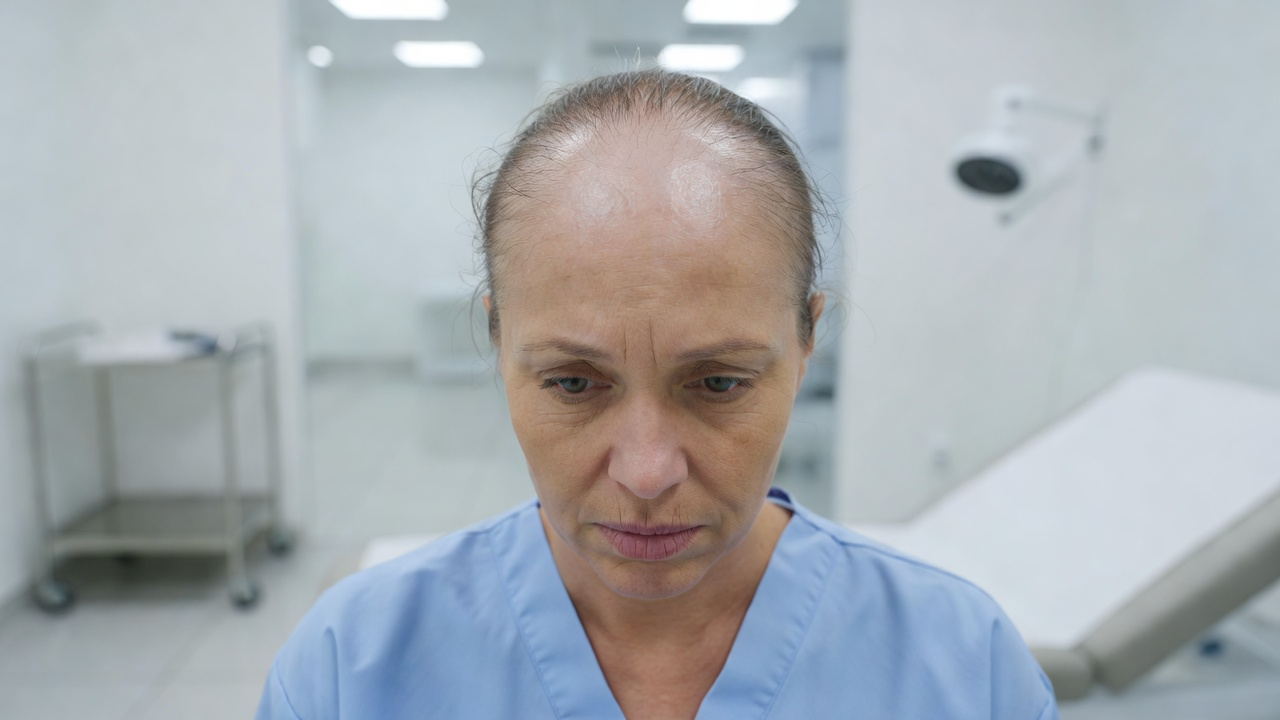
Frontal Fibrosing Alopecia: Why Early Diagnosis Changes Everything
If you've noticed your hairline slowly creeping backward, thinning eyebrows that won't grow back, or small, smooth, shiny patches appearing along your scalp margin, it's tempting to put it down to stress, ageing, or “just genetics.” Sometimes that's exactly what it is. But sometimes it's something far more specific — and far more time-sensitive — called frontal fibrosing alopecia (FFA).
At Adare Dermatology Clinics (ADC), across our Dublin, Limerick and London clinics, hair and scalp complaints are one of the most common — and most commonly misdiagnosed — reasons patients come to see us. FFA is a condition where getting the diagnosis right, and getting it early, genuinely determines whether a patient keeps their hair follicles or loses them permanently.
What Is Frontal Fibrosing Alopecia?
FFA is a type of scarring (cicatricial) alopecia, closely related to lichen planopilaris. It most often affects women after menopause, though we see it increasingly in younger women and, less commonly, in men. It typically presents as:
-
A slowly receding hairline at the front and sides of the scalp
-
Loss of eyebrows (often the first sign patients notice)
-
Small, pale, smooth patches of scalp where hair used to grow
-
Redness or scaling around individual hair follicles at the margin of hair loss
-
Occasional loss of eyelashes, sideburns, or fine facial/body hair
The reason FFA is placed in a completely different category to conditions like androgenetic alopecia (typical pattern hair thinning) is that it is inflammatory and scarring. In non-scarring hair loss, the follicle survives even when it stops producing visible hair, meaning regrowth is often possible. In FFA, ongoing inflammation destroys the follicle itself — including the stem cells at its base that are responsible for regeneration. Once a follicle is scarred, it is gone permanently. No treatment, however advanced, can bring back a follicle that has already been replaced by scar tissue.

This is why we describe FFA as a race against time: the goal is not to regrow lost hair — the goal is to stop the disease before more follicles are lost, then work with what remains.
Why FFA Is So Often Missed
FFA can look deceptively like ordinary hairline recession, especially in its early stages. Many patients are told by well-meaning GPs or hairdressers that they're simply experiencing normal thinning, or early female-pattern hair loss. Others are prescribed generic treatments that don't address the underlying inflammatory process at all.
By the time some patients reach a specialist, months or even years may have passed — and with them, follicles that could have been protected.
This is precisely why, at ADC, a hair and scalp complaint is never treated as a routine dermatology appointment. Patients presenting with hairline changes, eyebrow loss, or scalp scarring symptoms are booked into a dedicated hair and scalp diagnostic consultation, built specifically around detailed history-taking, clinical examination, and trichoscopy — not squeezed into a standard 10–15 minute review alongside unrelated skin concerns.
The Role of Trichoscopy — and Sometimes Biopsy
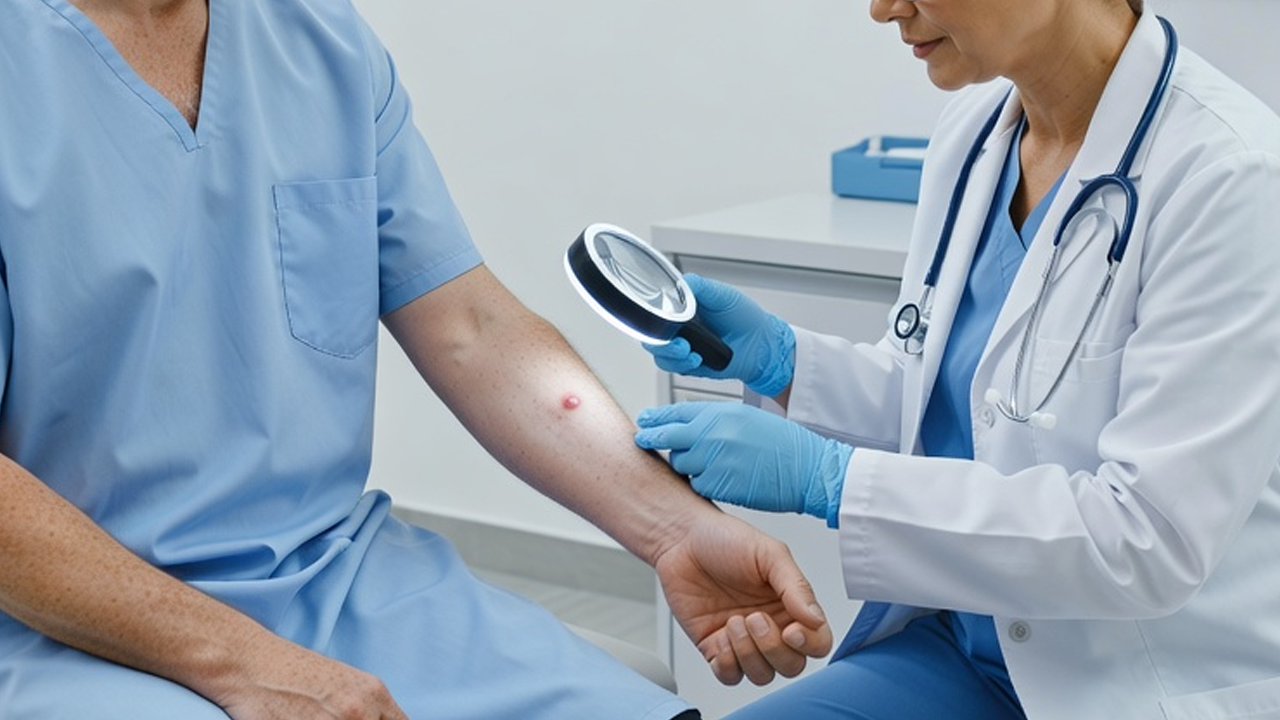
Trichoscopy (dermoscopic examination of the hair and scalp) is central to diagnosing FFA correctly. Under magnification, an experienced eye can identify the subtle but characteristic features of FFA: perifollicular scale, perifollicular erythema at the hairline, loss of follicular openings, and a “lonely hair” sign, where isolated hairs persist in an otherwise smooth, scarred zone.
Our lead clinician at ADC holds a PhD in dermatopreventive oncology and has a specific clinical focus on trichoscopy and dermoscopic diagnosis of hair loss — meaning FFA and other scarring alopecias are assessed with the depth of expertise these conditions demand, not treated as an afterthought to general dermatology.
In some cases, trichoscopy alone is sufficiently characteristic to confirm the diagnosis and begin treatment immediately. In others, a scalp biopsy is required, particularly where the picture is atypical, where diagnosis is uncertain, or where confirming the specific pattern and severity of inflammation will guide treatment intensity. We view this as a necessary step, not a last resort — an accurate diagnosis is the single most important factor in the eventual outcome.
Treatment: Stopping the Fire Before Rebuilding
Because FFA is driven by immune-mediated inflammation around the hair follicle, treatment is aimed first at halting that inflammatory process, and only then at supporting any recoverable regrowth in follicles that haven't yet been scarred.
At ADC, management is individualised but may include:
-
Hydroxychloroquine (Plaquenil) — an anti-inflammatory agent commonly used as a foundation treatment to reduce disease activity over the medium term
-
Oral dutasteride, and in some protocols dutasteride injections, targeting the hormonal component believed to contribute to FFA's progression, particularly at the hairline
-
Methotrexate, used in more active or resistant disease to provide stronger immunosuppressive control
-
Intralesional steroid injections directly into actively inflamed areas at the margin of hair loss, to calm follicle-level inflammation where it's happening
-
Topical and systemic anti-inflammatory strategies, tailored to disease activity and monitored closely over time
Regular trichoscopic review is used throughout treatment to track whether the disease is stabilising — checking for reduced redness, reduced scale, and a halt in hairline progression — rather than waiting for visible regrowth alone as a marker of success.
When Hair Loss Is Already Established

Because scarring is irreversible, some patients come to us with areas of established, permanent hair loss — eyebrows that will not return, or a hairline that has already receded into scarred skin. In these situations, our role shifts from purely medical to also supportive and cosmetic. This can include referral for medical hair pieces, scalp camouflage techniques, or wigs, alongside continued medical treatment to protect the hair that remains. Addressing the emotional impact of visible hair loss is as much a part of comprehensive care as the medical treatment itself.
Why Location and Access Matter
FFA doesn't wait for convenient appointment slots, and neither should its diagnosis. That's why ADC offers dedicated hair and scalp diagnostic clinics across Dublin, Limerick, and London, giving patients in Ireland and the UK direct access to specialist trichoscopy assessment without long waiting lists for routine dermatology.
Whether you're noticing early hairline changes, unexplained eyebrow thinning, or scalp symptoms that don't fit a simple explanation, the message is the same: don't wait to see if it settles on its own. Scarring alopecias like FFA progress silently, and every month of delay can mean follicles that are lost for good.
The Takeaway
Frontal fibrosing alopecia is not a cosmetic inconvenience — it's a progressive, irreversible condition that requires specialist recognition and prompt, targeted treatment. The earlier it's correctly identified through proper trichoscopic assessment (and biopsy where needed), the more hair follicles can be protected, and the better the long-term outcome.
If you're concerned about hairline changes, eyebrow loss, or unexplained scalp symptoms, book a dedicated hair and scalp diagnostic consultation at Adare Dermatology Clinics in Dublin, Limerick, or London. Early, accurate diagnosis is the single greatest factor in preserving your hair.


Leave a comment
This site is protected by hCaptcha and the hCaptcha Privacy Policy and Terms of Service apply.